

Guava trees can thrive in Nashville, TN, with proper care and attention to local climate conditions. By selecting the right varieties and implementing effective cultivation techniques, gardeners can enjoy a fruitful harvest in Middle Tennessee.
Best Guava Varieties for Nashville Climate
When selecting guava varieties for the unique climate of Nashville, TN, it’s essential to consider factors like temperature tolerance and growth habits. The right choices can lead to successful cultivation, enabling gardeners to enjoy the sweet, tropical flavors of guava even in the heart of Middle Tennessee. Here are some of the best varieties suited for this region.
Choosing the right guava varieties is crucial for success in Nashville’s climate. The most suitable types include the Tropical Pink, White Indian, and Strawberry Guava. These varieties are known for their adaptability and resilience to the region’s weather patterns.
Tropical Pink: Offers sweet, pink flesh and is disease-resistant.
White Indian: Produces large, white-fleshed fruits with a mild flavor.
Strawberry Guava: Known for its small size and strong aroma.
Consider local nurseries for availability and expert advice on selection.
Nashville Climate Impact on Guava Growth
Nashville’s climate plays a crucial role in the successful growth of guava trees in the region. With its unique blend of temperature, humidity, and seasonal variations, Middle Tennessee offers an environment that can support these tropical plants. Understanding how local weather patterns influence guava cultivation is essential for both novice and experienced gardeners in Nashville.
Nashville’s climate features hot summers and mild winters, which can impact guava growth. Understanding these conditions helps in planning for successful cultivation. Guava trees prefer temperatures between 70°F and 90°F during the growing season.
Frost Risk: Guava trees are sensitive to frost. Protect them with frost cloths or move potted varieties indoors during cold snaps.
Humidity Levels: Moderate humidity is beneficial. Consider misting trees during dry spells to maintain moisture levels.
Guava Growth Factors for Nashville Success
Understanding the specific growth factors for guava trees is essential for successful cultivation in Nashville, TN. This section explores the unique climate, soil conditions, and care practices that contribute to thriving guava trees in Middle Tennessee, ensuring that local gardeners can maximize their yields and enjoy the fruits of their labor.
| Growth Factor | Ideal Range | Impact on Growth |
|---|---|---|
| Temperature | 70°F – 90°F | Optimal fruit development |
| Soil pH | 6.0 – 7.0 | Promotes nutrient absorption |
| Watering Frequency | Weekly | Prevents root rot |
| Sunlight | Full sun | Ensures healthy foliage |
Soil Preparation for Thriving Guava Trees
Proper soil preparation is essential for cultivating healthy guava trees in Nashville, TN, where the climate presents unique challenges. Understanding the specific soil requirements and amendments needed can significantly enhance growth and fruit production. This section delves into effective strategies for optimizing soil conditions to ensure thriving guava trees in Middle Tennessee.
Soil preparation is essential for healthy guava trees. Start by testing the soil pH and nutrient levels. Amend the soil as needed to create an optimal growing environment.
Soil Composition: Use well-draining soil with organic matter for best results.
Nutrient Additives: Incorporate compost or aged manure to enhance fertility.
Recommended Products

Quick, at home results for Soil pH, Nitrogen, Phosphorous and Potash Innovative and inexpensive soil test kit features an easy-to-use capsule system and patented color comparators

KNOW BEFORE YOU GROW | Grow the healthiest, sustainable lawn and garden with the most accurate and easy to use professional soil test kit on the market

Kindly NOTE: This soil tester can not be applied to test pH value of any other liquid. If the soil is too dry the indicator will not move, and water it before testing.
Soil Testing for Guava Tree Success
Understanding the soil composition is crucial for cultivating healthy guava trees in Nashville, TN. Soil testing provides insights into nutrient levels, pH balance, and overall fertility, ensuring that the growing conditions are optimal for this tropical fruit tree. With the right data, gardeners can make informed decisions to enhance their guava tree success in Middle Tennessee.
Test Soil: Use a soil testing kit to determine pH and nutrient levels.
Amend Soil: Adjust pH if necessary by adding lime or sulfur.
Mix Organic Matter: Blend compost into the top 12 inches of soil.
Ensure Drainage: Create raised beds if drainage is a concern.
Guava Tree Watering and Fertilization Tips
Successfully growing guava trees in Nashville requires careful attention to their watering and fertilization needs. Understanding the right balance of moisture and nutrients is crucial for promoting healthy growth and fruit production in the unique climate of Middle Tennessee. This section provides essential tips to help you nurture your guava trees effectively.
Proper watering and fertilization are key to fruitful guava trees. Establish a consistent watering schedule and choose the right fertilizer to support growth.
Watering Schedule: Water deeply once a week during dry periods.
Fertilizer Type: Use a balanced fertilizer every 6-8 weeks during the growing season.
Recommended Products

Supports Flowering & Fruit Production – Helps encourage strong flowering, fruit set, and consistent guava development.

Package contains 4 Pounds organic fruit and citrus fertilizer grains and is produced to avoid wasteful runoff, mess, hazards and smells
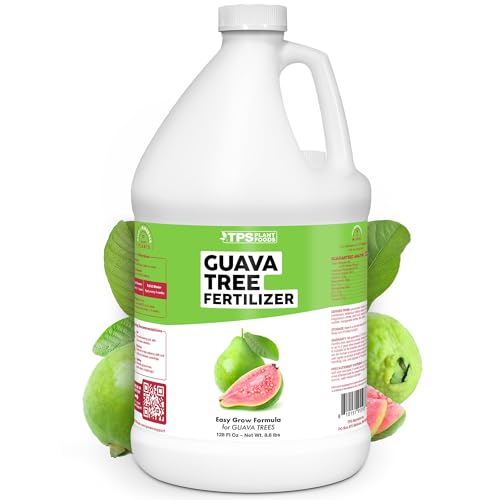
Supports Flowering & Fruit Production – Helps encourage strong flowering, fruit set, and consistent guava development.
Watering and Fertilizing Guidelines for Guava Trees
Proper watering and fertilizing are crucial for the successful growth of guava trees in Nashville, TN. Understanding the specific needs of these tropical plants can enhance their health and fruit production. This section outlines essential guidelines to ensure your guava trees thrive in the Middle Tennessee climate.
Monitor Soil Moisture: Check soil moisture before watering to avoid overwatering.
Apply Fertilizer: Follow package instructions for application rates.
Observe Growth: Adjust watering and fertilizing based on tree growth and health.
Guava Tree Pest and Disease Solutions
Guava trees can thrive in Nashville’s climate, but they are not immune to pests and diseases that can threaten their health. Understanding the common issues that affect these trees and implementing effective solutions is crucial for successful cultivation in Middle Tennessee. This section explores the most prevalent pests and diseases, along with practical strategies to manage them.
Pest and disease management is vital for maintaining healthy guava trees. Regular monitoring can help catch issues early.
Common Pests: Watch for aphids, spider mites, and whiteflies.
Diseases: Root rot and leaf spot can affect trees.
Recommended Products

Protect your oasis with Captain Jack’s Neem Max Ready-to-Use Spray; this multipurpose product acts as a 4-in-1 insecticide, fungicide, miticide and nematicide

Protect your oasis with Captain Jack’s Neem Max Ready-to-Use Spray; this multipurpose product acts as a 4-in-1 insecticide, fungicide, miticide and nematicide

Protect your oasis with 3 garden products in 1 from Captain Jack’s; Captain Jack’s Ready-to-Use Neem Oil spray for plants is a multi-purpose fungicide, insecticide and miticide for your lawn and garden
Pest Inspection Techniques for Guava Trees
Effective pest inspection techniques are crucial for maintaining the health of guava trees in Nashville, TN. Understanding the common pests that affect these trees and employing systematic methods for detection can help ensure a thriving crop. This section explores various strategies to identify and manage pest issues specific to the unique climate of Middle Tennessee.
Inspect Regularly: Check leaves and branches for signs of pests.
Use Organic Pesticides: Apply neem oil or insecticidal soap as needed.
Promote Beneficial Insects: Encourage ladybugs and lacewings to help control pest populations.
Optimal Guava Harvest Timing in Nashville
Understanding the optimal harvest timing for guava trees in Nashville is crucial for maximizing fruit quality and yield. This section explores the specific seasonal indicators and environmental factors that influence when to pick guavas, ensuring that growers in Middle Tennessee can achieve the best results from their trees.
Harvesting guava fruits at the right time ensures the best flavor and quality. Guavas are typically ready to harvest when they change color and yield slightly to pressure.
Harvest Timing: Monitor fruit color and texture for ripeness.
Harvest Method: Use pruning shears to cut fruits cleanly from the tree.
Harvesting Techniques for Guava Trees
Harvesting guava trees in Nashville requires specific techniques to ensure the fruit is picked at its peak ripeness. Understanding the right timing and methods not only enhances the flavor but also maximizes yield. This section explores effective strategies for harvesting guavas in the unique climate of Middle Tennessee.
Check Regularly: Inspect trees weekly during the harvest season.
Store Properly: Keep harvested fruits in a cool, dry place to extend shelf life.
Enjoy Fresh: Use fresh guavas in smoothies, desserts, or as snacks.
By following these guidelines, gardeners in Nashville can successfully cultivate guava trees and enjoy their delicious fruits.
