

Have you ever wondered why some fruit trees thrive while others struggle? One key factor is how far apart you plant them. If you plant them too close, they’ll compete for sunlight and nutrients, leading to poor growth and lower yields. But if you space them just right, you can create a flourishing garden full of delicious fruit.
Key Takeaways
- Proper Spacing is Essential: Adequate distance between fruit trees is crucial for their health and productivity, allowing them access to sunlight, nutrients, and air circulation.
- Maximize Sunlight Exposure: Each tree should receive at least six hours of direct sunlight daily to promote optimal growth and fruit development.
- Minimize Nutrient Competition: Spacing reduces competition among roots for essential nutrients, leading to healthier growth and improved yields.
- Enhance Airflow: Proper spacing improves air circulation, reducing humidity and the risk of fungal diseases, thereby supporting overall tree health.
- Facilitate Pest Management: Adequate distances make it easier to monitor and control pests and diseases, protecting the entire orchard from infestations.
- Adhere to Spacing Guidelines: Recommended spacing varies by tree type, ranging from 8-30 feet, and following these guidelines fosters stronger and more productive fruit trees.
Importance Of Spacing Fruit Trees
Proper spacing of fruit trees is crucial for their health and productivity. When you space trees correctly, each tree has enough access to sunlight, water, and nutrients. Here’s why spacing matters:
Recommended Products

FORMULATED FOR CITRUS AND FRUIT TREES: Use these citrus fertilizer spikes on apple, orange, lemon, lime, and avocado trees; this formula is also great for feeding palm trees

FORMULATED FOR CITRUS AND FRUIT TREES: Use these citrus fertilizer spikes on apple, orange, lemon, lime, and avocado trees; this formula is also great for feeding palm trees

Complete Teaching Toolkit: this family tree pocket chart includes 1 large 29 x 40 inch family tree pocket chart and 10 reusable whiteboard cards; It can be repeatedly written on, displayed, and erased without reprinting, saving teachers time and classroom supplies budget each week; Ideal for back to school classroom management and learning activities
Light Access
- Maximize Sunlight: Trees planted too closely compete for light. Ensure each tree receives at least six hours of direct sunlight each day. This promotes better growth and fruit development.
Nutrient Availability
- Minimize Competition: Close planting leads to roots overlapping and competing for nutrients. Proper spacing allows the roots to establish without interference, ensuring better nutrient absorption.
Air Circulation
- Enhance Airflow: Spacing trees adequately improves air circulation. Good airflow reduces the risk of fungal diseases and pests, promoting healthier trees.
Pest Management
- Reduce Infestation: Properly spaced trees make it easier to monitor for pests and diseases. You can control infestations effectively and minimize damage to crops.
Growth Potential
- Encourage Growth: Trees need space to grow to their full potential. Each variety has specific spacing requirements, often ranging from 10 to 30 feet apart. Adhering to these recommendations fosters strong, healthy trees.
Soil Quality
- Promote Soil Health: Trees spaced too closely deplete soil nutrients faster. Generous spacing helps maintain soil quality by allowing each tree to contribute to and improve soil health over time.
| Tree Type | Recommended Spacing (Feet) |
|---|---|
| Apple | 15-20 |
| Pear | 15-20 |
| Cherry | 20-30 |
| Peach | 15-20 |
| Plum | 15-20 |
By considering these factors, you create an environment where your fruit trees can flourish, leading to a bountiful harvest.
Factors To Consider When Spacing Fruit Trees
Proper spacing is essential for the growth and productivity of fruit trees. Several factors influence the ideal distance between each tree, ensuring they thrive in your garden.
Recommended Products
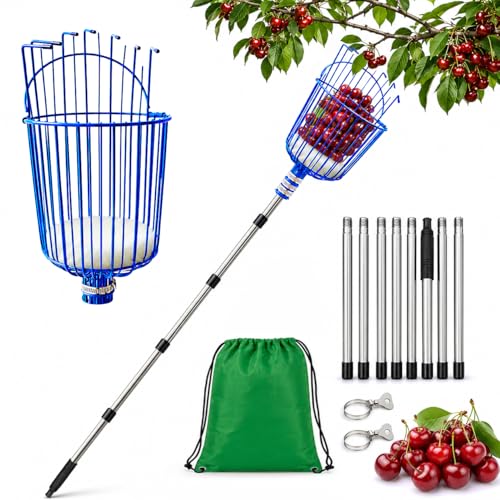
Narrow 0.47'' Grid Spacing Perfect for Small Fruits—Unlike common pickers with 1.2'' gaps, our fine mesh design prevents tiny fruits like cherries, plums, and apricots from slipping through. No more wasted fruit or frustration – harvest efficiently without losing your crop.

Quantity Size: equipped with 20 6 inch branch pullers, constructed from good quality galvanized metal, offering nice sturdiness compared to traditional plastic products, excellent anti-aging and breakage properties ensure it can withstand long term outdoor use, fully meeting the daily needs of orchards

This fruit picker features a telescoping fruit picker pole with basket that extends from 3.5FT to 6FT, allowing you to adjust the height for any tree fruit picker task. With its fruit picker pole with basket telescoping design, you can easily reach high branches without ladders, making it a versatile fruit picking pole for apples, mangoes, and oranges.
Tree Size And Growth Habit
Tree size and growth habit significantly affect spacing. Large varieties, like cherry trees, require 20-30 feet apart due to their broad canopies. Medium-sized trees, such as apple and pear, thrive with 15-20 feet between them. Dwarf or semi-dwarf varieties, ideal for smaller gardens, can be spaced closer, about 8-10 feet apart. Assess the mature size of your chosen trees to determine the right spacing.
Soil Quality And Drainage
Soil quality and drainage play a vital role in tree health. Well-draining soil promotes robust root systems, which enhances nutrient and water uptake. If your soil retains too much moisture, consider spacing trees further apart to encourage air circulation and reduce disease risk. Soil tests can identify nutrient levels and pH, helping you make informed decisions about tree placement.
Climate And Environmental Conditions
Climate and environmental conditions impact fruit tree spacing as well. In warmer regions, closer spacing might lead to increased competition for water. Trees in cooler climates benefit from some distance to enhance air circulation. Assess local conditions like sunlight exposure and wind patterns. Adjust spacing based on these factors to create an optimal growing environment.
Recommended Spacing Guidelines
Proper spacing is vital for the healthy growth of fruit trees. You must ensure each tree has enough room to thrive. Here are specific spacing recommendations to follow.
Standard Spacing For Common Fruit Trees
| Tree Type | Recommended Spacing (Feet) |
|---|---|
| Apple | 15-20 |
| Pear | 15-20 |
| Peach | 15-20 |
| Plum | 15-20 |
| Cherry | 20-30 |
For apple, pear, peach, and plum trees, a spacing of 15-20 feet allows adequate sunlight exposure and air circulation. Cherry trees require a wider span of 20-30 feet due to their larger size and growth habits.
Adjusting Spacing For Specific Varieties
| Tree Type | Spacing (Feet) |
|---|---|
| Dwarf Varieties | 8-10 |
| Standard Varieties | 15-20 |
| Large Varieties | 20-30 |
For dwarf fruit trees, you can space them 8-10 feet apart. Standard varieties like apples and pears need 15-20 feet, while larger varieties like cherries require 20-30 feet. Adjust spacing based on growth habits and potential tree size.
- Soil Quality: In poorly draining soil, increase spacing to improve air circulation.
- Climate Conditions: Warmer areas may benefit from additional spacing to reduce water competition. Conversely, cooler climates often benefit from closer spacing to maximize warmth.
- Tree Growth Patterns: Observe how the tree types grow; some spread wider than others.
Following these guidelines ensures your fruit trees receive the necessary light, nutrients, and air circulation for maximum productivity.
Benefits Of Proper Spacing
Proper spacing between fruit trees offers several significant advantages that enhance their growth and productivity.
Maximizes Sunlight Exposure
Adequate distance allows each tree to receive ample sunlight. Sunlight directly influences photosynthesis, essential for fruit development. For example, trees spaced 15-20 feet apart enjoy more light compared to those planted too closely.
Reduces Nutrient Competition
Spacing prevents roots from competing for nutrients at the soil level. When trees are too close together, they often struggle to access sufficient nourishment, leading to stunted growth. Well-spaced trees thrive on ample nutrients, resulting in healthier foliage and more abundant fruit.
Enhances Air Circulation
Proper spacing improves air flow around each tree. Increased circulation reduces humidity levels, lowering the risk of fungal diseases. Trees that receive adequate airflow stay healthier and produce better yields.
Simplifies Pest Management
With sufficient space, it’s easier to monitor and manage pests. You can identify and treat affected trees without impacting others. Spacing also helps prevent the spread of diseases between trees, protecting your entire orchard.
Promotes Soil Health
Spacing contributes to overall soil vitality. It allows better rain penetration and encourages beneficial microorganisms. Healthy soil supports robust root systems, which helps trees draw in more nutrients and water.
Supports Growth Potential
When trees have room to grow, they reach their full potential. Well-designed spacing optimizes growth patterns, allowing trees to expand in all directions. This results in a stronger structure and increased fruit production over time.
By following proper spacing guidelines, you create an ideal environment for your fruit trees to flourish. This leads to bountiful harvests and a healthier orchard overall.
Conclusion
Getting the spacing right for your fruit trees is essential for their health and productivity. By giving each tree enough room to grow you’re setting the stage for a thriving orchard. Remember to consider the size of the trees and the soil conditions to ensure they have what they need to flourish.
With proper spacing you’ll not only enjoy healthier trees but also a more bountiful harvest. So take the time to plan your layout and watch your garden thrive. Happy planting!
Frequently Asked Questions
What is the importance of spacing when planting fruit trees?
Proper spacing ensures that each fruit tree receives enough sunlight, water, and nutrients. Trees planted too closely compete for these essential resources, which can negatively impact their growth and fruit production. Adequate space promotes healthy development and maximizes harvest yields.
How far apart should I plant different types of fruit trees?
Plant apple, pear, peach, and plum trees 15-20 feet apart. Cherry trees need more space, around 20-30 feet. For dwarf varieties, spacing can be closer, usually around 8-10 feet, to allow for their smaller size.
What factors influence the ideal spacing for fruit trees?
Key factors include tree size and growth habit, soil quality and drainage, and climate conditions. Larger trees like cherries require more space, while well-draining soil promotes healthy roots, and warmer climates may necessitate wider spacing to reduce water competition.
How does proper spacing help with pest management?
Adequate spacing enhances air circulation, which lowers humidity levels and reduces the risk of diseases. This creates a less favorable environment for pests, making it easier for gardeners to manage infestations and maintain tree health.
Can poor soil drainage affect tree spacing?
Yes, poorly draining soil can necessitate wider spacing to improve air circulation around the roots. Trees in such conditions may compete more intensely for resources, so spacing them further apart helps support their health and growth in challenging soil environments.
