

Have you ever wondered if you need two trees to enjoy fresh fruit from your garden? It’s a common question for anyone looking to grow their own delicious produce. Picture this: you plant a single fruit tree, tend to it lovingly, and then wait for the sweet rewards. But what if you find out that you might need a partner for that tree?
Key Takeaways
- Pollination Needs: Fruit trees vary in their pollination requirements; some, like apples and pears, need cross-pollination from a second tree, while others, such as peaches and cherries, can self-pollinate.
- Planting Strategy: For cross-pollinating trees, planting at least two compatible varieties can significantly enhance fruit yield and quality.
- Tree Spacing: Proper spacing between trees (about 15 to 20 feet) allows for good air circulation and sunlight exposure, which are crucial for optimal growth.
- Environmental Factors: Understanding local climate, soil quality, and sunlight availability is essential for selecting the right fruit trees and maximizing production.
- Single Tree Viability: While many self-pollinating trees can produce fruit alone, having an additional tree may improve the size and quality of the harvest.
- Timing for Planting: Early spring or fall are ideal times for planting fruit trees, ensuring the best conditions for growth and fruit production.
Understanding Fruit Trees
Fruit trees can vary in their pollination needs. Some trees, like apples and pears, require cross-pollination. They benefit from having a second tree nearby. This process increases the chances of fruit set, resulting in a more bountiful harvest.
Other trees, such as peaches and cherries, often self-pollinate. You can still grow fruit with just one tree. However, planting a second tree might increase yield and improve fruit quality.
Common Fruit Trees and Their Pollination Needs
| Fruit Tree | Pollination Type | Notes |
|---|---|---|
| Apples | Cross-pollination | Plant at least two varieties. |
| Pears | Cross-pollination | Different cultivars enhance yield. |
| Cherries | Self-pollinating / Cross-pollinating | Sweet cherries often need another tree for better fruiting. |
| Peaches | Self-pollinating | Single tree can still produce fruit. |
| Plums | Cross-pollination | Neighboring tree improves production. |
Tips for Successful Fruit Tree Planting
- Choose Compatible Varieties: Select trees that bloom at the same time for effective cross-pollination.
- Plant in Sunlight: Place trees in areas with full sun for optimal growth and fruiting.
- Consider Space: Allow enough space between trees for air circulation and growth.
- Check Local Conditions: Familiarize yourself with your region’s climate and soil types to select the best fruit trees.
- Can I grow fruit with one tree? Yes, but some trees benefit from having a companion.
- How far apart should trees be? Typically, 15 to 20 feet ensures proper growth and access to sunlight.
- When is the best time to plant? Early spring or fall usually offers the best conditions for planting fruit trees.
Understanding the specific needs of your fruit trees helps maximize production. By considering factors like pollination and spacing, you can create an effective garden space that thrives.
The Basics of Pollination
Pollination plays a crucial role in fruit production. Understanding the differences between self-pollinating and cross-pollinating trees helps determine how many trees you need for optimal yields.
Recommended Products

🌳 3-Pack Fruit Tree Bundle Includes live apple, blueberry, blackberry trees—perfectly paired for a diverse and productive backyard orchard.

These plants are ready to be planted directly in the ground on arrival and should not be planted in a container. All pictures are of fully grown plants. Deciduous plants do not have leaves in the winter.
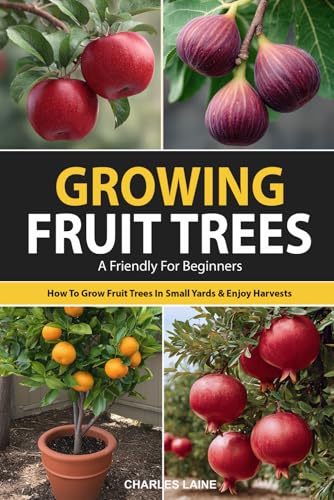
Self-Pollinating Trees
Self-pollinating trees produce fruit with their own pollen. You can plant just one tree and still get fruit. Common examples include:
- Peaches: These sweet fruits thrive with a single tree. Still, additional trees can enhance fruit size.
- Cherries: Many cherry varieties can self-pollinate, but yield improves with an extra tree nearby.
- Plums: Some plums, like Methley, don’t require companions for fruiting.
While a single tree works fine, you might choose to plant more if you want larger harvests.
Cross-Pollinating Trees
Cross-pollinating trees rely on pollen from another tree to produce fruit. Having at least two trees is essential for strong yields. Key examples include:
- Apples: Most apple varieties won’t bear fruit without a partner tree for cross-pollination.
- Pears: Similar to apples, they need another compatible pear tree to thrive.
- Blueberries: Planting at least two different varieties boosts fruit production significantly.
Ensure you select compatible varieties when planting your cross-pollinating trees. This strategy maximizes your harvest and overall plant health.
By knowing how these trees pollinate, you can plan your garden for the best fruit outcomes.
Do You Need 2 Trees to Produce Fruit?
Understanding whether you need two trees for fruit production is crucial. Some trees thrive alone while others benefit from company. Knowing which trees fall into each category makes a difference in your garden.
Recommended Products

Complete Orchard Starter Bundle: Receive 8 dormant bare root fruit trees with 2 each of Apple,Blueberry, Raspberry, Blackberry. A great way to start or expand a backyard orchard with a variety of delicious fruits.

Harvest Season: Ripens through September and October, producing large, dark red fruit with sweet and juicy taste suitable for dessert cooking and fresh eating

Telescopic Design for More Tree Species: Our adjustable branch support pole extends from 41.3 inches to 72.8 inches, offering flexible height adjustment to protect various trees and shrubs. It effectively prevents branch breakage caused by heavy fruit, snow, or strong winds. Ideal for orchards, backyards, and gardens, this support helps safeguard your harvest while being versatile enough for fruit trees, young seedlings, and ornamental plants
Benefits of Having Two Trees
Having two trees can significantly boost your fruit production. Here are the primary benefits:
- Improved Pollination: Many fruit trees, such as apples and pears, require cross-pollination. A second tree can enhance fruit set, which typically leads to larger and more abundant harvests.
- Increased Fruit Quality: Planting compatible varieties can result in better quality fruit. When trees cross-pollinate, the genetic diversity can lead to tastier, more robust fruit.
- Higher Yield: Two trees often produce more fruit overall. This is especially true for trees needing a pollinator. The additional tree provides the necessary pollen for optimal growth.
- Extended Harvest Season: With two different varieties, you may stagger the harvest season. This means a longer period of enjoying fresh fruit from your garden.
Exceptions to the Rule
Not all fruit trees require two for successful fruit production. Here are some exceptions:
- Self-Pollinating Trees: Trees like peaches, cherries, and certain plums can produce fruit on their own. You don’t need a second tree, but having one can still improve yield and size.
- Hybrid Varieties: Some newer fruit tree varieties are engineered to thrive independently. These trees minimize the dependency on other trees for pollination.
- Geographical Factors: In areas with limited pollen sources or adverse weather conditions, single trees sometimes fare just fine. Local climate impacts how trees pollinate, so consider your environment.
Understanding these factors helps in making informed decisions about planting fruit trees in your garden.
Factors Influencing Fruit Production
Several factors impact how well fruit trees produce fruit. Understanding these factors can help you optimize your gardening efforts.
Recommended Products

Product Quantity: 180+ premium bonsai fruit seeds across 5 varieties; Individual packs contain 40+ apple, 40+ lemon, 40+ orange, 20+ blueberry, and 40+ cherry seeds; Perfect for starting a diverse miniature orchard

Product Quantity: Five+ dwarf peach tree seeds per packet; Premium selection for optimal viability; Perfect for starting your own backyard orchard

Each offer includes one plant grown in a 4 inch pot
Tree Variety
Different tree varieties have unique pollination needs. Self-pollinating trees, like peaches and cherries, produce fruit with just one tree. You’ll find that having another tree may improve the size and quality of your harvest. For cross-pollinating trees, such as apples and pears, you’ll need at least two trees nearby for proper pollination. Choosing compatible varieties is crucial. For instance, if you plant two apple trees, select varieties that bloom at the same time to increase fruit set.
Environmental Conditions
Environmental factors play a vital role in fruit production. Sunlight, soil quality, and climate impact a tree’s ability to bear fruit. Ensure your trees receive at least six hours of direct sunlight daily. Quality soil, which is rich and well-draining, supports healthy root development. Additionally, the local climate matters. Some trees thrive in warmer regions, while others prefer cooler temperatures. Understanding your local environment helps you select the right trees for optimal fruit production.
Conclusion
Growing fruit trees can be a rewarding experience whether you choose one or two. If you’re planting self-pollinating varieties like peaches or cherries you might get by with just one tree. But remember that having a second tree can enhance the size and quality of your harvest.
For cross-pollinating trees such as apples and pears having two is essential for a fruitful yield. By understanding the specific needs of your trees and considering environmental factors you can create a thriving garden. So go ahead and plant that extra tree if you can. Your future self will thank you when you enjoy a bountiful harvest!
Frequently Asked Questions
Do I need two trees to grow fruit in my garden?
You don’t always need two trees to grow fruit. Self-pollinating trees, like peaches and cherries, can produce fruit with just one tree. However, having a second tree can increase yield and improve fruit quality.
What are cross-pollinating trees?
Cross-pollinating trees, such as apples and pears, require at least two trees for optimal fruit production. These trees benefit from the pollen of a compatible variety to set more fruit and enhance overall yield.
Can I plant different varieties of the same fruit tree?
Yes, you can plant different varieties of the same fruit tree. For cross-pollinating trees, ensure the varieties bloom at the same time for successful pollination and increased fruit production.
What should I consider when planting fruit trees?
When planting fruit trees, consider compatibility of varieties, adequate sunlight, soil quality, and spacing. Proper attention to these factors will help ensure healthy growth and maximize fruit yield.
How does pollination affect fruit production?
Pollination plays a crucial role in fruit production. Self-pollinating trees can produce fruit alone, while cross-pollinating trees require pollen from another tree for optimal fruit set, leading to larger and better-quality harvests.
