


I tend to prefer one color projects for my crochet blankets.
It makes the whole thing feel less busy and more relaxing to make.
These ideas stick to basic patterns that highlight the yarn itself.
I have collected 19 of them that fit a minimalist approach.
They are straightforward and do not take forever to finish.
Chunky Textured One-Color Throw
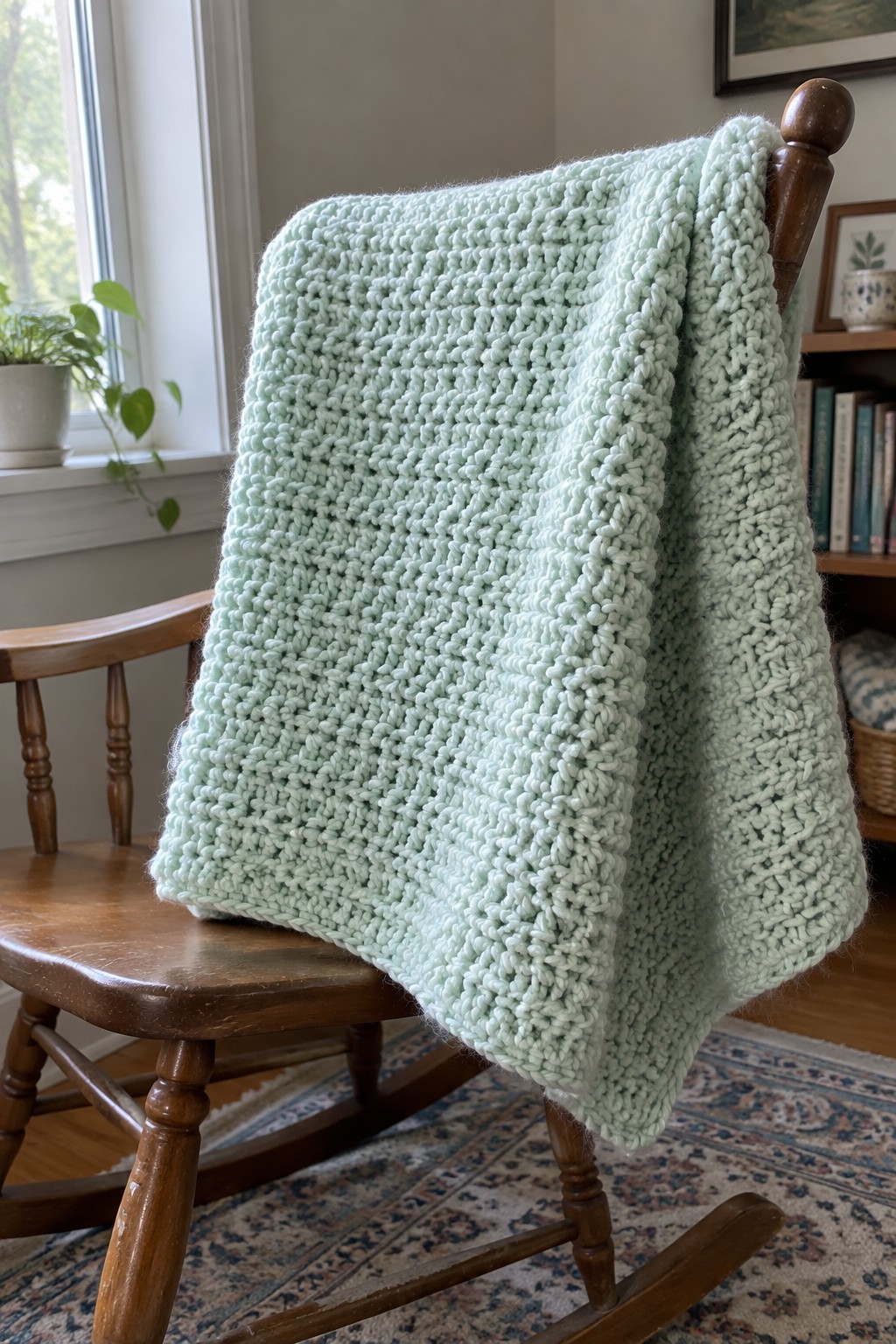
A blanket worked in a single color with a raised, bumpy stitch pattern creates surface interest through texture alone. The solid mint shade keeps the overall look simple while the consistent bumps add depth without any colorwork. This style suits a medium throw meant for draping over a chair, couch, or the end of a bed.
What makes this idea useful is how the one-color approach shows off the stitch texture clearly and avoids any yarn management issues. You can easily change the size by altering the starting chain to fit a baby blanket, lap throw, or larger bed cover. The structure makes this a smart option for practicing a repetitive textured stitch in a project that stays useful even if the dimensions shift slightly during work.
Bobble Stitch Textured Throw
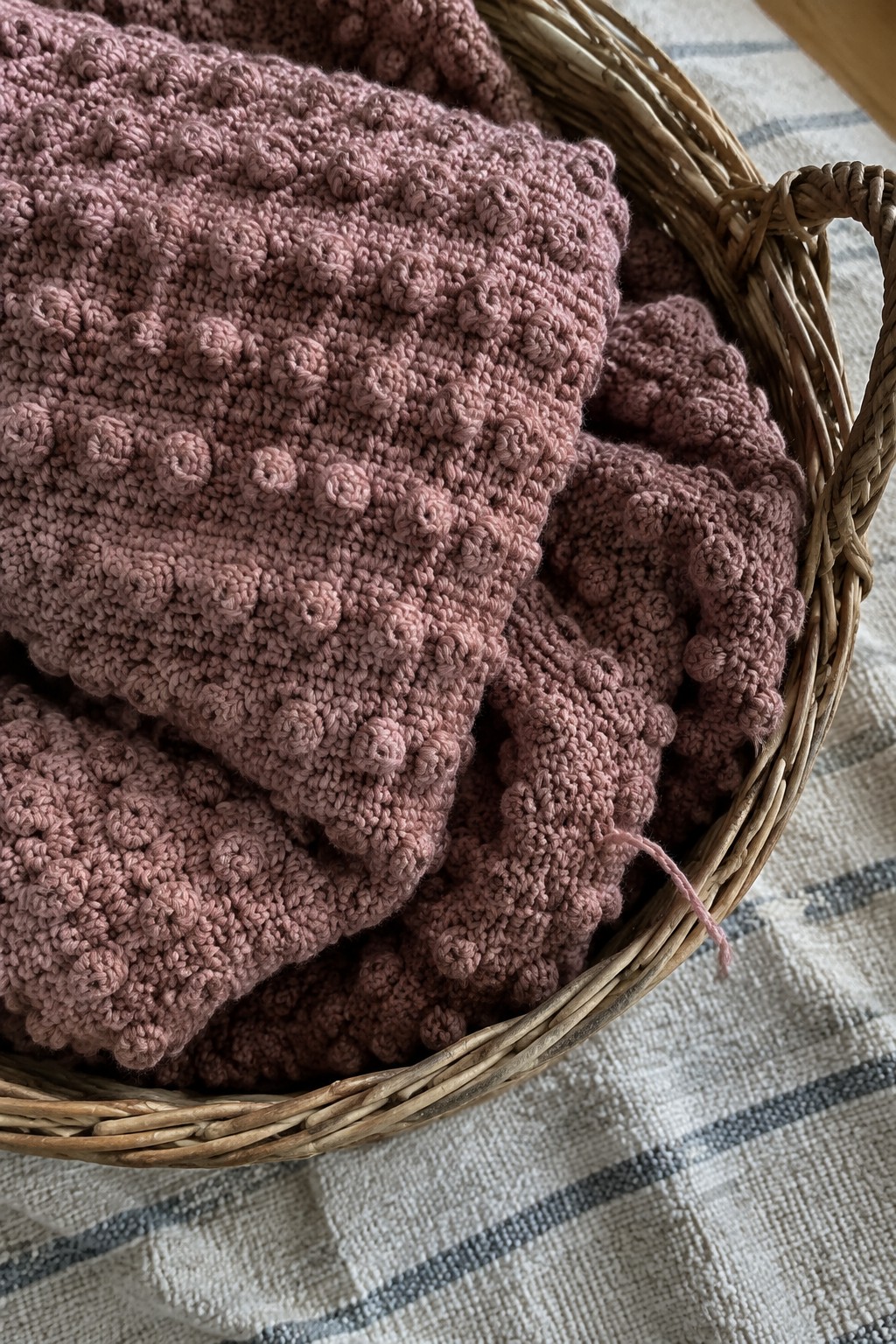
A blanket worked in an all-over bobble pattern creates raised circular dots that cover the surface in a single solid color. The design relies on the stitch texture alone for visual interest, with the bobbles arranged in offset rows that form a dotted effect. This approach suits minimalist throws, baby blankets, or sofa covers where one color keeps the look simple while the raised stitches add depth.
What makes this idea useful is how the bobble repeat works at any size without changes to the pattern. You can start with a smaller swatch to test gauge then scale the width and length for a crib blanket or larger throw. The solid color also makes it simple to match bedding or seating, and the texture shows up clearly in photos for pattern sharing.
Chevron Lace Baby Blanket

A one-color chevron blanket builds its pattern through alternating sections of solid rows and openwork that form repeating V shapes across the fabric. The design works well for baby blankets or small throws since the open sections add texture and keep the piece light. A scalloped lower edge finishes the shape using the same stitch pattern without extra borders.
What makes this idea useful is how the repeat count lets you change the width easily for a crib, stroller, or lap blanket. You can swap the yarn for any neutral or pastel shade to match a room without altering the pattern. The strong geometric lines also photograph clearly for project sharing.
Solid Color Blanket with Scalloped Border

A one-color crochet blanket built around a dense textured stitch and finished with a scalloped edge keeps the design simple while adding visual interest through shape and surface detail. This style works well for a baby blanket or small throw where the focus stays on the even stitch work and the clean wavy border. The single hue lets the texture and edge stand out without competing patterns or color changes.
What makes this idea useful is how the scalloped border gives a finished look without extra trim or complicated finishing. You can adjust the blanket size by adding or removing rows before the border round, which makes it easy to turn into a lapghan or larger sofa throw. The solid color also photographs well for sharing, and the same border can be added to other simple blankets you already have in progress.
Basketweave Grid Blanket
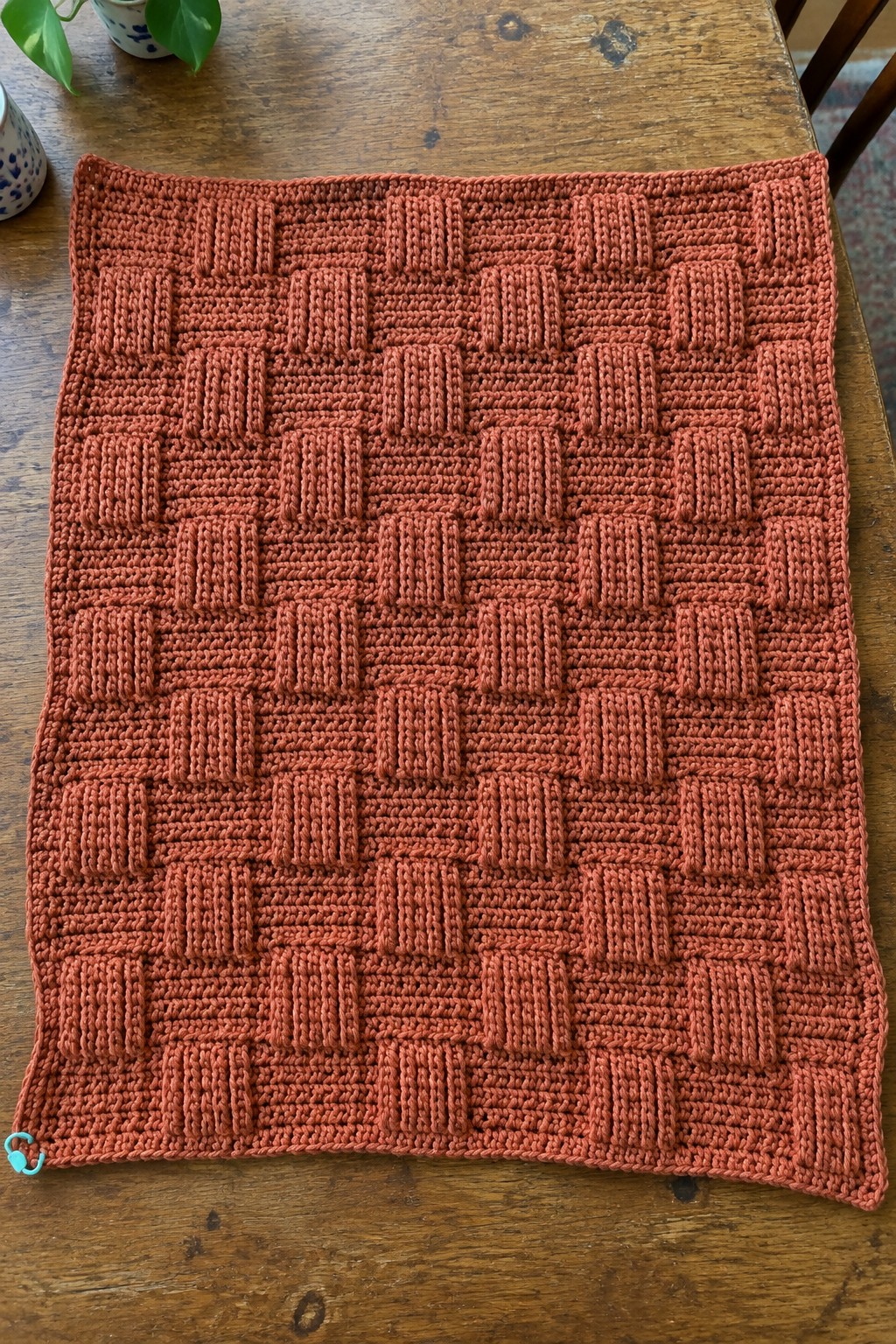
A simple one-color blanket worked in a basketweave pattern creates a grid of raised rectangular blocks that alternate in direction. The texture comes from columns of front and back post stitches that form the woven look without any color changes or complex shaping. This style suits a lap blanket, chair throw, or small couch cover where the focus stays on the surface pattern.
What makes this idea useful is how the block repeats make it easy to resize by adding or removing sections. You can change the finished dimensions for a baby blanket or a larger throw just by adjusting the starting chain and row count. The single color keeps the project beginner-friendly while the raised texture still gives it visual weight for minimalist rooms.
Wavy Ripple One-Color Throw
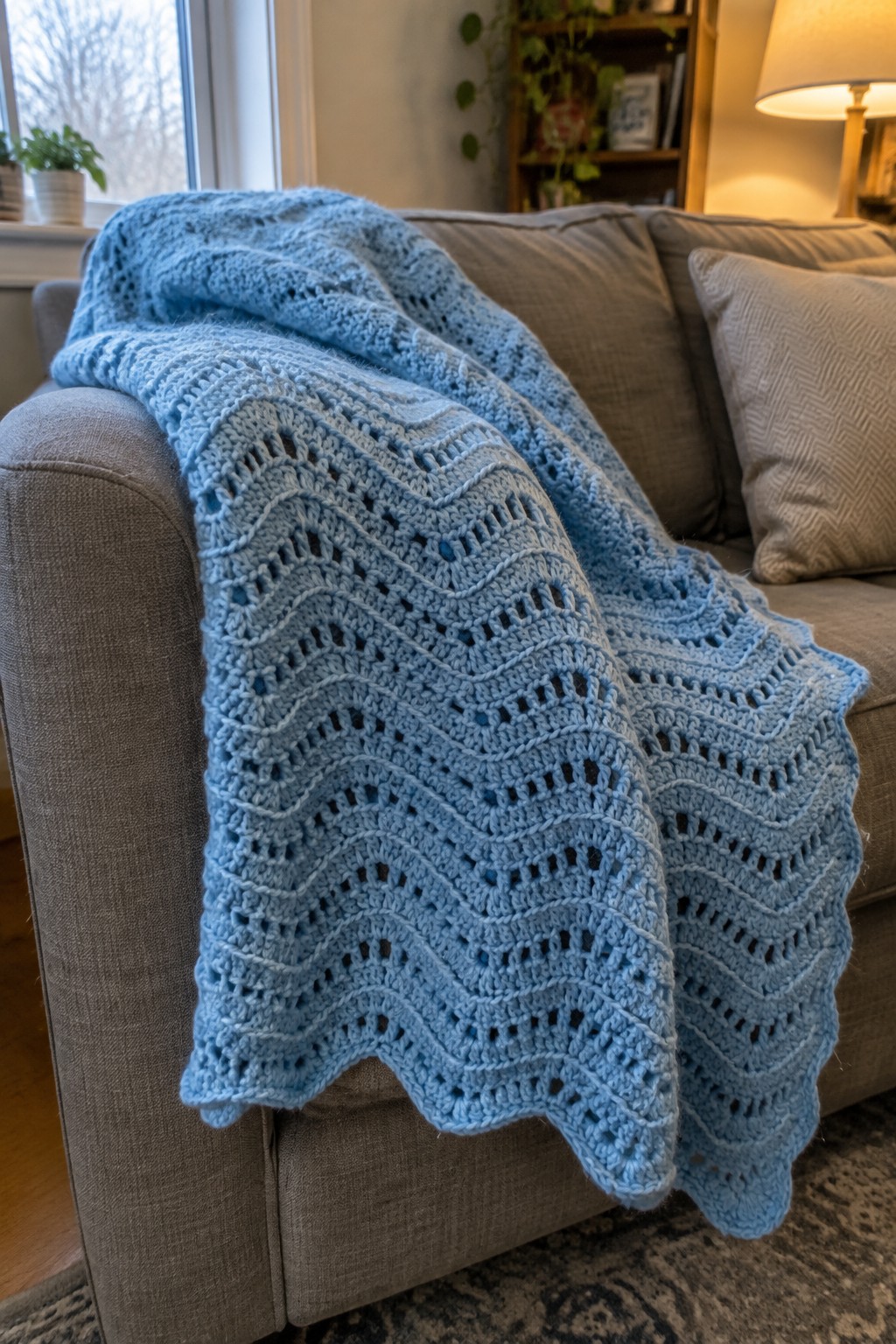
A ripple crochet blanket uses repeating chevron waves worked in a single color to create visual interest through texture and openwork sections. The pattern alternates solid rows with rows of spaced stitches that form a light, airy fabric. This style suits a sofa throw because the scalloped edges follow the wave shape and give the piece movement without extra colors or borders.
What makes this idea useful is how the ripple structure works at different sizes. You can start with fewer repeats for a lap blanket or add length for a bed cover while keeping the same stitch pattern. The open sections help the blanket drape cleanly over furniture instead of sitting stiff. For a minimalist look, stick with one neutral or soft color so the wave lines stay the main detail.
Central Circle to Square Blanket

This blanket starts with a small circular motif in the center and builds outward through successive rounds that naturally square off the shape. It works as a full-size throw or lap blanket and suits minimalist decor because the single color lets the stitch texture and geometric growth stand out clearly. The project stays in the blanket category and can be made in any size by adding or stopping rounds.
What makes this idea useful is how easily the size can be adjusted. You can finish it smaller for a baby blanket or keep adding rounds until it fits a larger bed. The one-color format removes the need to manage multiple yarns while the central motif still gives the piece structure. For gifts this works well because it looks finished at any stage and requires no color planning.
Lacy Fan Shell Blanket

A one-color blanket built from repeating fan or shell motifs creates an open, lacy texture that relies on stitch pattern rather than color changes for interest. The design forms a natural scalloped edge through the motif repeats, so no separate border is needed. This approach fits a small throw or baby blanket where the single hue keeps the overall look clean and simple.
What makes this idea useful is how the repeat count can be changed to adjust width and length without altering the pattern. A project like this works especially well as a lightweight layer over a chair or at the end of a bed in a minimalist room. The open structure also makes it easy to swap in a different yarn weight if a heavier or lighter version is needed.
Star-Shaped One-Color Crochet Blanket
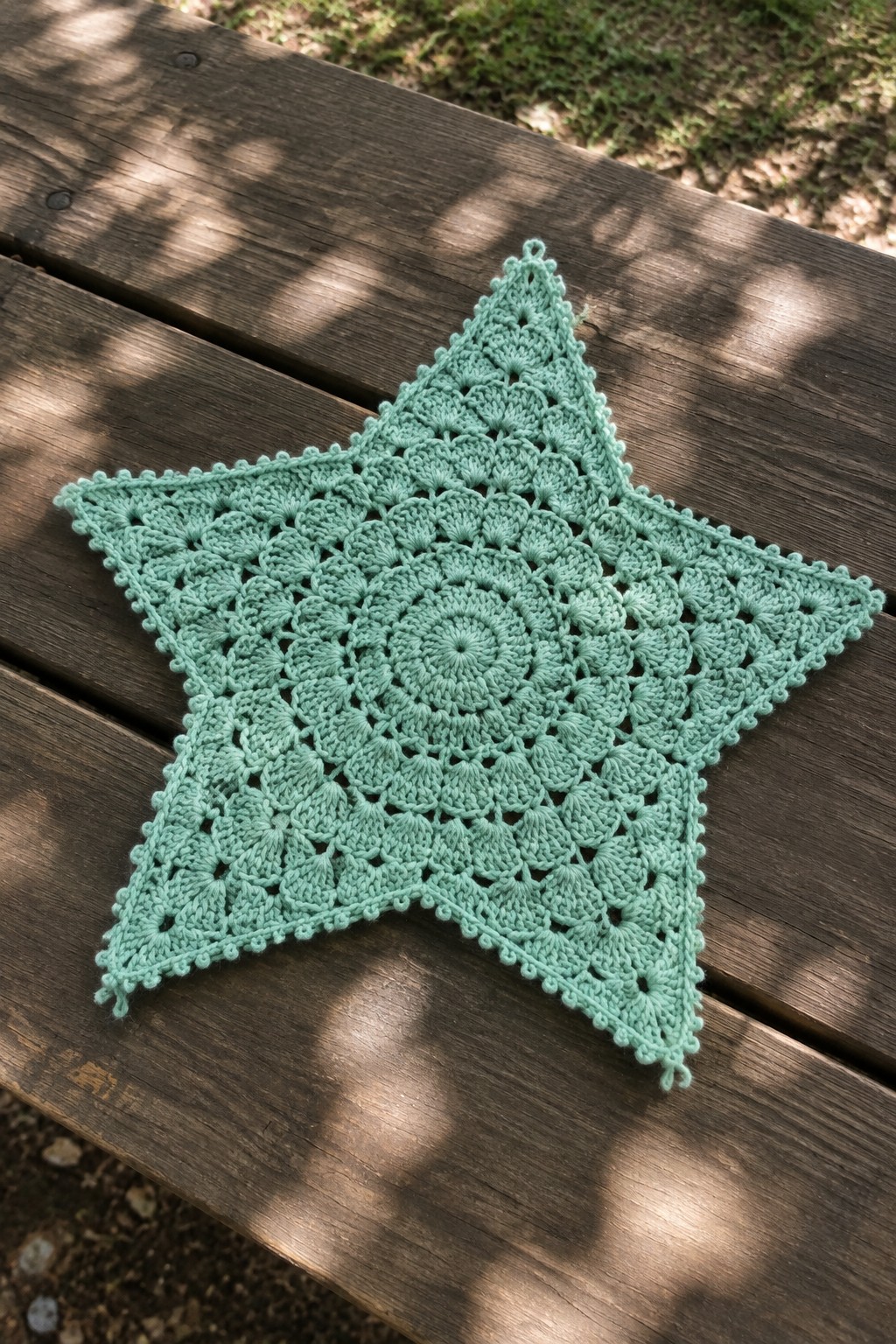
A star-shaped crochet blanket builds from a small center circle through successive rounds that create five pointed tips. The openwork texture between the points gives the piece its structure while the single solid color keeps the focus on the overall shape. This type of motif suits a small throw, baby blanket, or lap cover and works as a standalone decor item rather than part of a larger pieced blanket.
What makes this idea useful is the way the finished shape needs no edging or color changes to look complete. You can scale it up by continuing the round pattern or scale it down for a pillow top or table mat. The structure makes this a smart option for minimalist rooms where a clear geometric outline stands out against simple furniture. For gifts, a design like this travels well because it stays flat and shows the stitch work clearly.
Open Grid Mesh Blanket

A one-color blanket built from a repeating open square pattern creates an airy layer that drapes softly without bulk. The design alternates solid blocks with empty spaces to form a consistent grid that lets light pass through while still offering coverage. This approach suits minimalist rooms because the single shade lets the stitch structure stand out on its own. It works well as a sofa throw or light bed covering where you want texture without heavy fabric.
What makes this idea useful is how simple it is to change the finished size by adding or subtracting pattern repeats. The open construction makes it a smart choice for spring or summer use when a full blanket feels too warm. You can easily swap the color to match different rooms or turn the same grid into smaller pieces like a baby blanket or table cover. The clean lines also photograph clearly for pattern notes or project sharing.
Open Lace Baby Blanket in One Color

A baby blanket worked in a repeating openwork pattern gives a light, airy cover that suits a bassinet or small crib. The single neutral yarn keeps the focus on the texture, with the motifs forming a consistent grid that drapes evenly without bulk. This type of project fits the giftable or nursery decor category because the open structure works for layering over sheets or using on its own during warmer months.
What makes this idea useful is how simple it is to change the finished size by adjusting the number of repeats to match a bassinet, stroller, or toddler bed. The one-color approach makes it easy to match existing nursery items or keep the look minimalist. For gifts, a design like this photographs clearly on Pinterest because the pattern shows detail without needing multiple shades.
Chunky Solid Color Throw Blanket
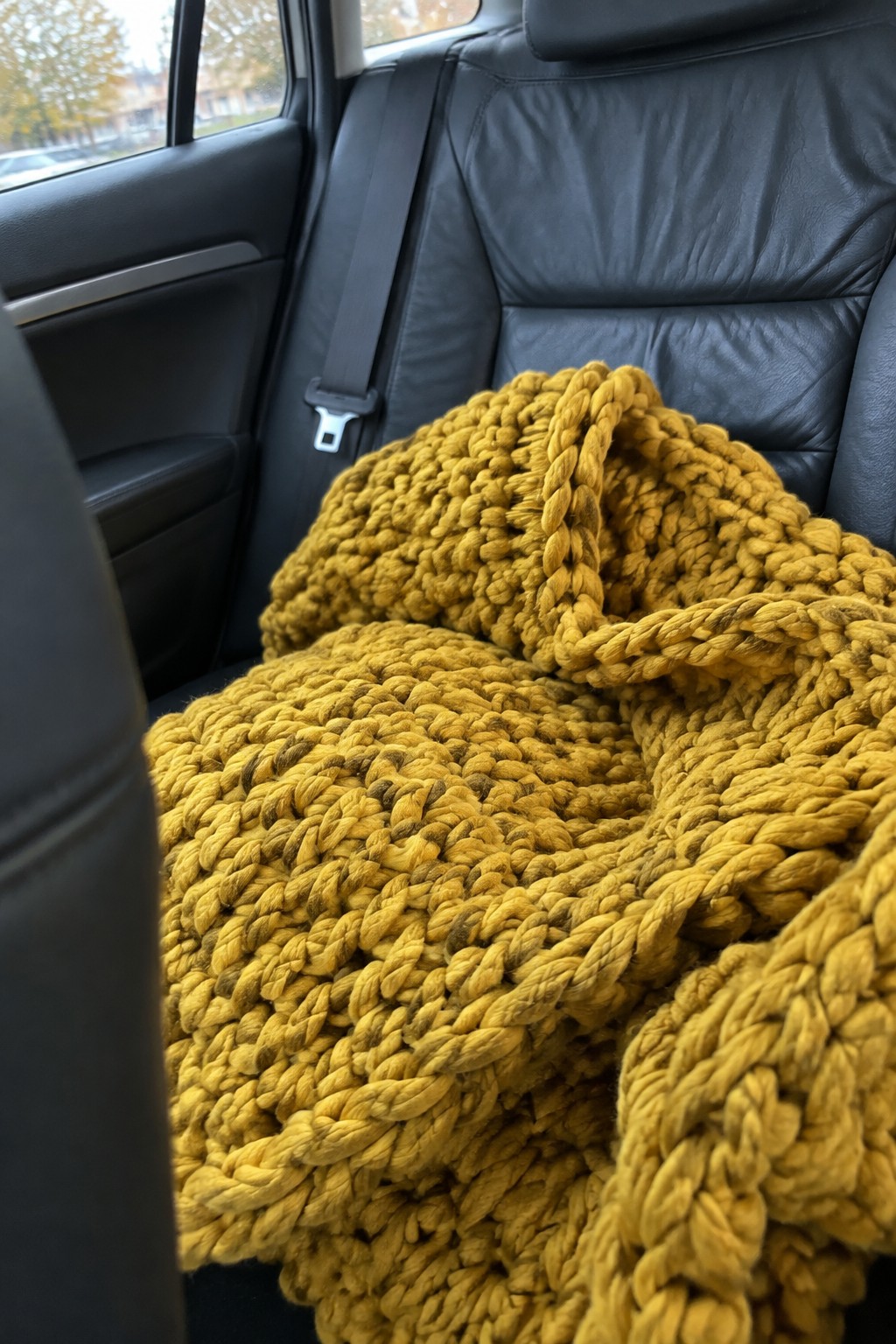
A blanket made in super bulky yarn with large, simple stitches produces a heavy textured fabric that looks substantial without any color changes or complex patterning. This approach works well for a lap throw or sofa blanket where the focus stays on the material and scale rather than added details. The single color keeps the design clean and lets the thickness of the yarn do the visual work.
What makes this idea useful is how fast it finishes with thick yarn, so you can make one in an afternoon or weekend. You can change the starting width to fit a twin bed, a couch, or even a baby size without altering the stitch pattern. The solid color also makes it easy to match existing rooms or gift it without worrying about dye lots running out.
All-Over Bobble Blanket in One Color
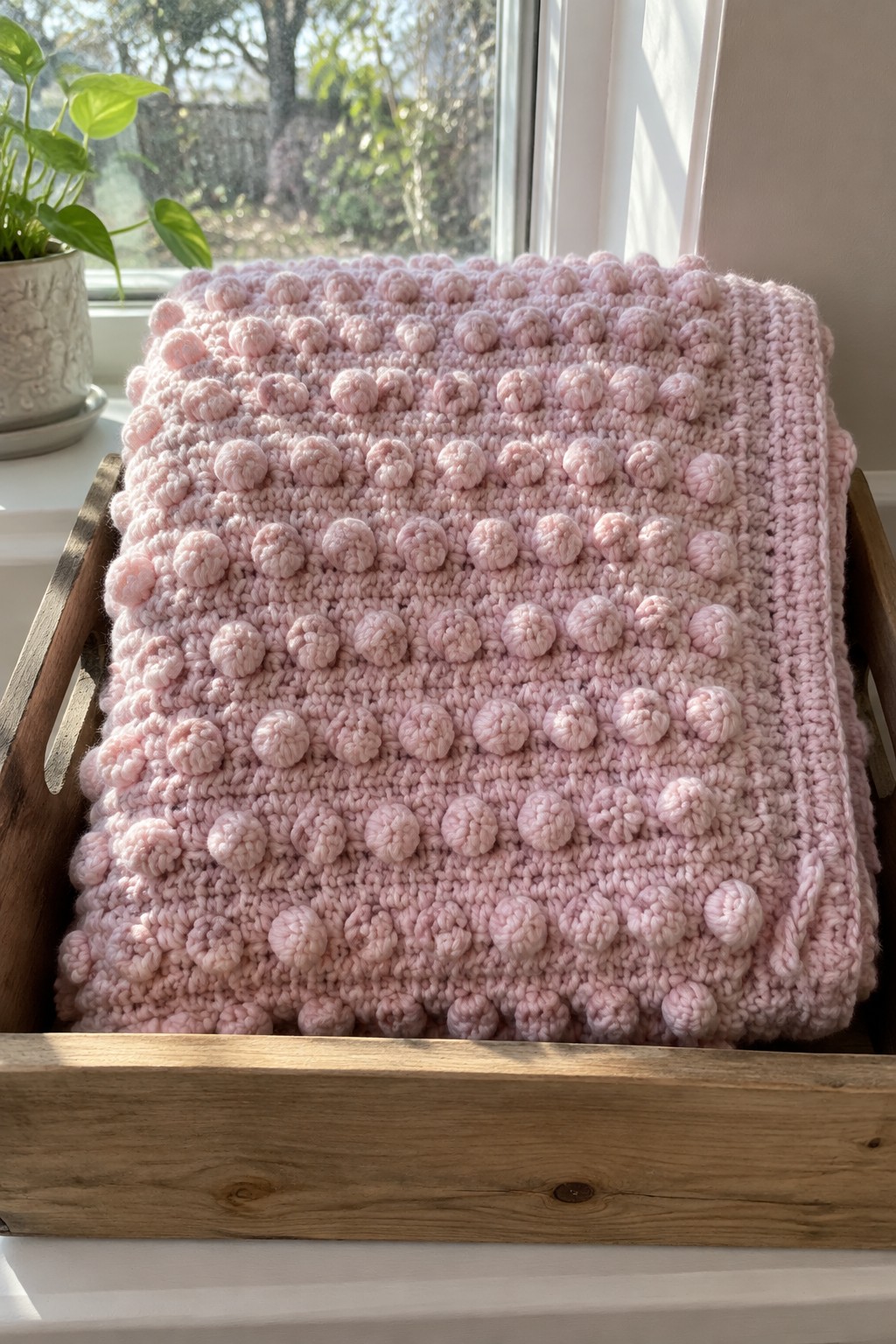
A bobble stitch blanket worked in a single color relies on the raised texture to create pattern and depth. The even rows of bobbles cover the surface completely, turning a basic rectangle into a finished piece without extra borders or color changes. This approach suits baby blankets or small throws because the texture adds interest while the one-color design stays simple to make and match with existing decor.
What makes this idea useful is how quickly the size can change by adjusting the starting chain length. The same stitch pattern works for a crib blanket, a stroller size, or a larger lap throw, and the solid color makes it easy to match different rooms or gift recipients. Projects like this stand out on Pinterest because the texture shows clearly in photos even without fancy styling.
Grid Texture One-Color Throw
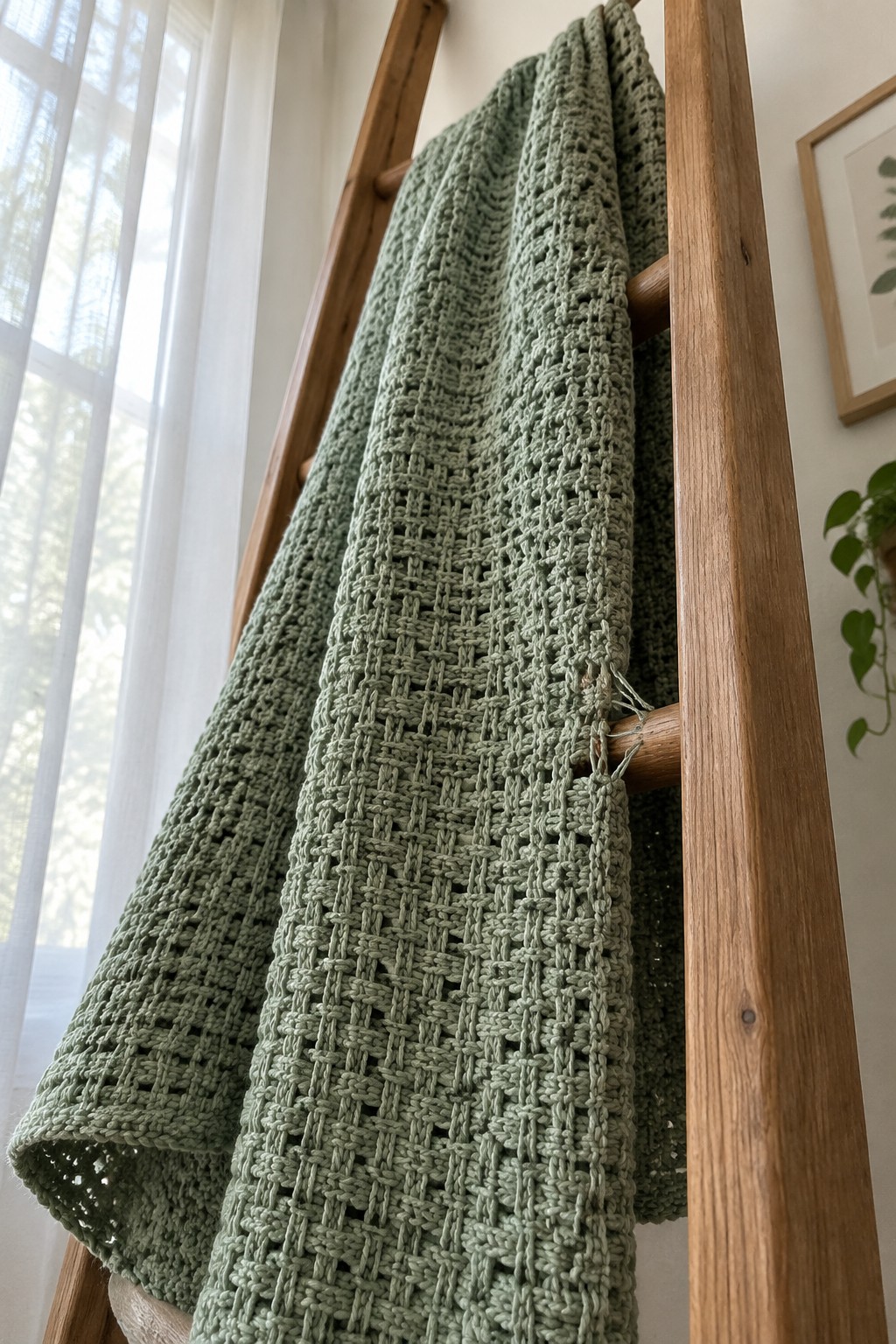
A blanket built from repeating rectangular blocks forms a steady grid pattern across the fabric. This approach works as a full-size throw or bed cover in a minimalist setting where one color keeps the focus on the stitch structure. The mix of solid sections and open spaces gives the blanket enough drape to hang well without extra edging details.
What makes this idea useful is how the repeat count controls both width and length so you can match a sofa or twin bed without changing the pattern. The single color makes yarn planning simple and lets the texture read clearly in photos for sharing. Scale the same grid down to a smaller lap size if you want a quicker project or a gift that still shows the woven effect.
Openwork Diamond Lace Lap Blanket
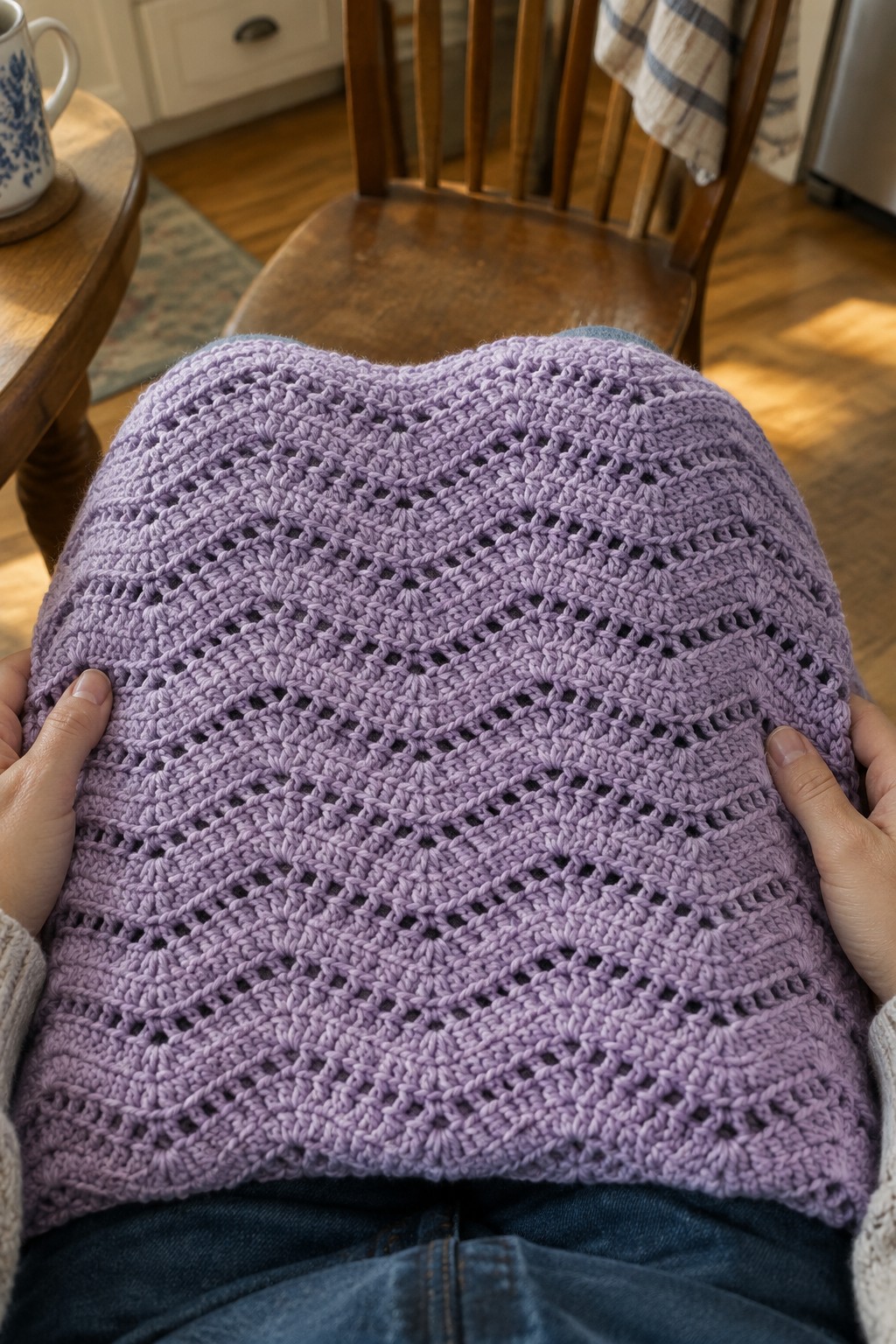
A rectangular lap blanket worked in one color uses a repeating openwork stitch that creates rows of connected diamond shapes across the fabric. The design keeps the piece lightweight while still providing coverage, which makes it practical for use over the legs while sitting. This type of project falls into the home decor category and works as a small throw or chair blanket. The single color lets the stitch texture and open spaces carry the visual interest without added complexity.
What makes this idea useful is how easily the width and length can be adjusted to fit different chairs or benches. The openwork pattern drapes well and uses less yarn than solid stitches, so the project stays manageable in size. A design like this works especially well as a first lace project because the repeats are straightforward to follow. You can change the color to match any room or scale the same stitch down for a smaller baby version.
Joined Circular Motif Throw

A blanket made from many small circular motifs joined edge to edge produces a repeating flower pattern across the full surface. The connected circles create natural texture through the layered centers and form a scalloped border without extra edging work. This approach fits a simple one-color blanket that can serve as a throw, lap blanket, or bed layer where the motif structure provides interest through shape alone.
What makes this idea useful is how quickly the finished size can change by adding or removing motif rows. The single color keeps the focus on the pattern so it pairs easily with plain bedding or neutral furniture. For gifts the pom-pom corner gives a quick finishing touch that can be swapped for fringe or omitted entirely. The motif layout also works at smaller scales for baby blankets or larger ones for sofa throws.
Textured Throw Blanket With Raised Stitch Pattern

A one-color blanket worked in a repeating raised stitch builds a soft, bumpy surface that adds dimension without any colorwork. This approach suits a medium throw meant for the couch or the foot of a bed, where the texture supplies the main visual detail. The rectangular shape and single neutral shade keep the design simple and easy to pair with other linens. It belongs in the everyday home decor category rather than a statement piece.
What makes this idea useful is how the raised texture shows up clearly even in a solid color, so you can change the yarn weight to adjust drape and thickness. Scale the finished size by working more or fewer repeats to fit a reading chair or a larger sofa. The neutral tone blends into most rooms and can be swapped out with different shades as seasons change. A project like this also stores compactly in a basket when not in use.
Vertical Column Textured Throw

A one-color blanket built from vertical columns of raised stitches produces clean lines that run the full length of the piece. This approach works for a large lap throw or bed cover where the solid color and simple shape keep the look minimalist. The thick texture and drapey weight give the blanket structure without any color changes or added borders.
What makes this idea useful is how the starting chain sets both the width and the direction of the texture, so you can scale it down for a baby size or up for a king bed. A project like this works especially well as a sofa layer that adds warmth without visual clutter. You can swap the column pattern for basic half double crochet if you want a flatter surface while keeping the same shape and color.
Cloud-Shaped Textured Blanket
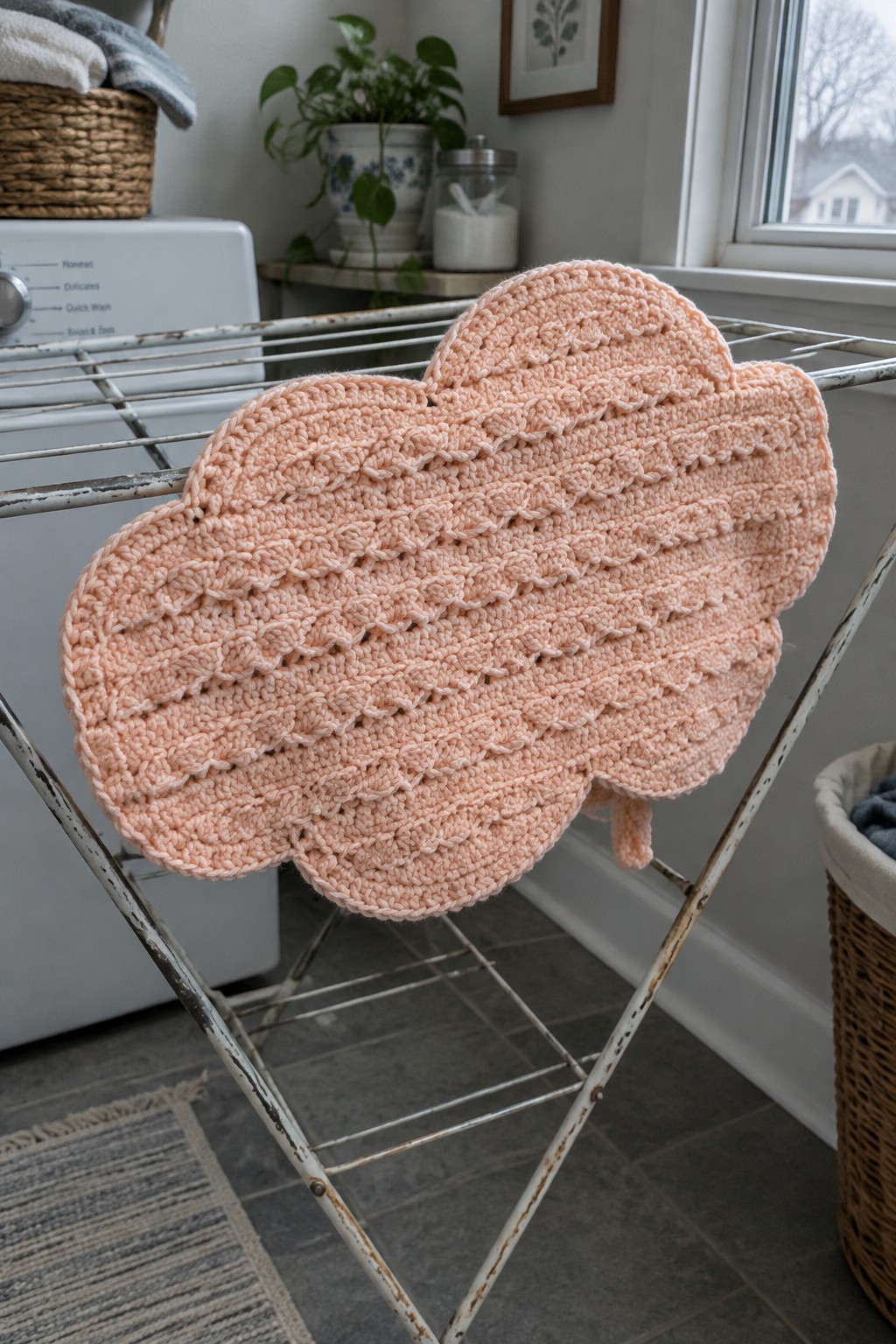
A cloud-shaped crochet blanket works from a single color and a ridged stitch that builds soft horizontal texture row by row. The scalloped outer edge creates an organic outline without any color changes or complicated colorwork. This shape suits a baby blanket, stroller cover, or small pet mat because the compact size stays manageable from start to finish.
What makes this idea useful is how the simple outline lets you adjust the overall size without redesigning the pattern. The one-color approach keeps the focus on the stitch texture, so the blanket pairs easily with any existing bedding or room colors. For gifts, a design like this works well in neutral or pastel tones that match most nurseries. The finished piece folds flat and travels light, making it practical for everyday use.
Frequently Asked Questions
1. What yarn is best suited for creating simple one-color minimalist crochet blankets? Worsted weight acrylic or cotton yarn works well for these designs because it provides a smooth, even texture without distractions. Choose a light or neutral shade like soft gray or beige to enhance the minimalist feel, and check the label for yardage based on your blanket size. This ensures the blanket drapes nicely while keeping the focus on the clean lines of the pattern.
2. How do I select the right crochet hook for one-color blanket projects? Match the hook size to your yarn weight, such as a 5mm hook for worsted weight, to achieve a balanced stitch tension. Test a small swatch first to confirm the fabric feels neither too stiff nor too loose, which helps maintain the simple, elegant appearance of minimalist designs. Adjust as needed for your personal crochet style to avoid uneven edges.
3. Can these one-color patterns be easily adjusted for different blanket sizes? Yes, most simple stitches like single or double crochet allow easy customization by adding or subtracting rows and chains. Start with a foundation chain that matches your desired width, then work until the length is right, keeping the same one-color approach for a cohesive minimalist look. This flexibility makes the ideas suitable for baby blankets, throws, or larger afghans.
4. What techniques help keep edges straight in solid color crochet blankets? Always turn your work at the end of each row and use consistent stitch counts, perhaps placing a stitch marker in the first and last stitch of every row. For minimalist designs, avoid adding extra stitches at the ends, and consider a simple border of single crochet rounds to neaten everything up without introducing color changes.
5. How should I wash and care for a finished one-color crochet blanket? Machine wash on a gentle cycle with mild detergent in cold water, then lay flat to dry to preserve the shape and texture. This care routine prevents pilling or fading, ensuring the clean, minimalist aesthetic lasts over time. Store folded in a cool, dry place away from direct sunlight for best results.
