

Ever wondered if your trusty dude pruner is actually safe to use? Picture this: you’re out in the garden, ready to tackle those overgrown branches, but a lingering doubt creeps in – is your tool up to the task without putting you at risk? In this article, we’ll explore the safety aspects of dude pruners and give you the peace of mind you deserve.
You’ll discover essential tips on how to ensure your pruning sessions are not only effective but also safe. From proper handling techniques to maintenance practices, we’ve got you covered. Stay tuned to learn how to make the most of your dude pruner without compromising on safety.
Understanding Dude Pruners
So, you’re wondering, are dude pruners safe for your gardening adventures? Let’s dive into what makes these tools tick and how you can wield them safely and effectively to nurture your garden.
- Purpose: Dude pruners are designed for precision and control when trimming plants, allowing you to sculpt your green spaces with ease.
- Types: You’ll find bypass and anvil pruners, each serving different pruning needs. Bypass pruners are ideal for live plants, while anvil pruners excel at tougher branches.
Anatomy of Dude Pruners:
- Blades: Sharp, curved blades that deliver clean cuts without crushing stems.
- Handles: Ergonomically designed for comfort during prolonged use.
- Lock Mechanism: Keeps the pruners safely closed when not in use.
- Spring: Assists in smoothly reopening the blades after each cut.
- Protection: Wear gloves and safety glasses to shield your hands and eyes.
- Maintenance: Keep blades sharp and clean to ensure efficient cutting.
- Technique: Position the pruners correctly to avoid accidents and achieve precise cuts.
- Storage: Store pruners in a safe place, away from children and pets.
By understanding the ins and outs of dude pruners and following these tips, you can harness their potential safely while enhancing the beauty of your garden.
Common Safety Concerns
When using dude pruners, it’s essential to be aware of potential safety concerns to ensure a safe gardening experience. Here are some common safety tips to keep in mind:
- Always wear protective gloves to avoid potential cuts and blisters.
- Sharp blades are crucial for clean cuts, so make sure to keep them well maintained.
- Proper technique is important – avoid cutting branches larger than the pruner’s capacity to prevent damage or accidents.
- When not in use, store your pruners in a safe place out of reach of children and pets.
By being mindful of these safety concerns and following the recommended guidelines, you’ll be able to enjoy the benefits of using dude pruners in your gardening tasks without compromising safety.
Importance of Proper Handling Techniques
When using dude pruners, it’s crucial to employ proper handling techniques to ensure your safety and the effectiveness of your gardening tasks. Here are some key points to keep in mind:
- Ensure Firm Grip: Hold the pruner securely with your dominant hand to maintain control during cutting.
- Mind Your Fingers: Keep your non-dominant hand away from the cutting blade to avoid accidental cuts.
- Cut at the Right Angle: Make cuts at a slight angle to promote healing and prevent damage to the plant.
- Avoid Overexertion: Use the pruner smoothly without applying excessive force to prevent strain or injury.
- Regular Maintenance: Clean and oil the pruner regularly to keep it in optimal working condition.
By following these proper handling techniques, you can enjoy using dude pruners safely and efficiently in your gardening endeavors.
Recommended Products
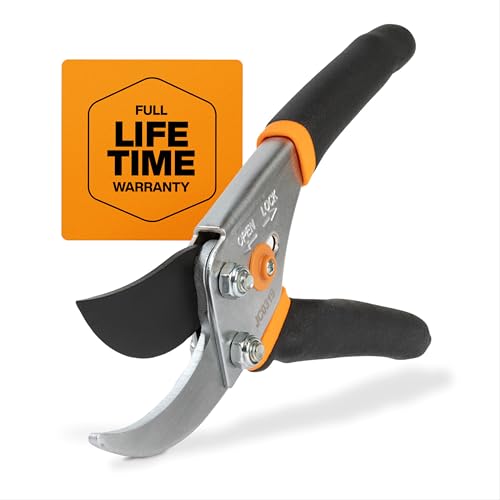
CLEAN CUTS FOR LIVE GROWTH: Bypass blade design is ideal for pruning delicate flower stems and green growth, helping reduce crushing and plant damage while cutting stems and small branches up to 5/8” in diameter

What Makes VT-C800 Unique? Ever-Sharp Teflon-Coated SK5 Blades | Jam-Proof Sealed Spring | Ambidextrous Thumb Lock | Backed by Lifetime Support

ULTRA SHARP - Much less effort to cut branches with our pruning shears. Crafted from premium SK5 steel with titanium coating, our garden scissors and garden clippers boast exceptional durability and sharpness. A perfect pruning shears for gardening and a must-have garden tool, hedge clippers pruners for gardening
Tips for Maintaining a Safe Dude Pruner
When it comes to ensuring the safety and longevity of your dude pruner, a few simple maintenance tips can go a long way. Here are some key pointers to keep in mind:
- Clean Your Pruner Regularly
To prevent debris buildup and potential safety hazards, clean your dude pruner after each use. Use a damp cloth to wipe off any sap or dirt and ensure that the blade is free from any sticky residue. - Inspect for Wear and Tear
Regularly check for loose screws or bolts that could affect the stability of your pruner. Replace any worn-out parts to maintain optimal functionality and safety. - Keep It Sharp
A sharp blade is essential for clean cuts and efficient pruning. Sharpen your pruner blade regularly to ensure smooth and precise cutting without applying excessive force. - Store Properly
When not in use, store your dude pruner in a dry place to prevent rusting. Consider investing in a protective case or holster to keep the blade covered and secure. - Oil Moving Parts
Periodically oil the moving parts of your pruner to maintain smooth operation. This simple step can prevent jamming and ensure that your pruner remains easy to use.
By following these maintenance tips, you can ensure that your dude pruner remains safe, reliable, and ready to tackle any pruning task with ease.
Maximizing Safety During Pruning Sessions
While using dude pruners, always wear gloves to protect your hands. Make sure to inspect the pruners before each use for any signs of damage. Keep a firm grip on the pruners at all times to avoid accidents. Remember to cut at the right angle to ensure clean and precise cuts in your garden.
When pruning, position yourself properly, keeping your feet shoulder-width apart for balance. Avoid overexerting yourself to prevent strains and injuries. Regularly clean your pruners after each use to maintain their sharpness and effectiveness in your gardening tasks.
| Important Notes |
|---|
| Always wear gloves |
| Inspect pruners before use |
| Keep a firm grip |
| Cut at the right angle |
| Position yourself properly |
| Avoid overexertion |
| Regularly clean pruners |
Conclusion
You’ve learned the essential handling techniques and maintenance tips for using dude pruners safely and effectively in your gardening tasks. Remember to maintain a firm grip, cut at the correct angle, and avoid overexertion. Don’t forget to wear gloves, inspect your pruners before each use, position yourself correctly, and keep your pruners clean for optimal performance. By following these guidelines, you can ensure that your dude pruners are always in top condition, ready to tackle any pruning job with ease. Happy gardening!
Frequently Asked Questions
What are some key handling techniques for using dude pruners safely and efficiently?
Proper handling techniques for dude pruners include maintaining a firm grip, cutting at the correct angle, and avoiding overexertion.
Why is it important to wear gloves when using dude pruners?
Wearing gloves when using dude pruners is crucial to protect your hands from cuts, blisters, and thorns.
How often should I inspect dude pruners for damage?
Inspect dude pruners for damage before each use to ensure they are in good working condition and safe to use.
Why is it essential to position oneself correctly when using dude pruners?
Positioning yourself correctly when using dude pruners helps maintain balance, control, and precision during pruning tasks.
How can I maintain the sharpness of my dude pruners?
Regularly clean dude pruners after each use to remove residue and sap, helping to maintain sharpness and prolong their lifespan.
