

Have you ever admired the stunning beauty of Japanese cherry blossom trees and wondered if they produce fruit? You’re not alone. Many people are captivated by these iconic trees, but the question of whether they bear fruit often comes up.
While cherry blossoms create breathtaking landscapes, their fruit-bearing capabilities can be a bit confusing. This article will clarify what you need to know about these trees and their fruit. By the end, you’ll understand the difference between ornamental cherry trees and those that produce cherries, giving you a clearer picture of what to expect from these lovely plants.
Key Takeaways
- Ornamental vs. Fruit-Bearing: Most Japanese cherry blossom trees (Prunus serrulata) are ornamental and do not produce edible fruit, unlike some species such as Prunus avium and Prunus cerasus, which yield sweet and sour cherries respectively.
- Pollination Process: The fruit development process in cherry trees begins with pollination, leading to fruit set, ripening, and ultimately harvesting delicious cherries.
- Nutritional Benefits: Cherries are nutritious, offering vitamins, antioxidants, and dietary fiber, making them a healthy addition to your diet.
- Cultural Significance: Cherry blossoms, celebrated during hanami festivals, symbolize the transient nature of life and play a crucial role in Japanese art, literature, and cultural ceremonies.
- Global Recognition: Regions renowned for cherry blossoms, like Tokyo and Kyoto, draw visitors worldwide to witness their breathtaking beauty during bloom season.
Overview of Japanese Cherry Blossom Trees
Japanese cherry blossom trees, known as sakura, captivate many with their stunning pink and white blooms. These trees belong to the genus Prunus and are primarily cultivated for ornamental purposes. They thrive in temperate regions and flourish in springtime, creating breathtaking landscapes.
While you might admire these trees for their delicate flowers, most ornamental varieties do not produce fruit. The popular Prunus serrulata, commonly referred to as the Japanese cherry, is a prime example. This tree, celebrated for its flowers, bears little to no edible fruit.
However, some cherry species do produce cherries. These include Prunus avium and Prunus cerasus. These varieties yield cherries that are delicious and often used in culinary applications. For instance, sweet cherries from Prunus avium are commonly eaten fresh, while sour cherries from Prunus cerasus can be found in pies and preserves.
Knowing the difference between ornamental cherry trees and those that produce cherries helps set your expectations. If you’re interested in fruit-bearing trees, focus on the correct species. Educating yourself about these distinctions allows for better gardening choices and enhances your experience with cherry trees.
Recommended Products

🌸 Grow Stunning Cherry Blossom Trees Enjoy breathtaking pink blossoms and create a beautiful spring landscape with vibrant ornamental cherry blossom trees.

Prunus serrulata - Non-GMO, Heirloom, Open-Pollinated, Untreated, Freshly collected for the current growing season

High-Quality Material: Made from twisted wire strands, exclusive and fine materials designed to last, these craft models promise longevity and maintain their vibrant color over time.
Do Japanese Cherry Blossom Trees Produce Fruit?
Japanese cherry blossom trees, or sakura, are primarily recognized for their stunning blossoms rather than their fruit. While ornamental varieties mainly focus on aesthetics, a few species within the cherry family do yield edible fruit.
Recommended Products

4 kinds of the most popular fruits, individually packaged, 50pcs Lemon seeds 50pcs Cherry seeds 50pcs Orange seeds 50pcs Apple seeds Fresh seeds, all fruit seeds are packed in tear and moisture resistant zipper sealed bags for your long term storage.

Package: 5 Individual Packs, 40+ Lemon Tree Seeds 40+ Cherry Tree Seeds 40+ Orange Tree Seeds 40+ Apple Seeds 20+ Blueberry Seeds

Types of Cherry Blossom Trees
Several types of cherry blossom trees exist, each with distinct characteristics regarding fruit production. Key types include:
- Prunus serrulata: This ornamental tree showcases beautiful blooms and produces little to no edible fruit.
- Prunus avium: Known as sweet cherry, this tree produces delicious, edible cherries and thrives in temperate regions.
- Prunus cerasus: Also known as sour cherry, this species offers tart cherries, often used in baking and preserves.
These distinctions are crucial when selecting a cherry tree for either ornamental or culinary purposes.
Fruit Development Process
Fruit development in cherry blossom trees typically follows the bloom cycle. After pollination occurs, the flowers give way to small green cherries. The process includes several stages:
- Pollination: Pollinators like bees transfer pollen from one bloom to another.
- Fruit Set: Successful pollination leads to fruit set, where flowers transform into small cherries.
- Ripening: As the cherries develop, they change in color and size, indicating ripeness.
- Harvesting: Once fully ripe, cherries can be harvested for consumption or culinary use.
Understanding this process allows you to appreciate the journey from flower to fruit, especially if you choose a cherry tree that produces edible cherries.
Characteristics of Cherry Blossom Fruit
Cherry blossom trees can produce fruit, though the type and edibility vary significantly among species. Many ornamental varieties focus on stunning blossoms rather than tasty cherries.
Recommended Products

[Lush Double Blooms in Mixed Shades] Produces clusters of fully double flowers with 10-30 petals per bloom. Flowers appear in a range of shades from soft pink to rich rose. Each branch becomes covered in cascading floral clusters.

Natural Dried cherry blossoms:Made from real pressed cherry blossoms, carefully dried to preserve their delicate shape and natural beauty. Each dried flower features unique colors and details, bringing an elegant floral touch to your creations
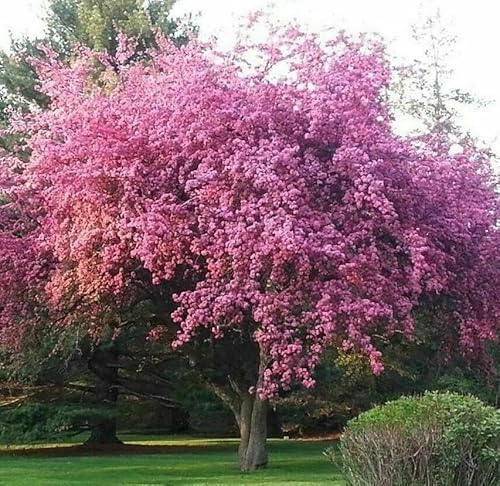
For sale is one kwanzan cherry tree that is approximately 8-14" tall and shipped in a 2.5" pot
Edibility and Taste
Most ornamental cherry blossom trees, like Prunus serrulata, produce fruit that’s generally inedible or very small. In contrast, species like Prunus avium and Prunus cerasus yield sweet and sour cherries respectively, both of which are prized for their flavor. You can enjoy these cherries fresh, baked in pies, or made into preserves. Observing the size and taste will help distinguish between ornamental and fruit-bearing varieties.
Nutritional Value
Cherries offer substantial nutritional benefits. Sweet cherries contain about 63 calories per 100 grams, providing vitamins C, A, and K, along with potassium and fiber. Sour cherries have slightly fewer calories but are rich in vitamins and antioxidants. Regular consumption supports overall health, boosting immunity and supporting digestion. Incorporating these cherries into your diet adds not only deliciousness but also essential nutrients.
Cultural Significance of Cherry Blossoms
Cherry blossoms, known as sakura in Japan, hold immense cultural significance. Celebrated for their fleeting beauty, these blossoms symbolize the transient nature of life. Festivals, known as hanami, mark the cherry blossom season, inviting people to gather under the trees and appreciate their beauty.
Cultural practices surrounding cherry blossoms include:
- Art and Literature: Artists and poets often depict cherry blossoms in their works, representing beauty and the ephemeral nature of existence. You can find cherry blossoms in traditional paintings and contemporary art.
- Ceremonies: Various ceremonies celebrate the arrival of spring, underscoring the tree’s role in Japanese culture. Families and friends often come together for outdoor picnics under the blooming branches.
- Symbol of Renewal: The blossoms signify renewal and hope, inspiring people to start anew as winter fades. This symbolism resonates deeply with many, fostering a sense of optimism.
Regions famous for cherry blossoms, such as Tokyo, Kyoto, and Hirosaki, host spectacular events during blooming season. People travel to view these iconic landscapes filled with pink and white petals. Don’t miss visiting locations like Chidorigafuchi and the Hirosaki Cherry Blossom Festival for breathtaking views.
Cherry blossoms also influence gastronomy. Special treats, such as sakura mochi and sakura-flavored drinks, pop up during the season. These offerings highlight the connection between nature and culture, providing a sensory experience that celebrates the blossoms.
By engaging with these traditions, you can appreciate the rich cultural tapestry woven around cherry blossoms. They represent more than just a beautiful flower; they embody stories, beliefs, and a shared experience that resonates with people both in Japan and around the world.
Conclusion
Cherry blossom trees are a beautiful addition to any garden but understanding their fruit production is key to your gardening choices. While most ornamental varieties won’t provide you with edible cherries there’s still a world of flavor waiting in the right species.
If you’re looking to enjoy the delightful taste of cherries consider planting Prunus avium or Prunus cerasus. These trees not only offer stunning blooms but also reward you with delicious fruit. Embracing the beauty and significance of cherry blossoms can enhance your appreciation for nature’s wonders. So whether you’re enjoying a hanami festival or savoring homemade cherry treats your experience with these trees will be truly special.
Frequently Asked Questions
What are Japanese cherry blossom trees known for?
Japanese cherry blossom trees, or sakura, are primarily celebrated for their beautiful pink and white blooms. These ornamental trees bloom in spring, attracting visitors and inspiring art and literature.
Do cherry blossom trees produce edible fruit?
Most Japanese cherry blossom trees, like Prunus serrulata, are ornamental and do not produce edible fruit. However, some varieties, such as Prunus avium (sweet cherry) and Prunus cerasus (sour cherry), do yield delicious cherries.
What is the significance of cherry blossoms in Japanese culture?
In Japan, cherry blossoms symbolize the transient nature of life. They are celebrated during hanami festivals, which focus on appreciating the fleeting beauty of the blooms.
What stages are involved in cherry fruit development?
The stages of cherry fruit development include pollination, fruit set, ripening, and harvesting. Each stage is essential for producing the edible cherries enjoyed in various culinary applications.
Where can I see cherry blossoms in Japan?
Famous regions for cherry blossom viewing in Japan include Tokyo and Kyoto. These areas host numerous festivals and events during the cherry blossom season, attracting tourists from around the world.
What culinary delights are associated with cherry blossoms?
Culinary delights include sakura mochi (sweet rice cakes wrapped in cherry leaves) and sakura-flavored drinks. These treats celebrate the cherry blossom season and highlight their cultural importance.
