


I like to crochet picnic blankets that do not take up much space in my bag.
Light yarn and open patterns help keep them light for carrying around.
I have gathered some ideas that work well for grass or sand.
They fold small and wash easily after a day outside.
Most of these use basic stitches so they come together quickly.
Pastel Granny Square Picnic Blanket

A granny square blanket made in repeating pastel colors creates a lightweight picnic option that folds easily and packs flat. The squares are worked in an open stitch and joined into a large rectangle, then finished with a simple border that keeps the edges tidy on grass. Alternating the four colors in a staggered grid adds visual balance while keeping the overall look soft and neutral for outdoor use.
What makes this idea useful is how simple it is to change the finished size by adding or removing squares before joining. The color repeat works well if you want to use up leftover yarn or match it to existing picnic gear. You could make the squares larger for fewer joins or switch to brighter shades for a bolder version. For outdoor use, this layout stays practical because the open fabric dries fast and rolls up small.
Striped Fan Stitch Picnic Blanket

A rectangular picnic blanket worked in repeating rows of open fan stitches produces a lightweight fabric with good drape. Wide alternating stripes of coral and mint green make the motif stand out without requiring complicated color changes. The scalloped border finished with small tassels gives a clean edge that suits outdoor use.
The stripe repeat is simple to lengthen or shorten for different blanket sizes. Two high-contrast colors handle most of the visual interest so the project stays beginner-friendly after the first few rows. This layout packs flat and works well as a ground cover on grass or sand where airflow through the open stitches helps prevent overheating.
Circular Pastel Picnic Blanket

A round crochet blanket worked in expanding concentric rings makes a compact picnic layer that packs flat or rolls into a small bundle. Shifting pastel shades create distinct bands that keep the pattern easy to follow while the scalloped edge allows the blanket to settle evenly on sand or grass. This shape works well as an outdoor blanket because it uses yarn efficiently and avoids the bulk of square corners.
What makes this idea useful is the way the circular layout lets you stop or extend rounds to change the finished size without rewriting the pattern. You can swap the pastel sequence for brighter or darker tones to match different seasons or group preferences. The same structure also adapts to smaller versions for individual mats or larger ones for family use.
Striped Open-Stitch Picnic Blanket

A picnic blanket made with wide alternating stripes of open lacy crochet in purple and cream stays light enough to carry easily. The mesh-like stitch creates airflow through the fabric so it dries fast if left on damp grass. Rolling the blanket and holding it with a strap keeps the whole piece compact for tossing into a tote or car.
What makes this idea useful is how the open stitch packs down smaller than a solid blanket of the same size. You can swap stripe widths or shift the color order to match different outdoor setups without changing the pattern. This style photographs clearly for sharing because the repeating stripes and holes show up even at small sizes.
Rainbow Chevron Ripple Picnic Blanket

A ripple crochet blanket worked in wide horizontal color bands produces a bold zigzag effect that travels across the full width. The design uses a standard ripple repeat with each stripe in a different bright color, turning the blanket into a lightweight outdoor layer that packs easily. This style fits the picnic blanket category because the repeating waves add structure without extra weight or bulk.
What makes this idea useful is how simple it is to change the finished size by adjusting the starting chain or the number of color repeats. The rainbow sequence works well on grass or sand where solid colors can disappear, and the same pattern can be made in any palette or scaled to a throw or lap size. A project like this stands out on Pinterest because the strong color order and clear ripple lines photograph cleanly in natural light.
Hexagon Motif Picnic Blanket

A blanket built from joined hexagonal motifs creates a flexible fabric that folds flat and travels light for outdoor use. Each hexagon is worked in rounds from the center out, then connected along the edges to form a continuous surface without large holes. The repeating pastel color sequence across the hexagons keeps the pattern simple while creating a clear visual grid that reads well from a distance.
What makes this idea useful is how easy it is to change the finished size by adding or removing motifs before joining. This shape works especially well as a picnic blanket because the joined hexagons stay stable on grass without bunching. You can swap the pastel palette for brighter or neutral tones to suit different settings, or work the hexagons in a single color for a faster finish. The modular construction also lets you carry the project in small pieces and assemble it once the hexagons are complete.
Two-Color Open Mesh Picnic Blanket

This blanket uses a simple open mesh stitch worked in repeating square blocks that alternate between yellow and white. The pattern creates a grid-like structure that stays light and breathable while still covering a decent area. Color changes happen at regular intervals to form the checkered layout, and the finished piece folds down small enough to pack for outdoor use.
What makes this idea useful is how the open stitches prevent the blanket from getting too warm on sunny days. You can adjust the block size or add extra colors to fit different picnic setups without changing the overall pattern. Scaling the width down makes it easy to turn into a smaller throw for park benches or beach chairs.
Mini Pineapple Amigurumi as Picnic Blanket Accent

A small pineapple shape crocheted in yellow with a green leaf top forms a compact amigurumi piece that measures just a few inches across. The rounded body and simple face details make it a fast project built from basic rounds and color changes. This falls into the giftable item or small decor category and can attach to a blanket corner, serve as a bag charm, or sit as a table marker.
What makes this idea useful is the finished size, which lets you add it to an existing lightweight blanket without extra weight or bulk. Change the yellow to match your blanket border or swap the leaves for different fruit versions to create a set. For gifts, a design like this pairs easily with a folded picnic blanket and fits in the same storage bag.
Striped Picnic Blanket with Matching Tote

A rectangular blanket worked in wide repeating stripes of cream, sage, and blue uses an open stitch pattern that keeps the fabric light enough to carry easily. The matching tote applies the same stripe sequence and stitch on a smaller scale with two handles added at the top. This setup works as both a blanket and an accessory because the coordinated pieces create a complete outdoor kit without extra bulk.
What makes this idea useful is that the tote can hold the folded blanket plus small items like cups or snacks in one trip. You can swap the stripe order, shorten the blanket length, or use leftover yarn from other projects to keep the color mix simple. The neutral palette also makes it easy to pair with different picnic linens or outdoor gear you already own.
Round Gradient Blanket with Scalloped Edge
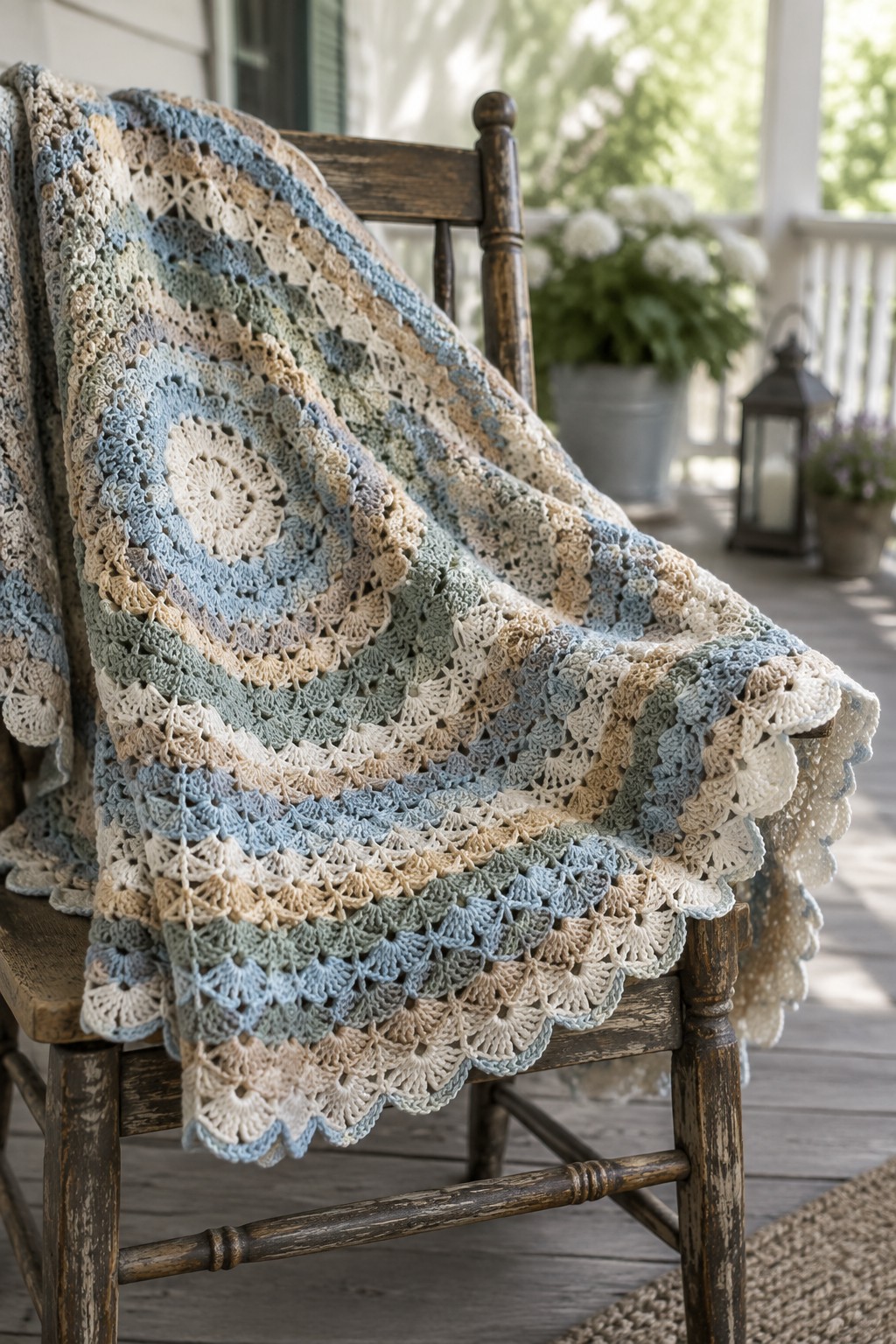
A circular blanket built in expanding rounds makes a practical picnic layer because it spreads flat without corners bunching up. Color changes move from cream through beige into soft blue-gray, creating clear rings that show the growth of the piece while keeping the overall look calm. Open lace stitches between the rings let air pass through so the blanket stays light enough to carry folded. The final round uses a scalloped border that adds a finished look and keeps the edge from rolling.
What makes this idea useful is how easily you can adjust the size by adding or dropping rounds to fit a small table or a full picnic spread. Swap the cool blue tones for warmer shades or keep the same palette but change the order to match other outdoor gear you already own. The openwork pattern works up fast and packs small, which matters when you need to fit everything into a basket or tote. A project like this also photographs well for pattern notes if you want to track your own color sequence for future blankets.
Chevron Bobble Picnic Blanket

A chevron stitch blanket built from wide zigzag rows in changing color blocks creates a lightweight picnic layer that folds flat and travels easily. Bobbles worked along the peaks give the surface just enough grip to stay put on grass while keeping the overall weight low. The repeating color shifts across the width make the pattern readable from a distance, which helps the blanket stay visible in a busy park setting. This approach fits the outdoor blanket category where breathability and quick packing matter more than heavy insulation.
What makes this idea useful is how the repeat count can be changed to hit any width needed for two or four people. The color blocks can be shortened or lengthened to use up leftover yarn without affecting the zigzag flow. A project like this works especially well when you want something that looks finished on its own yet still rolls small enough for a daypack. You can drop the bobbles on future versions if you prefer a smoother surface that packs even tighter.
Open Grid Picnic Blanket
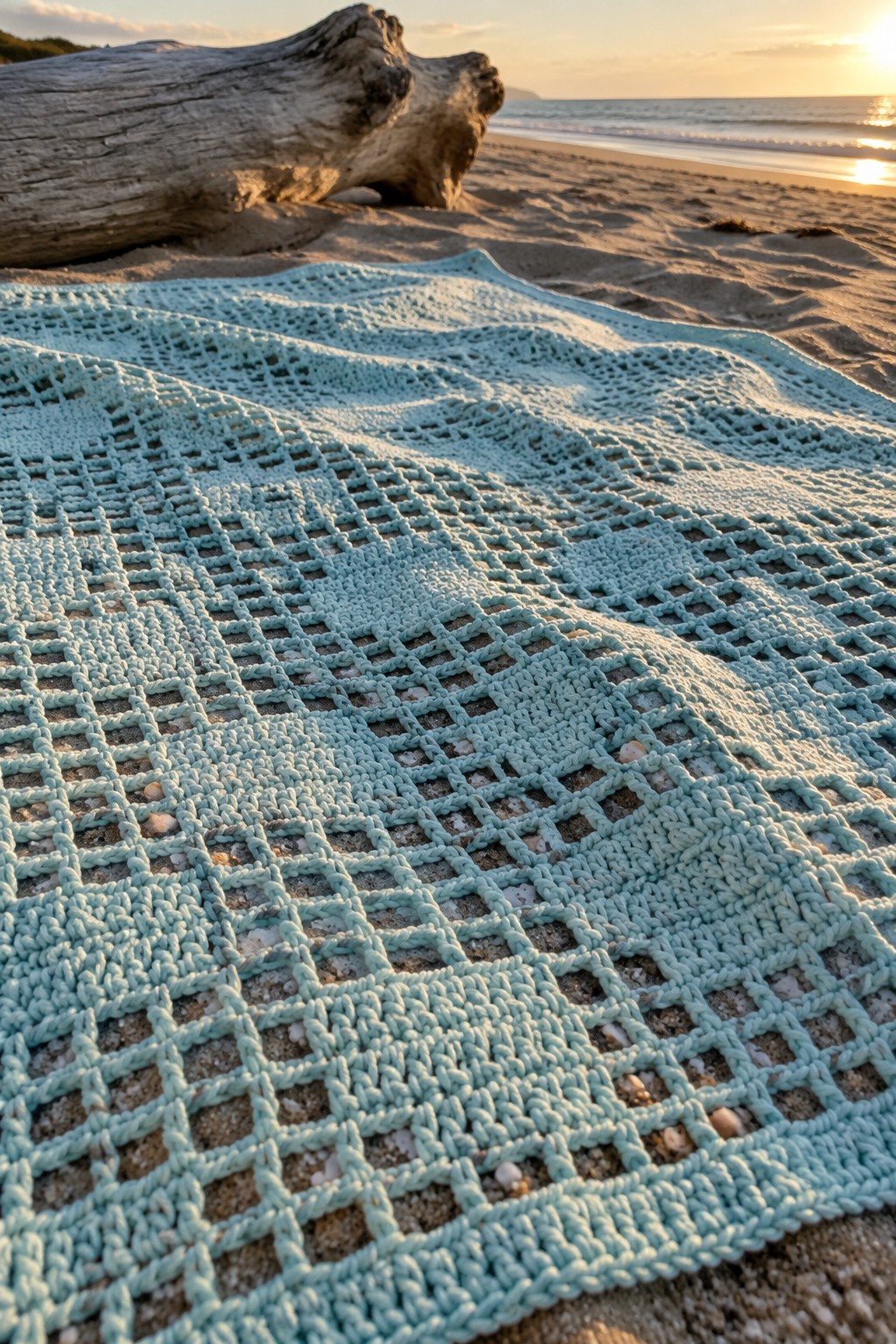
A crochet blanket made with a repeating open grid pattern creates a lightweight fabric that lets air and sand move through instead of trapping them. The square motifs form a stable structure that still feels breathable, making it practical for spreading directly on the ground. This style works well as a full-size picnic blanket because the openwork keeps the finished piece from getting heavy even at larger dimensions.
What makes this idea useful is how the mesh prevents sand buildup, so shaking it out takes almost no effort. You can change the finished size simply by working more or fewer repeats to match a two-person or family blanket. The same grid works in any color and adapts easily if you want to add a solid border or switch to a different yarn for more drape. For Pinterest, the clean geometric look photographs clearly and stands out in outdoor project roundups.
Striped Picnic Blanket with Edge Pocket

A rectangular crochet blanket uses wide horizontal stripes in two shades of green and cream to create a simple repeating pattern. One long edge includes an attached pocket wide enough to hold a water bottle upright. The pocket is worked in the same stitch texture as the main blanket so it blends into the overall design. This turns a basic picnic blanket into a project that carries its own small items without needing a separate bag.
What makes this idea useful is the pocket placement along the edge, which lets the blanket fold around the stored items for easy carrying. You can change the pocket depth or add a second one on the opposite side to fit phones, keys, or snacks. The stripe pattern works well in any two or three colors that match your usual outdoor gear. For a different look, shorten the blanket into a lap size or widen the stripes for faster progress.
Two-Color Geometric Picnic Blanket

A repeating block pattern in two contrasting colors creates a straightforward picnic blanket with strong visual structure. The design breaks the surface into large squares and stepped shapes that read clearly from a distance. This layout works as a full-size throw that folds compactly for carrying to outdoor spots.
What makes this idea useful is the way the scale of the blocks can be changed to fit a smaller or larger blanket without redesigning the whole pattern. The two-color approach keeps yarn changes minimal while still producing a finished look that needs no extra edging. A project like this adapts easily to other color pairs that match existing outdoor cushions or tableware.
Appliqué Stars and Clouds on a Striped Picnic Blanket

A striped crochet blanket becomes a picnic option when you add star and cloud appliques across the surface. The horizontal color bands form a simple background that keeps the raised motifs visible without competing for attention. You work the stars and clouds separately in the same yarn, then sew them on at scattered points so the layout stays balanced but not symmetrical.
What makes this idea useful is that the applique approach lets you adjust motif count and placement after the blanket is finished. You can scale the blanket down to a baby size or widen the stripes for a larger throw without changing the motif pattern. For outdoor use, the flat construction packs easily and the light colors help it stay cooler in sun. This format also works well as a template for other motif sets like leaves or flowers if you want a seasonal version.
Striped Lace Picnic Blanket with Fringe

A rectangular blanket built from alternating solid and openwork horizontal stripes produces a fabric light enough to carry easily while still providing coverage on grass or sand. Two earth-tone colors keep the stripes distinct without overwhelming the pattern, and the tassels finish the lower edge in a way that moves with the blanket rather than weighing it down. This style fits the picnic blanket category because the open sections reduce overall density while the solid bands supply enough structure to lie flat.
What makes this idea useful is how simple it is to change stripe width or swap one color for another to match different outdoor settings. You can shorten the length for a bench throw or widen it for a full picnic spread without changing the basic repeat. Leaving off the tassels or replacing them with a narrow border cuts finishing time if you need something quicker.
Pastel Granny Square Blanket That Rolls Compact
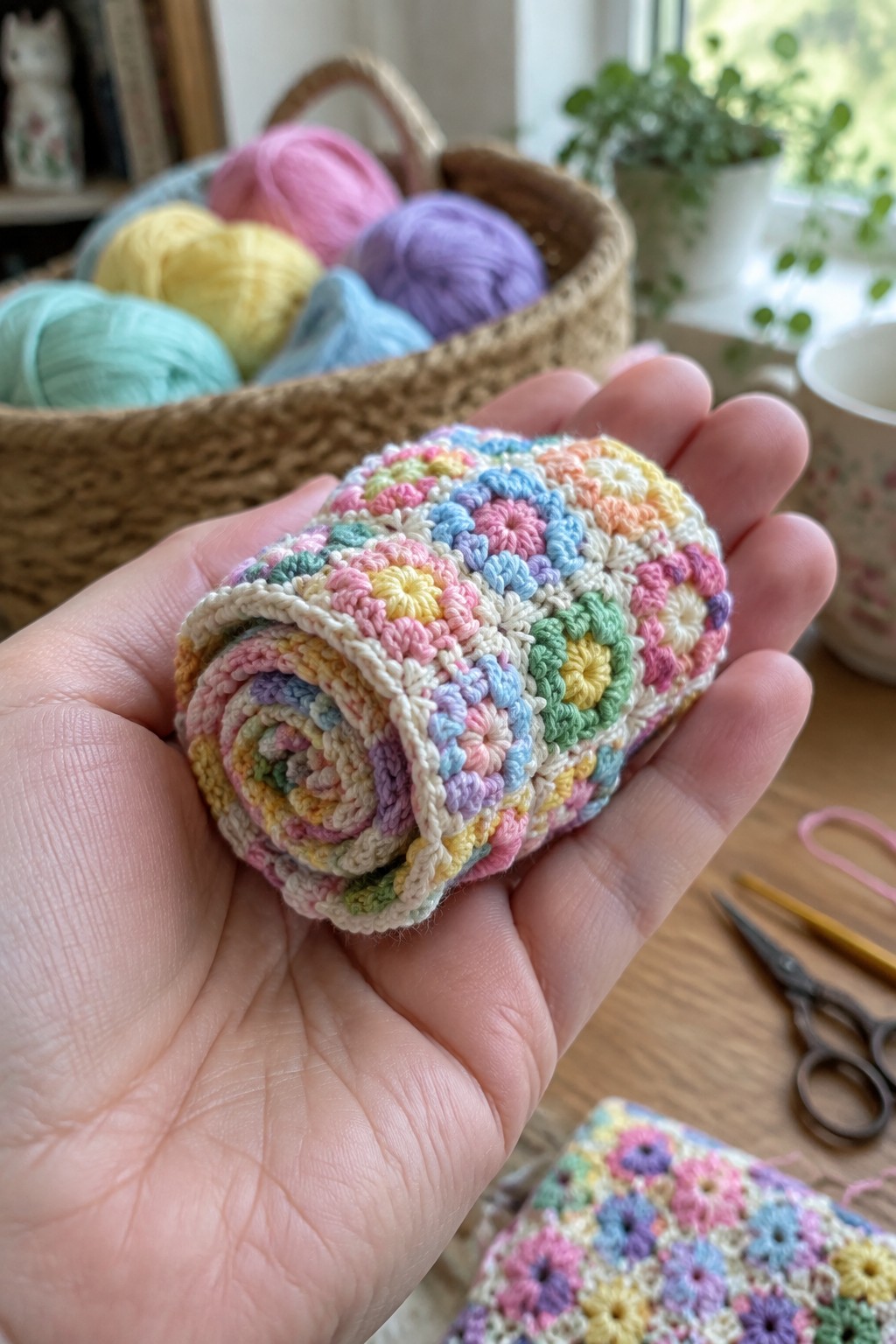
A blanket made from small joined granny squares creates a flexible fabric that packs down easily for outdoor use. The repeating squares form a stable structure that lies flat on grass without shifting. Pastel colors placed in rows keep the overall look light while still showing clear pattern detail.
What makes this idea useful is how the square layout lets you change the finished size by adding or removing rows before seaming. You can swap colors to match other picnic items or work with whatever yarn you already have on hand. This shape compresses into a tight roll that fits inside a tote without taking much space.
Heart Motif Picnic Blanket

A blanket built from repeating heart shapes uses simple color changes across a granny-style mesh to create clear motifs without extra stitches. The two-tone layout in pink and gray keeps the pattern easy to follow while the open texture stays light enough to fold and carry. This approach fits the category of outdoor blankets that double as throws or seat covers.
What makes this idea useful is the way the hearts stay readable at any scale so you can add or drop rows to match a bike basket or a full picnic spread. Switching the two colors or extending one shade into the border gives quick variety without rewriting the pattern. The repeat also works well for a first try at planned colorwork since mistakes show up fast and fix easily.
Frequently Asked Questions
What materials work best for lightweight crochet picnic blankets that hold up outdoors? Cotton or linen yarns are ideal choices because they stay cool in the sun, dry fast after dew or light rain, and resist stretching when carried. Avoid wool blends that add weight and trap moisture. Pair these yarns with an open stitch pattern from the article ideas to keep the finished blanket under two pounds for most sizes.
How can I make sure the blanket folds compactly for hiking or beach trips? Select patterns that use chain spaces or mesh sections so the fabric compresses easily into a small bundle. Add a matching crocheted strap or tuck the blanket into a lightweight drawstring tote sewn from the same yarn. This approach works well with the modular square or strip designs listed in the 18 ideas.
Which sizes suit different group sizes without becoming too heavy to carry? A 50 by 60 inch throw fits two people comfortably and rolls up smaller than a backpack. For four adults choose 60 by 80 inches but keep the yarn weight at fingering or sport level and add fringe only on two sides to limit bulk. Both sizes appear frequently among the lightweight outdoor options.
How do I clean a crochet picnic blanket after outdoor use? Shake off grass and dirt first, then spot clean with mild soap and cool water. Lay flat to dry in shade so colors stay bright. Machine washing on gentle is safe for most cotton versions if you place the blanket inside a mesh laundry bag to protect the stitches.
What simple additions improve comfort on uneven ground? Sew a thin waterproof picnic liner to the underside using only the border stitches so the crochet top stays visible. This keeps the blanket from soaking up ground moisture while adding almost no extra weight. The liner can be removed for washing and works with any of the openwork patterns suggested.
