

Growing banana trees in Richmond, VA is achievable with the right techniques and care. By selecting cold-hardy varieties and implementing protective measures, you can successfully cultivate these tropical plants in your garden.
Choose Cold-Hardy Banana Varieties
Selecting the right banana tree variety is crucial for success in Richmond’s climate. Cold-hardy varieties, such as the Musa basjoo and Musa sikkimensis, can withstand lower temperatures and are more resilient to frost. These varieties can grow up to 12 feet tall, providing both aesthetic appeal and fruit production.
| Variety Name | Height | Hardiness Zone | Key Features |
|---|---|---|---|
| Musa basjoo | 8-12 feet | 5-10 | Fast growth, edible fruit |
| Musa sikkimensis | 10-15 feet | 6-10 | Attractive foliage, cold-tolerant |
Recommended Products
![Greenwood Nursery: Live Perennial Plants - Musa Basjoo Cold Hardy Banana - [Qty: 2X Pint Pots] - (Click for Other Available Plants/Quantities)](https://m.media-amazon.com/images/I/51cl7jVVE3L._SL500_.jpg)
🌿 [INFO1] - Gives a tropical look to your garden. Grows from the Southern U.S. all the way to the southern part of Canada. A hardy Flowering Banana plant provides a tropical plant or jungle garden feel for pool landscapes, zen gardens and also makes an excellent container plant for porches, decks, patios & sunny areas of the house. The yellow orange flowers will produce small ornamental fruits that are not edible.
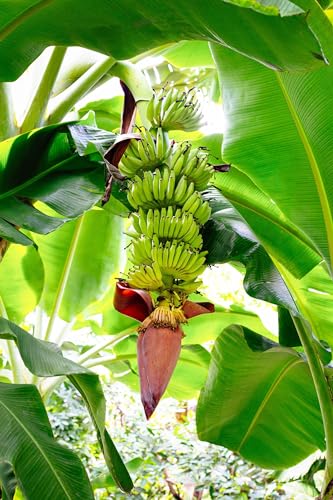
Live Plants for Planting 🌱 – Includes 4 rooted Musa basjoo banana plants, ready to plant in your garden or large pots.
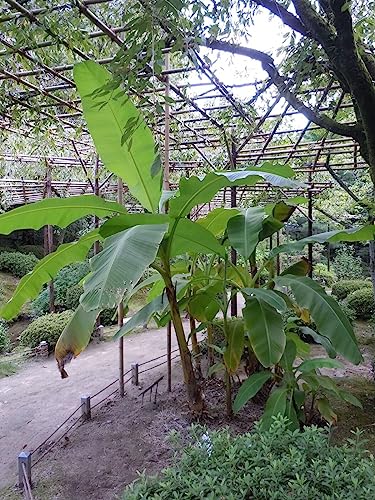
I Assurance that your plant will be sent out in good and healthy condition. Keep in mind that almost all live plants do become stressed during shipping
Site Preparation for Healthy Banana Trees
Preparing the right site is crucial for cultivating healthy banana trees in Richmond, VA. The local climate and soil conditions can significantly impact growth, making it essential to choose the optimal location and amend the soil accordingly. Understanding these factors will help ensure a thriving banana garden that can withstand the region’s unique challenges.
Proper site preparation is essential for healthy banana trees. Choose a location that receives full sun for at least six hours daily.
The soil should be well-draining and rich in organic matter. Consider these steps for optimal site preparation:
Test the soil pH to ensure it is between 5.5 and 7.0.
Amend the soil with compost or well-rotted manure to improve fertility.
Clear debris and weeds from the planting area to reduce competition for nutrients.
Winter Safeguards for Banana Trees
Banana trees can thrive in Richmond, VA, but winter poses unique challenges that require careful planning. Protecting these tropical plants during colder months is essential for their survival and future growth. This section outlines effective strategies to safeguard banana trees against harsh winter conditions, ensuring they remain healthy and vibrant year after year.
Richmond’s winters can be harsh, so protecting your banana trees is vital. Use these strategies to safeguard your plants from freezing temperatures:
Mulch the base of the plant with straw or wood chips to insulate the roots.
Cover the trunk with burlap or frost cloth during extreme cold spells.
Use a portable greenhouse or cloche to shield young plants from frost.
Recommended Products

The Large plant cover is perfect for Plant size 55''-70"high and 84''-94" round, Heavy-weight FRCs (1.77oz./sq. yard): usually used to extend the growing season in spring and fall, allow 40%-60% light transmittance, and recommend 3°-8°F of freeze protection

PACKAGE: The package includes 4Pcs plant covers,will meet your daily use or replacement. Measuring 31.5" x 47.3", the plant protector is waterproof, windproof.

Revolutionary Anti-freeze Protection: Plant covers freeze protection is made of 100% Reliable non-woven thickened polypropylene fabric Because the frost cloth fabric Thickness is 3.2 oz/yd² thicker and warmer, tear resistant than less expensive 1.3 oz/yd² fabric. Provides up to 2° F(-17℃) frost protection. In winter, frost blankets for outdoor plants can form a insulation layer for plants to isolate cold air and retain the oxygen required for plant respiration
Banana Tree Watering and Nutrient Strategies
Proper watering and nutrient management are essential for cultivating healthy banana trees in Richmond, VA. Given the region’s unique climate and soil conditions, understanding the specific needs of these tropical plants can significantly enhance their growth and fruit production. This section outlines effective strategies to ensure your banana trees thrive in Virginia’s environment.
Maintaining proper moisture and nutrient levels is key to thriving banana trees. Here are effective watering and fertilization methods:
Water deeply once a week, allowing the top inch of soil to dry out between sessions.
Fertilize every 4-6 weeks with a balanced fertilizer high in potassium to promote fruit development.
Monitor for signs of nutrient deficiency, such as yellowing leaves, and adjust fertilization accordingly.
Recommended Products
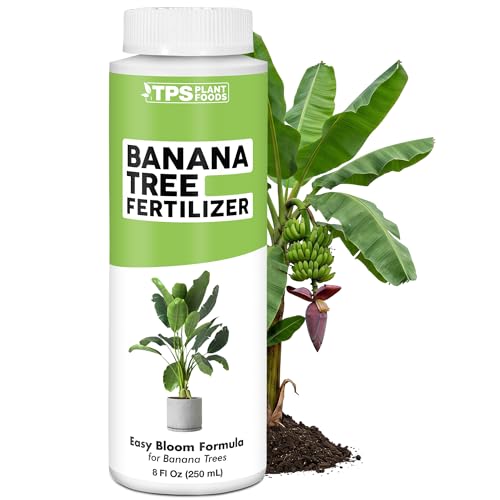
Made for Banana Trees – Specially formulated banana fertilizer designed to support the nutrient needs of banana plants.

PREMIUM FUEL LIQUID FERTILIZER: Wellspring Gardens Banana Fuel Liquid Fertilizer Concentrate provides a quality nutrient blend with minor elements that could grow your plants. Its 3-1-6 formula ratio is the ideal fertilizer ration according to University of Florida which is what our product is made of.

2X MORE VALUE: The 16 oz bottle of Banana Plant Fertilizer makes 16 gallons of banana fertilizer for fruit trees, while the bigger size 32 oz bottle makes 32 gallons for lasting care of your banana trees.
Banana Tree Pest and Disease Solutions
In Richmond, VA, cultivating banana trees can be rewarding, but they are susceptible to various pests and diseases. Understanding these challenges is crucial for successful growth. This section explores effective solutions to manage and prevent common issues, ensuring your banana trees thrive in the Virginia climate.
Pests and diseases can hinder the growth of your banana trees. Identifying and managing these issues early is crucial.
Common pests include aphids and spider mites. Consider these management strategies:
Inspect plants regularly for signs of infestation.
Use insecticidal soap or neem oil to treat minor pest problems.
Practice crop rotation and maintain garden hygiene to prevent disease buildup.
Banana Harvesting Techniques for Richmond Growers
Harvesting bananas in Richmond requires a tailored approach due to the region’s unique climate and growing conditions. Understanding the right techniques can significantly enhance yield and fruit quality, ensuring that local growers maximize their efforts. This section delves into effective harvesting methods specifically suited for banana cultivation in Virginia’s capital.
Once your banana trees start producing fruit, knowing when and how to harvest is important. Bananas typically take 9-12 months to mature. Follow these steps for successful harvesting:
Monitor fruit color; bananas turn from green to yellow as they ripen.
Cut the bunch with a sharp knife when the fruit is fully developed but still firm.
Allow bananas to ripen indoors at room temperature for best flavor.
Banana Tree Growth Challenges and Solutions
Growing banana trees in Richmond, VA presents unique challenges due to the region’s climate and soil conditions. Understanding these obstacles is crucial for successful cultivation. This section explores common growth issues faced by local gardeners and offers practical solutions to ensure healthy banana plants thrive in this environment.
Even with careful planning, challenges may arise when growing banana trees. Here are some common problems and their solutions:
| Issue | Solution |
|---|---|
| Yellowing leaves | Check for nutrient deficiencies or overwatering |
| Wilting plants | Ensure proper drainage and adjust watering schedule |
| Poor fruit development | Increase potassium fertilization and ensure adequate sunlight |
Monitor your plants closely for any signs of distress. Early intervention can prevent larger issues.
Richmond Banana Tree Care Strategies
Growing banana trees in Richmond requires attention to detail and a proactive approach. Ensure you select the right variety, prepare your site properly, and implement protection strategies for winter. Regular care, including watering and pest management, will lead to fruitful harvests.
Stay informed and adapt your methods as needed to achieve the best results with your banana trees.
