

Are you guilty of popping raspberries straight into your mouth without a second thought? Picture this: You’ve just returned from the market, excited to indulge in those vibrant red berries. But wait, have you washed them first? In the hustle and bustle of daily life, it’s easy to overlook this simple yet crucial step.
Key Takeaways
- Washing raspberries before eating is crucial for health as they can harbor bacteria, dirt, and contaminants.
- Properly washing raspberries helps remove pesticides and chemicals, promoting a safer eating experience.
- Quick rinse method involves rinsing raspberries under cold water in a colander while soaking method ensures thorough cleaning by immersing berries in water.
- Washing raspberries does not lead to significant nutrient loss and can actually extend their shelf life by removing potential contaminants.
- Best practices for storing raspberries include using a shallow container with paper towels, refrigerating at 32-34°F, ensuring air circulation, and handling gently to prevent bruising.
Importance of Washing Raspberries
When it comes to enjoying raspberries, taking a moment to wash them can make a significant difference in your overall well-being. Let’s delve into why washing these delicious berries is essential.
Recommended Products

VERSATILE, EFFECTIVE CLEANING POWER: Crafted from sustainable bamboo with recycled plant fiber and plastic bristles, The Ring Veggie Brush is a perfect choice for scrubbing vegetables and fruits, such as potatoes, carrots, mushrooms, and more.
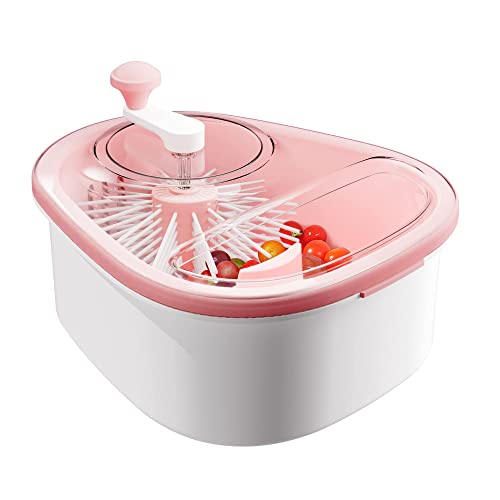
[JOYLOOP] A GAME CHANGER KITCHEN GADGET: JOYLOOP is an innovative unique kitchen tool that makes hands-free fruit cleaning possible, as well as more easier, visible and healthier. JOYLOOP - new fruit cleaning device, features creative spinning vortex wash mode, to scrub every single fruit quickly and thoroughly

ERGONOMIC HANDLE: Potato scrubber brush - comfortable grip design with convenient hanging hole for easy storage and quick drying between uses
Health Reasons
Ensuring that you wash raspberries before eating is crucial for safeguarding your health. These delicate fruits can harbor bacteria, dirt, and other contaminants that may lead to foodborne illnesses if consumed unwashed. By rinsing raspberries thoroughly, you reduce the risk of ingesting harmful pathogens and protect yourself from potential health issues.
Removing Pesticides and Chemicals
Another vital reason to wash raspberries is to eliminate any residues of pesticides and chemicals used during cultivation. Washing the berries helps remove these unwanted substances, promoting a safer eating experience. This simple step not only enhances the fruit’s cleanliness but also minimizes your exposure to potentially harmful compounds present on the surface of the berries.
Remember, by incorporating this quick practice into your routine, you’re not only ensuring a safer consumption experience but also preserving the natural goodness of raspberries for your enjoyment.
How to Properly Wash Raspberries
When it comes to enjoying raspberries, ensuring they are clean before eating is crucial for your health and safety. Here’s how you can properly wash raspberries using two effective methods:
Recommended Products

SMOOTH INTERIOR: Smooth surface is gentle on delicate berry flesh to minimize bruising and bursting. Keep your berries fresh, sweet, and whole while rinsing away residue. Rinse berries without damaging the delicate skin.

RINSE, STORE, SERVE - The perfect container for washing and storing berries, fruits & small vegetables. Includes 1 quart berry strainer, a berry bowl & clear cover. Bowls are assorted colors (you will either receive a red or green set).

Inomata Rice Washing Speed Bowl is specially designed with a solid bottom and side drain for soaking and washing rice before cooking
Quick Rinse Method
To quickly rinse your raspberries, follow these simple steps:
- Place the raspberries in a colander or strainer.
- Gently rinse them under cold running water.
- Lightly swirl the berries around with your fingers to ensure all surfaces are cleaned.
- Drain excess water by gently shaking the colander.
This method is ideal for a fast yet efficient clean without soaking the berries for an extended period.
Soaking Method
If you prefer a more thorough cleaning method, consider soaking your raspberries:
- Fill a bowl with cold water.
- Immerse the raspberries in the water and gently swish them around.
- Let them soak for about 5 minutes to allow any dirt or residue to loosen.
- Drain the water and rinse the berries under running water again.
- Pat them dry gently with a paper towel or kitchen cloth before consuming.
The soaking method helps remove any stubborn dirt or residues that may be present on the surface of the berries, ensuring a more comprehensive clean.
Common Misconceptions About Washing Raspberries
When it comes to washing raspberries, there are some common misconceptions that you should be aware of to ensure you’re handling your berries correctly. Let’s debunk a few myths for a better understanding.
Nutrient Loss
Washing raspberries does not necessarily lead to significant nutrient loss. While there might be minor losses in water-soluble vitamins like vitamin C, the overall impact on nutrients is minimal. The benefits of removing potential contaminants far outweigh any slight reduction in nutrients during the washing process.
Shelf Life Impact
Contrary to popular belief, washing raspberries before consumption can actually help extend their shelf life. By removing dirt, bacteria, and mold spores through proper washing techniques, you can prevent premature spoilage and maintain the freshness of your berries for a longer period. Properly cleaned raspberries tend to last longer in the refrigerator compared to unwashed ones.
Best Practices for Storing Raspberries
When it comes to storing raspberries, following best practices can help maintain their freshness and extend their shelf life. Here are some simple yet effective tips for storing your raspberries:
1. Storage Container:
- Use a shallow container lined with paper towels to absorb excess moisture and prevent the berries from becoming soggy.
- Avoid stacking the raspberries too high as this can lead to crushing and faster spoilage.
2. Refrigeration:
- Store your raspberries in the refrigerator at around 32-34°F (0-1°C) to keep them fresh.
- Do not wash the berries before refrigerating them as excess moisture can promote mold growth.
3. Air Circulation:
- Ensure proper air circulation around the raspberries by poking small holes in the storage container or using a breathable produce storage bag.
- Handle raspberries gently to prevent bruising, which can accelerate spoilage.
By following these best practices, you can ensure that your raspberries stay fresh, flavorful, and safe to eat for an extended period. Proper storage techniques play a crucial role in preserving the quality of your berries, allowing you to enjoy them at their best.
Conclusion
Remember, washing your raspberries before eating is a simple yet crucial step in ensuring their safety and freshness. By following the recommended washing methods and storage tips outlined in this article, you can enjoy delicious raspberries without worrying about harmful contaminants or premature spoilage. Keep in mind that proper washing not only removes unwanted substances but also helps maintain the berries’ natural goodness for a longer period. So, next time you reach for those vibrant red raspberries, take a moment to give them a quick rinse or soak to savor every juicy bite with peace of mind. Happy snacking!
Frequently Asked Questions
Why is washing raspberries important?
Washing raspberries is crucial to eliminate bacteria, dirt, contaminants, pesticides, and chemicals, reducing the risk of foodborne illnesses.
What are the two effective methods for washing raspberries?
The Quick Rinse Method and the Soaking Method are two effective ways to wash raspberries thoroughly.
Does washing raspberries lead to nutrient loss?
Contrary to common belief, washing raspberries does not result in significant nutrient loss. It can actually help extend their shelf life by removing potential contaminants.
How can proper washing techniques benefit raspberry freshness?
Proper washing techniques can prevent premature spoilage and maintain the freshness of raspberries for a longer period, promoting a safer eating experience and preserving their natural goodness.
What are some best practices for storing raspberries?
Storing raspberries in a shallow container lined with paper towels, refrigerating them at the right temperature, ensuring air circulation, and handling them gently can help maintain their freshness, flavor, and safety for an extended period.
