

Do you ever wonder why your raspberry plants aren’t thriving as expected? Picture this: you’ve diligently planted your raspberry bushes, eagerly waiting for a bountiful harvest, only to be met with disappointing results. The secret might just lie beneath the surface – in the soil they’re planted in.
In this article, we’ll explore the crucial role that soil plays in the success of your raspberry plants. By understanding what type of soil raspberries need, you can unlock the key to vibrant growth and delicious fruit. So, if you’re ready to elevate your gardening game and cultivate flourishing raspberry bushes, stick around to discover how the right soil can make all the difference.
Key Takeaways
- Raspberries thrive in slightly acidic soil with a pH level between 5.5 and 6.5 for optimal growth.
- Soil texture is crucial, with well-draining loamy soil rich in organic matter promoting healthy root development.
- Adjusting soil pH levels and improving soil structure create an ideal environment for raspberry bushes to flourish.
- Key macro and micro-nutrients like nitrogen, phosphorus, potassium, calcium, magnesium, and iron are essential for raspberry growth.
- Choose between organic fertilizers for long-term soil health benefits or chemical fertilizers for immediate nutrient absorption based on your gardening goals.
- Address common soil issues like compacted soil through aeration, mulching, and avoiding heavy machinery to ensure healthy raspberry plants.
Understanding Raspberry Soil Requirements
When it comes to cultivating healthy raspberry plants, understanding the specific soil requirements is crucial. Here’s a breakdown of key factors that influence the growth and productivity of your raspberry bushes.
The Importance of Soil pH
Raspberries thrive in slightly acidic soil with a pH level between 5.5 and 6.5. This acidity range provides an optimal environment for nutrient uptake, essential for robust plant development. Testing your soil’s pH using a simple kit from your local gardening store can help you adjust it accordingly.
Soil Texture and Drainability
The texture of the soil plays a vital role in raspberries’ growth. A well-draining loamy soil rich in organic matter promotes healthy root development and prevents waterlogging, which can lead to root rot. Ensure your soil has good drainage by amending it with compost or peat moss if necessary.
By addressing these fundamental aspects of soil quality, you can create an ideal growing environment for your raspberry plants, setting the stage for bountiful harvests and thriving bushes.
Optimizing Soil Conditions for Raspberries
To ensure your raspberry plants thrive, it’s essential to optimize the soil conditions. Here are key aspects to consider:
Recommended Products
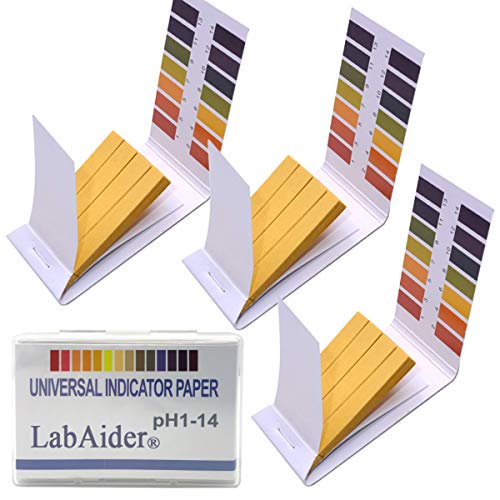
Paper Size: 45mm x 7mm (L x W), Comes with 3 Pack(240 pH Strips) and 1 Storage Case.

Quick, at home results for Soil pH, Nitrogen, Phosphorous and Potash Innovative and inexpensive soil test kit features an easy-to-use capsule system and patented color comparators

Comprehensive Soil Analysis: Liquid soil test kits offer a comprehensive analysis of essential soil parameters, including pH, ammonia, nitrogen, phosphorus, and potassium. Having all these measurements in one kit provides a holistic understanding of the soil's fertility and health.
Adjusting Soil pH
Maintaining slightly acidic soil with a pH level between 5.5 and 6.5 is crucial for raspberries. This acidity range promotes efficient nutrient uptake, enabling your plants to access essential minerals like potassium and phosphorus easily.
Improving Soil Structure
Enhancing soil structure is vital for healthy root development in raspberry plants. Loamy soil with good drainage prevents waterlogging, ensuring optimal aeration that roots need to grow strong and support the plant effectively.
By adjusting the pH levels and improving the structure of your soil, you create an ideal environment for your raspberry bushes to flourish, leading to bountiful harvests year after year.
Key Nutrients for Raspberry Growth
To ensure your raspberry plants thrive, it’s crucial to provide them with the essential nutrients they need. Here’s a breakdown of the key macro and micro-nutrients vital for the growth and fruitfulness of your raspberry bushes:
Recommended Products

A Natural fertilizer blended especially for acid lovers such as rhododendrons, azaleas, camellias, hydrangeas, evergreens, blueberries, raspberries, strawberries, potatoes and other plants that need a low pH

This fertilizer is blended especially for acid lovers such as rhododendrons, azaleas, camellias, hydrangeas, evergreens, blueberries, raspberries, strawberries, potatoes and other plants that need a low pH

Promotes Abundant Berry Harvests: True Organic Berry Food supports the growth of juicy, organic fruits on berry plants and other acid-loving plants.
Essential Macro and Micro-Nutrients
- Nitrogen: This nutrient is essential for overall plant growth, leaf development, and vibrant green foliage. Lack of nitrogen can lead to stunted growth and yellowing leaves. You can apply a nitrogen-rich fertilizer in early spring to support healthy plant growth.
- Phosphorus: Phosphorus aids in root development, flower formation, and fruit production. It plays a vital role in energy transfer within the plant. Adding a phosphorus-heavy fertilizer at planting time can encourage strong root establishment.
- Potassium: Potassium contributes to disease resistance, water uptake, and overall plant vigor. It helps regulate many physiological processes within the raspberry plants. Consider using a potassium-rich fertilizer during the growing season to promote robust growth.
- Calcium: Calcium is crucial for cell wall structure and strength in plants. It also helps prevent disorders like blossom end rot in fruits. Incorporating calcium supplements or lime into the soil can ensure your raspberries receive an adequate supply of this nutrient.
- Magnesium: Magnesium is vital for photosynthesis, enzyme activation, and chlorophyll production in plants. A deficiency in magnesium can manifest as yellowing between leaf veins or leaf curling. Epsom salt application is a common way to boost magnesium levels in raspberry plants.
- Iron: Iron is necessary for chlorophyll synthesis and overall plant health. An iron deficiency may result in yellowing leaves with green veins (chlorosis). You can address iron deficiencies by applying chelated iron solutions directly to the foliage or soil.
Organic Versus Chemical Fertilizers
When choosing fertilizers for your raspberry plants, you have two primary options: organic fertilizers derived from natural sources or chemical fertilizers manufactured synthetically:
- Organic Fertilizers: These fertilizers are made from natural materials such as compost, manure, bone meal, or seaweed extracts.
- They improve soil structure over time.
- They release nutrients slowly as they decompose.
- They enhance microbial activity in the soil.
- Chemical Fertilizers: These fertilizers contain specific concentrations of nutrients formulated for quick absorption by plants.
- They deliver nutrients rapidly to meet immediate plant needs.
- They allow precise control over nutrient ratios.
- Overuse may lead to salt buildup in the soil over time.
Choosing between organic and chemical fertilizers depends on your gardening philosophy, environmental concerns, desired speed of results, and long-term soil health goals for your raspberry patch.
Common Soil Issues and Solutions
Dealing with Compacted Soil
If you notice that your raspberry plants are struggling to grow or produce fruit, compacted soil might be the culprit. Compacted soil restricts root growth and inhibits proper water drainage, leading to poor plant health. To address this issue:
- Aeration: Use a garden fork or aeration tool to loosen the soil gently around the raspberry bushes. This process allows air, water, and nutrients to penetrate deeper into the ground, promoting healthier root development.
- Mulching: Apply organic mulch such as straw or wood chips around the base of the plants. Mulch helps improve soil structure over time by preventing compaction from external factors like heavy rain.
- Avoid Heavy Machinery: Steer clear of driving heavy machinery over the raspberry planting area as it can significantly compact the soil.
Addressing Over or Under-Watering Challenges
Proper watering is crucial for raspberry plants’ growth and productivity. Both over-watering and under-watering can negatively impact their health and yield. Here’s how you can tackle these challenges effectively:
- Monitoring: Keep an eye on the moisture levels in the soil by checking it regularly with a moisture meter or simply feeling the topsoil with your fingers.
- Establish Watering Schedule: Develop a consistent watering schedule based on weather conditions and plant needs. Water deeply but infrequently to encourage deep root growth.
- Improving Drainage: If you tend to over-water or experience waterlogging issues, consider amending your soil with organic matter like compost to enhance drainage capabilities.
Recommended Products

【REVIVE COMPACTED LAWN SOIL】This lawn aerator tool helps loosen compacted soil and thatch so air, water and nutrients can reach the root system more effectively—promoting thicker, greener and healthier grass growth

Adjustable Size: The 11.5* 5 inch Aerator Shoes fit for women's shoe size 6-10, men's shoe size 6-9, with 3 adjustable Velcro straps wrapped around your heel and attach with hook-and-loop fasteners, no slipping and loosing.

3 Special Coring Tines: Walensee lawn plug aerator is equipped with 3 tines featuring a tapered, beveled round tube design. The diameter gradually increases from small to large, followed by a straight tube, allowing the tool to smoothly penetrate the soil up to 4 inches and reduce the risk of clogging. This design also helps expel any old soil trapped inside the tube when the aerator is pulled out, ensuring both old and new soil are efficiently removed for a cleaner, more effective aeration.
Conclusion
Ensuring the right soil conditions for your raspberry plants is crucial for their overall health and productivity. By maintaining slightly acidic soil, good drainage, and providing essential nutrients, you can promote optimal growth. Addressing common soil issues like compaction and improper watering through aeration, mulching, and monitoring moisture levels will help you cultivate thriving raspberry bushes and enjoy bountiful harvests. Remember, proper soil management is key to supporting your raspberry plants throughout their growth cycle.
Frequently Asked Questions
Why is soil pH important for raspberry plants?
Maintaining slightly acidic soil with a pH between 5.5 and 6.5 is crucial for raspberry plants as it helps in nutrient absorption and prevents nutrient deficiencies.
What are the essential nutrients required for raspberry plant growth?
Raspberry plants require macro-nutrients like nitrogen, phosphorus, and potassium, along with micro-nutrients such as iron, magnesium, and calcium for healthy growth and fruit production.
How can compacted soil affect raspberry plants?
Compacted soil restricts root development, leading to poor nutrient uptake and waterlogging issues that can stunt growth and reduce fruit yield in raspberry plants.
Over-watering can lead to root rot, fungal diseases, and poor aeration in the soil, negatively impacting the health and vigor of raspberry plants.
How can under-watering affect raspberry bushes?
Under-watering can cause stress to raspberry plants, resulting in wilting leaves, reduced fruit size, and decreased overall productivity due to insufficient moisture levels.
