

Wondering when the perfect time is to plant cucamelons in your garden? Picture this: you’re eager to start your gardening journey and looking for guidance on when to kickstart the cucamelon planting process. Well, you’re in luck! This article is here to provide you with all the essential information you need to know about the ideal timing for planting these unique and delicious fruits.
Have you ever found yourself unsure about when exactly to sow cucamelon seeds? You’re not alone. Many aspiring gardeners face this dilemma, but fret not – we’ve got you covered. In just a few moments, you’ll discover the best practices for planting cucamelons that will set you up for a successful harvest.
By reading further, you’ll learn valuable insights on the optimal timing for planting cucamelons, ensuring that your gardening endeavors yield a bountiful crop. Get ready to elevate your gardening game and enjoy the satisfaction of growing your own cucamelons at home.
Key Takeaways
- Cucamelons, also known as “Mexican sour gherkin,” are easy to grow, productive, and have a unique flavor profile resembling a mix of cucumber and lime.
- The optimal time for planting cucamelons is late spring or early summer when soil temperatures are warm (around 70°F) and there is no risk of frost.
- To prepare for planting cucamelons successfully, choose well-draining soil rich in organic matter, gather necessary tools like a garden trowel and watering can, and consider using support structures such as trellises.
- When planting cucamelon seeds or transplants, ensure proper spacing (12 inches between seeds), consistent moisture levels in the soil, full sunlight exposure, and follow guidelines for transplanting seedlings carefully.
- Post-planting care includes maintaining consistent soil moisture without waterlogging (about 1 inch of water per week), fertilizing with organic fertilizer every 3-4 weeks during the growing season, and implementing natural pest management techniques like companion planting or neem oil spray.
Understanding Cucamelons
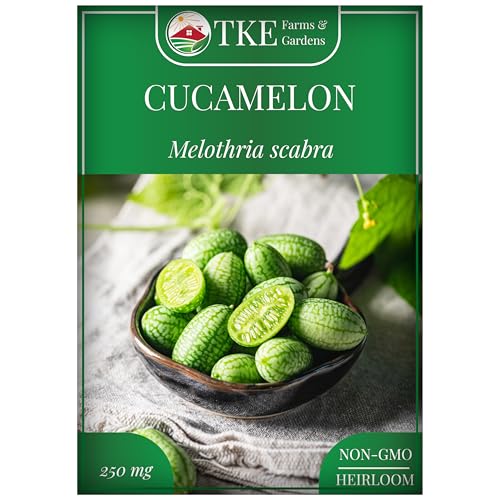
Cucamelons, also known as “Mexican sour gherkin” or “mouse melon,” are tiny fruits that resemble a miniature watermelon with a citrusy cucumber flavor. These grape-sized fruits are native to Mexico and Central America, making them a unique addition to your garden.
What Are Cucamelons?
Cucamelons belong to the cucurbit family, similar to cucumbers and melons. They have a crunchy texture and a refreshing taste, often described as a combination of cucumber and lime. These vines produce an abundance of fruit, perfect for snacking, pickling, or adding a zesty twist to salads.
- Low Maintenance: Cucamelons are easy to grow and require minimal care once established. They are resistant to pests and diseases, making them ideal for beginner gardeners.
- Productivity: Despite their small size, cucamelon plants yield a significant harvest throughout the growing season. You can enjoy a continuous supply of these flavorful fruits for various culinary uses.
- Unique Flavor Profile: The tangy flavor of cucamelons adds depth to dishes and beverages. Use them in cocktails, salsas, or eat them fresh for a burst of citrusy goodness.
- Decorative Vine: Cucamelon plants feature delicate tendrils and foliage that enhance the visual appeal of your garden or patio space. Consider growing them on trellises or in hanging baskets for an aesthetic touch.
By understanding the characteristics and benefits of cucamelons, you’ll be better equipped to cultivate these charming fruits in your garden successfully.
Optimal Time for Planting Cucamelons
When considering the optimal time for planting cucamelons in your garden, several factors influence the decision. Understanding these factors will help you determine the best season to plant and ensure a successful harvest.
Recommended Products

High Germination Rate: cucamelons seeds sprout in 10-14 days at 70 °F, Full sun, Start inside 4 weeks before last frost or outdoors in warm soil. Sow 1/4" deep, space 9-12" apart – perfect climbing cucumber seeds for patio or vegetable garden.

Beautiful – Large premium packet of Cucamelon (Melothria scabra) seeds. Also known as Mexican Sour Gherkin, cucamelon is a unique, vining plant that produces small, cucumber-like fruits with a tangy, citrusy flavor. Perfect for pickling, salads, or snacking, these little fruits are a fun addition to any garden. Minimum of 200 mg per packet (about 65 seeds).

Appearance: Cucamelons, or "Mexican sour gherkins," are tiny, grape-sized fruits that look like miniature watermelons, featuring a green skin with white stripes.
Factors Influencing Planting Time
To achieve the best results when planting cucamelons, it’s essential to consider the following factors:
- Soil Temperature: Cucamelon seeds germinate best in warm soil temperatures of around 70°F (21°C). Wait until after the last frost date in your area before planting to ensure soil warmth.
- Daylight Hours: Cucamelons thrive in long daylight hours. Plant them when days are longer and nights are shorter for optimal growth.
- Weather Conditions: Avoid planting cucamelons during periods of extreme heat or cold. Aim for stable weather conditions to promote healthy plant development.
Best Season to Plant
The best season to plant cucamelons is typically late spring or early summer when soil has warmed up, and there is no risk of frost. In most regions, this translates to planting cucamelon seeds outdoors after all danger of frost has passed.
By adhering to these guidelines and considering the factors that influence planting time, you can increase your chances of a bountiful cucamelon harvest in your garden.
Preparing for Planting
When getting ready to plant cucamelons in your garden, there are a few key steps you should take to ensure a successful harvest. Here’s what you need to consider:
Recommended Products

Plants Trellis Indoor Set: The package includes 2 packs of garden trellises and 50 plant ties, the size of the plant stakes are about 12.6 inches * 5.7 inches / 32 cm * 14.5 cm, and the length of the plant ties is 5.9 inches / 15 cm

High-quality material: Our tomato twist stake trellis is made of high-quality steel wire with coating on the surface, smooth to the touch, and not easy to rust after long-term use. Sturdy steel wire is not easy to break and bend, enough to provide stable support for plants

🌹2 in 1 Garden Trellis -- Our plant trellis can be configured into 2 types of trellising (panel trellis & plant cage), and you also can place 2 or most panels together to form a larger trellis panel or cage. Adjustable structure plant stakes can meet your different plant supports need.
Choosing the Right Soil
For cucamelons to thrive, it’s essential to select well-draining soil that is rich in organic matter. A loamy soil type works best, providing good aeration and moisture retention for healthy root development. Aim for a slightly acidic to neutral pH level around 6.0-7.0 for optimal growth.
Necessary Tools and Equipment
Before planting cucamelon seeds or transplants, gather the following tools and equipment:
- Garden Trowel: Use this tool for digging small holes or furrows in the soil.
- Watering Can or Hose: Ensure easy access to water for regular irrigation.
- Mulch: Consider using mulch around the plants to retain moisture and suppress weeds.
- Support Structures: As cucamelons are vine plants, having trellises or stakes will help support their growth.
- Organic Fertilizer: Opt for a balanced fertilizer high in nitrogen to promote healthy foliage and fruit production.
By preparing your soil correctly and having the necessary tools on hand, you’ll set yourself up for success when planting cucamelons in your garden.
Step-by-Step Planting Process
Starting your cucamelon garden is an exciting journey. Follow the step-by-step guide below to ensure a successful planting process.
Recommended Products

UNIQUE MINI FRUIT VARIETY - Cucamelon seeds grow grape sized fruits that look like tiny watermelons with a crisp cucumber flavor, fun to eat fresh pickle or add to salads
EASY TO GROW - INSTRUCTIONS INCLUDED: Perfect for both beginners and experienced gardeners, these cucamelon seeds are easy to grow. With straightforward instructions, you’ll cultivate a lush crop of bite-sized fruits—great for snacking straight off the vine or adding a twist to dishes.

VARIETY: Cucamelon seeds (Melothria Scabra) produce unique grape-sized fruits that look like tiny watermelons and taste like cucumber with a tangy citrus twist
Seed Sowing
After choosing the right soil and gathering your tools, it’s time to sow the cucamelon seeds. Here’s how you can do it:
- Prepare the Soil: Ensure the soil is well-draining and rich in organic matter.
- Planting Depth: Place the seeds about 1 inch deep into the soil.
- Spacing: Leave around 12 inches between each seed to allow ample room for growth.
- Watering: Keep the soil consistently moist but not waterlogged.
- Sunlight: Find a sunny spot as cucamelons thrive in full sunlight.
Transplanting Seedlings
Transplanting seedlings is a crucial step in ensuring healthy cucamelon plants. Here are simple guidelines to follow:
- Seedling Development: Wait until your seedlings have at least two sets of true leaves before transplanting.
- Soil Preparation: Dig holes slightly larger than the root ball of each seedling.
- Transplant Carefully: Gently remove seedlings from their containers and place them in the holes.
- Support Structures: Install trellises or other support structures for vertical growth.
- Watering Schedule: Maintain a regular watering schedule post-transplantation to help establish strong roots.
Post-Planting Care
After planting your cucamelons, it’s crucial to provide proper care to ensure healthy growth and a bountiful harvest. Let’s delve into essential post-planting practices that will help your cucamelon plants thrive.
Watering and Fertilizing
Watering: Keep the soil consistently moist but not waterlogged. Aim for about 1 inch of water per week, adjusting based on rainfall and temperature. Ensure even moisture levels to support robust growth.
Fertilizing: Feed your cucamelon plants with organic fertilizer every 3-4 weeks during the growing season. Choose a balanced fertilizer or one specifically formulated for fruiting vines. Follow package instructions for application rates.
Pest Management
Prevention is key when it comes to pests that can damage your cucamelon plants. Inspect your plants regularly for signs of pests like aphids, spider mites, or cucumber beetles. Here are some natural pest management techniques:
- Companion Planting: Grow companion plants like marigolds or nasturtiums near your cucamelons to deter pests.
- Handpicking: Remove any visible pests by hand and drop them into a bucket of soapy water to prevent further infestation.
- Neem Oil Spray: Use a neem oil spray as a natural insecticide. Mix according to instructions and apply directly onto affected areas.
By staying vigilant with watering, fertilizing, and implementing effective pest management strategies, you’ll set the stage for healthy cucamelon plants that yield an abundance of crisp fruits for you to enjoy in salads or as tasty snacks straight from the vine.
Conclusion
Now that you’ve learned about the optimal timing and steps involved in planting cucamelons, you’re well-equipped to start your own cucamelon garden. By following the advice on soil preparation, seed sowing, transplanting, and post-planting care, you can nurture healthy cucamelon plants and look forward to a successful harvest. Remember to provide the necessary support structures for vertical growth and maintain a regular watering schedule to help your cucamelons thrive. With these guidelines in mind, you’re on your way to enjoying the unique flavor of homegrown cucamelons straight from your garden. Happy planting!
Frequently Asked Questions
When is the best time to plant cucamelons?
Plant cucamelons in late spring after the last frost when soil temperatures reach 70°F for optimal growth.
What tools and equipment do I need for planting cucamelons?
Gather a garden trowel, watering can, mulch, support structures like trellises or stakes, and organic fertilizer.
How do I plant cucamelon seeds?
Sow seeds directly into well-draining soil at a depth of 1 inch and space them 6 inches apart.
What are the sunlight requirements for growing cucamelons?
Cucamelons thrive in full sun exposure of at least 6-8 hours daily for healthy growth and fruit production.
How do I care for cucamelon seedlings post-transplantation?
Water regularly to maintain soil moisture levels, provide organic fertilizer every two weeks, and monitor for pests.
