

Have you ever wondered how often you should water your raspberries for optimal growth and juicy fruits? Picture this: you’ve planted your raspberry bushes with care, but now you’re unsure about the right watering routine to keep them thriving. In this article, we’ll explore the simple yet crucial aspect of watering raspberries to help you achieve a bountiful harvest.
By understanding the correct watering frequency for raspberries, you can ensure that your plants receive the moisture they need without overdoing it. This knowledge not only promotes healthy growth but also enhances fruit production, giving you delicious berries to enjoy throughout the season. Stay tuned as we share practical tips on how to water your raspberry plants effectively and maximize their yield.
Key Takeaways
- Understand the water requirements of raspberry plants, considering factors like weather conditions, soil type, and growth stage.
- Recognize signs of both underwatering (wilting leaves, slow growth) and overwatering (yellow leaves, mold growth) to maintain plant health.
- Follow seasonal watering guidelines for raspberries: increase frequency in spring/summer and decrease in fall/winter to prevent issues like root rot.
- Use best practices such as watering at the base of plants, applying mulch for moisture retention, irrigating in the morning, using drip systems instead of overhead sprinklers.
- Choose efficient irrigation systems like drip or soaker hoses for raspberry plants; maintain equipment regularly to ensure consistent water supply without wastage.
- Avoid common mistakes like neglecting regular watering, overwatering which can lead to root rot, watering from above causing fungal diseases, and providing inconsistent amounts of water.
Understanding Raspberry Water Requirements
To ensure your raspberry plants thrive, it’s essential to grasp their water needs. Factors affecting water requirements and recognizing signs of underwatering or overwatering are crucial for successful raspberry cultivation.
Factors Affecting Water Needs
Understanding the variables influencing how much water raspberries require is key. Factors like weather conditions, soil type, plant age, and growth stage all play a role in determining the watering frequency.
Signs of Underwatering and Overwatering
Recognizing signs of inadequate or excessive watering is vital for maintaining healthy raspberry plants. Wilting leaves, slow growth, and dry soil indicate underwatering, while yellow leaves, mold growth, or root rot may signal overwatering issues.
Best Practices for Watering Raspberries
When it comes to watering raspberries, following best practices is essential for promoting healthy growth and maximizing fruit production. Here are some tips to help you effectively water your raspberry plants:
Recommended Products
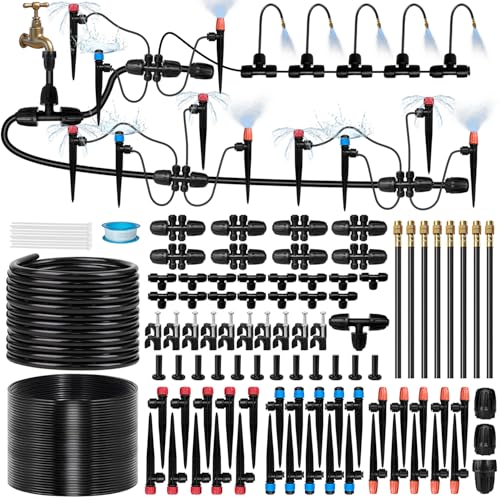
【Upgraded Tube Design & Water Saving】 Our garden watering system is upgraded to 1/2” diameter to support high water pressure. The 1/2” tee connector allows seamless splitting into 2 independent zones for customized watering schedules. By delivering moisture directly to root zones, this drip Irrigation system significantly reduces evaporation and runoff—saving more water compared to conventional sprinklers while eliminating the need for manual watering.

NO MORE HARD INSTALLATION - SET UP IN MINUTES. Tired of struggling with stiff barbed fittings? This drip irrigation system features quick-connect fittings that let you push, lock, and secure tubing effortlessly. No tools, no leaks, just a smooth setup experience. Enjoy a frustration-free installation and get your garden watering system running in minutes.
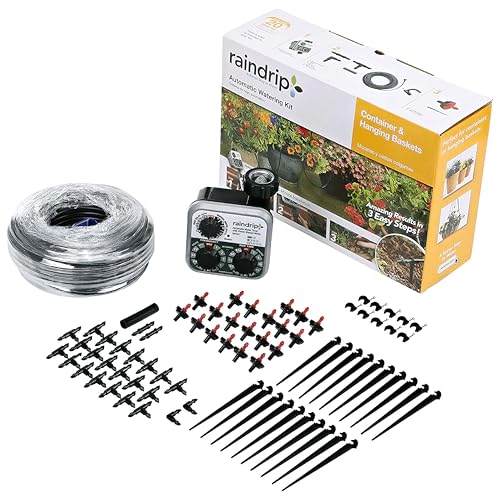
Save Time and Effort: This Raindrip drip irrigation kit includes everything you need to create a drip watering system for potted plants and precisely water up to twenty plants, saving time and effort while keeping your garden healthy
Seasonal Watering Guide
In the spring and summer months, when raspberry plants are actively growing and producing fruit, they require more frequent watering. Aim to provide about 1-2 inches of water per week, either through rainfall or manual irrigation. Monitor the soil moisture levels regularly by checking the top few inches of soil – if it feels dry to the touch, it’s time to water.
During the fall and winter, when raspberry plants go dormant, reduce watering frequency. Only water if there has been an extended period without rain or snow. Overwatering during dormancy can lead to root rot and other issues.
- Water at the Base: When watering raspberries, focus on delivering water at the base of the plants rather than overhead spraying. This helps prevent leaf diseases and ensures that the roots receive adequate moisture.
- Mulch: Apply a layer of organic mulch around raspberry plants to help retain soil moisture and reduce evaporation. Mulching also helps regulate soil temperature and suppresses weed growth.
- Morning Watering: It’s best to water your raspberries in the morning to allow foliage time to dry out during the day. Wet foliage overnight can promote fungal diseases.
- Drip Irrigation: Consider using drip irrigation systems for efficient and targeted watering. Drip systems deliver water directly to the root zone, minimizing waste from runoff or evaporation.
- Avoid Overhead Sprinklers: Refrain from using overhead sprinklers for watering raspberries as they can wet foliage excessively, increasing susceptibility to diseases.
By following these seasonal guidelines and employing effective watering techniques, you can ensure that your raspberry plants receive adequate moisture for healthy growth and abundant fruit production.
Tools and Equipment for Irrigation
When it comes to watering your raspberry plants efficiently, choosing the right irrigation system is crucial. Here are some key considerations:
Recommended Products
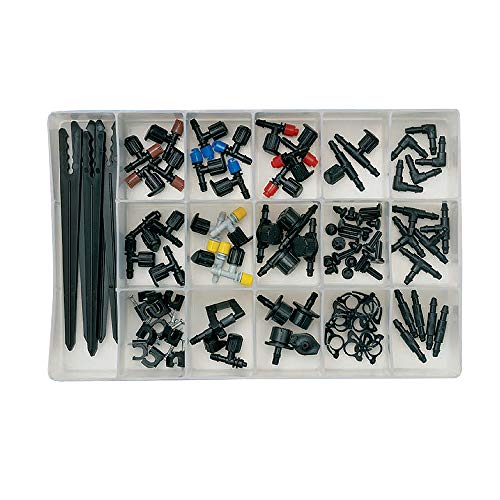
For optimizing plant health by applying water directly at the plant roots

Kit converts a pop-up sprinkler spray head into a water-saving Drip emitter system

Connects 1/2" Dip tubing to any 3/4" male pipe threaded faucet or garden hose
Choosing the Right Irrigation System
For raspberry plants, drip irrigation systems are highly effective. These systems deliver water directly to the base of the plants, ensuring efficient water usage by minimizing evaporation and runoff.
Opting for a soaker hose is another excellent choice. It allows water to seep slowly into the soil, promoting deep root growth and reducing surface evaporation.
Consider installing a timer on your irrigation system. This will help you regulate watering schedules, ensuring your raspberry plants receive consistent moisture without overwatering.
Maintenance Tips for Irrigation Equipment
Regularly check your irrigation system for leaks or clogs. Addressing these issues promptly will prevent water wastage and ensure that your raspberry plants receive an adequate supply of water.
Clean your irrigation equipment, such as drip lines or hoses, at the beginning and end of each growing season. This maintenance routine helps prevent blockages and ensures uniform water distribution across all your raspberry plants.
Inspect valves and connectors for any signs of wear and tear. Replace damaged parts promptly to maintain optimal performance and prevent water loss.
By selecting the right irrigation system and maintaining it properly, you can ensure that your raspberry plants receive the correct amount of water they need to thrive throughout the growing season.
Common Mistakes in Watering Raspberries
To ensure the optimal growth and fruit production of your raspberry plants, it’s crucial to avoid common watering mistakes that can hinder their development. Here are some pitfalls to watch out for:
- Neglecting Regular Watering: Skipping regular watering sessions can lead to stress on raspberry plants, affecting their overall health and productivity. Remember to establish a consistent watering schedule based on weather conditions and plant needs.
- Overwatering: While raspberries require adequate moisture, overwatering can be detrimental. Excessive waterlogged soil can suffocate the roots, leading to root rot and other issues. Ensure proper drainage and monitor soil moisture levels regularly.
- Watering from Above: Watering raspberries from above with sprinklers or hoses may result in wet foliage, increasing the risk of fungal diseases. It’s best to water at the base of the plants to deliver moisture directly to the roots.
- Inconsistent Watering: Providing uneven amounts of water can cause stress on raspberry plants, leading to fluctuations in growth and fruit quality. Aim for consistent watering throughout the growing season for optimal results.
By avoiding these common mistakes in watering raspberries, you can promote healthy plant growth, robust fruit production, and overall success in cultivating delicious berries in your garden.
Conclusion
Now that you’re equipped with the know-how of watering raspberries, you’re on your way to nurturing thriving plants and enjoying a bountiful berry harvest. Remember, understanding the specific water needs of your raspberry bushes is key to their overall health and productivity. By following the seasonal watering guidelines, implementing effective irrigation methods, and steering clear of common watering blunders, you’ll set yourself up for success in your raspberry-growing journey. With a little attention to detail and some tender loving care, your raspberry patch is sure to flourish. Happy gardening!
Frequently Asked Questions
What are the key factors to consider when watering raspberry plants?
Raspberry plants’ water requirements depend on weather conditions, soil type, and growth stage. It’s crucial to adjust watering based on these factors for optimal plant health and fruit production.
How can I effectively water my raspberry plants throughout the seasons?
During the growing season, aim to provide 1-2 inches of water per week, adjusting based on rainfall. Mulching around plants helps retain moisture and reduce evaporation. Drip irrigation is also a recommended method for consistent watering.
What is the significance of selecting the right irrigation system?
Choosing an appropriate irrigation system ensures that raspberry plants receive water evenly and consistently. This promotes healthy root development and overall plant growth.
What common watering mistakes should I avoid when caring for raspberry plants?
Avoid neglecting regular watering schedules, overwatering, using overhead methods that wet foliage instead of roots, or providing inconsistent amounts of water. Consistent and adequate hydration is key to successful berry cultivation.
