

Have you ever wondered how to properly prune your raspberry bushes as the fall season approaches? Picture this: your raspberry patch thriving with vibrant green leaves and plump fruits, but without the right pruning techniques, the upcoming winter could leave your plants vulnerable and less productive next year.
Key Takeaways
- Pruning raspberries in the fall is crucial for maintaining plant vigor, improving air circulation, and promoting better fruit production.
- Understanding the difference between primocanes and floricanes is essential for effective pruning practices to ensure a healthy raspberry patch.
- Essential tools for pruning raspberries include sharp pruning shears and protective gear like gardening gloves, long sleeves, pants, and safety glasses.
- When pruning raspberries in the fall, focus on removing dead or damaged canes, cutting floricanes at ground level, thinning out overcrowded areas, and disposing of pruned material safely.
- Proper aftercare post-pruning involves disposing of old canes properly to prevent disease spread and preparing raspberry bushes for winter by adding mulch for insulation.
Understanding Raspberry Pruning Basics
Pruning your raspberry bushes is crucial for their health and productivity, especially as the fall season approaches. Let’s delve into why pruning is essential and explore the different types of raspberry canes to help you master this important gardening task.
Why Pruning is Essential
Pruning raspberries in the fall helps maintain plant vigor, improve air circulation, and promote better fruit production. By removing old or diseased canes, you create space for new growth and reduce the risk of pest infestations. Proper pruning also ensures that nutrients are directed to healthier canes, leading to more abundant harvests in the upcoming growing season.
- Primocanes: These are first-year raspberry canes that grow vigorously but do not bear fruit in their initial year. Primocanes develop into floricanes in subsequent seasons.
- Floricanes: Second-year canes that bear fruit are known as floricanes. After producing berries, these canes die back and should be pruned to make room for new primocanes.
Understanding the distinction between primocanes and floricanes is vital for effective pruning practices. By identifying and managing each type correctly, you’ll ensure a healthy raspberry patch that yields delicious fruits year after year.
Key Tools for Pruning Raspberries
When it comes to pruning raspberries in the fall, having the right tools is essential. Here are the key tools you’ll need:
Recommended Products

Clean, Precision Bypass Cutting up to 1” Diameter – Sharp, forged steel bypass blade delivers smooth, scissor-like cuts through live branches, stems, and green wood up to 1 inch thick, helping reduce plant damage and promote faster, healthier regrowth.

GARDENING ESSENTIAL: Small bypass blade design of Fiskars Floral Pruner has a cut capacity of 1/2 in. and is ideal for light pruning, deadheading & working with cut flowers and floral arrangements
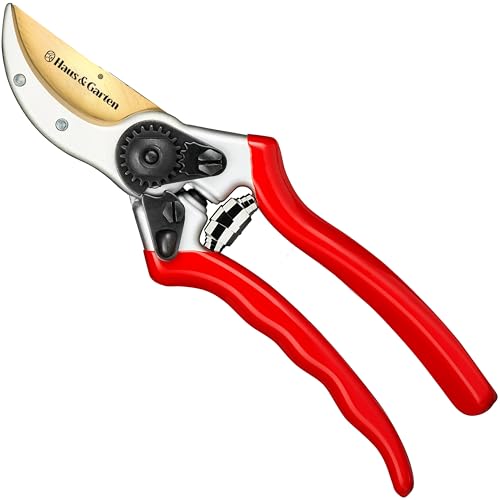
Sharp, Clean Cuts Every Time – Engineered from Japanese grade, high-carbon steel, ClassicPRO bypass pruning shears for gardening stay sharp and make precise cuts that encourage healthy growth and won’t damage your plants
Best Pruning Shears
Sharp pruning shears are your go-to tool for cutting raspberry canes with precision. Look for high-quality bypass pruners that make clean cuts to promote plant health. It’s best to choose shears with a comfortable grip to reduce hand fatigue during extended pruning sessions.
Protective Gear
Protect yourself while pruning raspberries by wearing appropriate gear. Thick gardening gloves will shield your hands from thorns and prevent scratches. Long sleeves and pants offer additional protection against prickly canes. Don’t forget safety glasses to keep your eyes safe from any debris while working on your raspberry bushes.
Equipped with the right tools and protective gear, you’re ready to tackle fall pruning tasks effectively and ensure a bountiful harvest of delicious raspberries next season.
Step-by-Step Guide on How to Prune Raspberries in the Fall
Pruning raspberries in the fall is essential for maintaining plant health and ensuring a fruitful harvest. Here’s how you can do it effectively:
Recommended Products

AMBIDEXTROUS DESIGN: Pruner shape is designed for both right and left-handed use while pruning indoor & outdoor plants such as shrubs, ornamental trees, vines, & flowers like roses; SoftGrip handle reduces hand fatigue & enhances comfort and control

· ULTRA-SHARP SK5 STAINLESS STEEL - Engineered with premium SK5 stainless steel, these heavy duty pruning shears deliver razor-sharp precision and maximum hardness. The rust-resistant blades are designed to stay sharp longer, effortlessly resisting corrosion and sap buildup for smooth, friction-free garden shears performance year after year.

ULTRA SHARP - Much less effort to cut branches with our pruning shears. Crafted from premium SK5 steel with titanium coating, our garden scissors and garden clippers boast exceptional durability and sharpness. A perfect pruning shears for gardening and a must-have garden tool, hedge clippers pruners for gardening
Identifying Canes to Prune
- Identify Primocanes and Floricanes: Look for the differences between primocanes, which are new canes that haven’t borne fruit yet, and floricanes, which are older canes that have already produced fruit.
- Focus on Floricanes: Target the floricanes for pruning as they won’t bear fruit again. These can be identified by their brown, woody appearance compared to the green primocanes.
- Remove Dead Canes: Eliminate any dead or damaged canes to promote healthy growth in your raspberry patch.
- Use Sharp Pruning Shears: Ensure your pruning shears are sharp to make clean cuts without causing damage to the plant.
- Cut at Ground Level: When removing floricanes, cut them at ground level to encourage new growth from the base of the plant.
- Thin Out Canes: Keep a manageable number of canes per plant by thinning out overcrowded areas to improve air circulation and sunlight exposure.
- Dispose of Pruned Material: Safely dispose of pruned material away from your raspberry bushes to prevent disease spread.
By following these steps and techniques, you’ll help your raspberry bushes thrive and prepare them for a productive growing season next year.
Aftercare and Maintenance
After pruning your raspberry bushes in the fall, there are essential steps to ensure their continued health and productivity. Proper aftercare and maintenance practices will set the stage for a successful growing season next year.
Recommended Products

DUAL CUTTING POWER: VERSATILE PRUNING COMBO --- With both Pruning Shears and Pruning Snip, this combo delivers unmatched versatility. Whether you're delicately trimming flowers and shrubs, tackling thicker tree branches, or tending to your vegetable and fruit garden, our combo pack excels in all areas. They're also perfect for landscaping projects and maintaining the health and appearance of indoor plants. With this pack, you have a versatile tool that simplifies your gardening tasks.

REDUCE HAND STRESS- This scissors was made to eliminate the day to day stress that comes from long time pruning with our soft grip handles, sharp stainless steel blades and springless design to allow free movement

【ANTI-SLIP HANDLE DESIGN】: The two-color anti-slip handle of the fruit pruning shears is ergonomically designed made of high purity PP+TRP secondary injection molding. Garden Pruning Shears handle is comfortable to grip and save energy. Garden shears has strong toughness and strength, which provides a strong grip and toughness for long-term use.
Disposing of Old Canes
Once you have pruned the old canes from your raspberry bushes, it’s crucial to dispose of them properly. Avoid leaving pruned material on the ground near your plants, as this can harbor diseases and pests. Instead, collect the old canes and either burn them or place them in a municipal yard waste bin for disposal. By removing these canes promptly, you help prevent potential issues that could affect the new growth in your raspberry patch.
Preparing for Winter
As fall transitions into winter, it’s important to prepare your raspberry bushes for the colder months ahead. After pruning, consider adding a layer of mulch around the base of the plants to protect their roots from freezing temperatures. This mulch layer acts as insulation and helps maintain consistent soil moisture levels during winter dormancy. Additionally, inspect your raspberry patch for any signs of disease or pest infestations before winter sets in, addressing any issues proactively.
By following these aftercare steps post-pruning in the fall, you support the overall health and vitality of your raspberry bushes while ensuring they are ready to thrive when spring arrives.
Conclusion
By following these fall pruning techniques, you’re setting your raspberry bushes up for success in the upcoming growing season. Remember to differentiate between primocanes and floricanes, focusing on removing the spent floricanes to promote new growth. Thinning out canes and proper disposal of pruned material are essential steps to maintain plant vigor and prevent disease issues. Post-pruning care, such as adding mulch for insulation and inspecting for pests or diseases, is crucial for the continued health of your raspberry bushes. With these practices in place, you’ll ensure that your bushes remain productive and healthy year after year. Happy pruning!
Frequently Asked Questions
Q: Why is fall pruning important for raspberry bushes?
A: Fall pruning is crucial to maintain plant vigor, promote growth, and ensure a bountiful harvest by removing old and unproductive canes.
Q: What are primocanes and floricanes in raspberry bushes?
A: Primocanes are first-year canes that do not bear fruit, while floricanes are second-year canes that have already produced fruit.
Q: How should I prune raspberry bushes in the fall?
A: Identify and remove spent floricanes at ground level using sharp pruning shears. Thin out canes for better air circulation.
Q: What should I do with the pruned material?
A: Properly dispose of pruned canes to prevent disease spread. Consider burning or composting them away from the garden area.
Q: How do I care for raspberry bushes after fall pruning?
A: Add mulch around the base of the plants for insulation during winter. Inspect for diseases or pests regularly to maintain plant health.
