

Are you dreaming of a backyard filled with fresh, juicy fruit? You’re not alone. Many Californians want to enjoy homegrown produce but aren’t sure which fruit trees thrive in the Golden State’s diverse climate.
Key Takeaways
- Diverse Climate: California’s Mediterranean and subtropical climates support a wide range of fruit trees, including citrus, stone fruits, apples, avocados, and figs.
- Citrus and Stone Fruits: Citrus trees (like oranges and lemons) thrive with full sun and well-drained soil, while stone fruits (such as peaches and cherries) perform best in warm summers and require winter chilling hours.
- Soil Preparation: Testing soil pH is crucial; most fruit trees thrive in slightly acidic to neutral soil (pH 6.0 to 7.5). Well-draining soil is essential to prevent root rot.
- Regular Care: Consistent watering, regular pruning, and monitoring for pests help improve tree health and maximize fruit yield. Deep watering encourages strong root systems.
- Microclimate Awareness: Understanding local microclimates can significantly influence fruit tree success. Consider specific location factors like frost dates and sunlight exposure when choosing varieties.
- Healthy Practices: Use organic methods for pest control and feed trees with balanced fertilizers in early spring to promote optimal growth and productivity.
Overview Of Fruit Trees In California
California’s climate supports a variety of fruit trees, making it a prime location for homegrown produce. The state offers a combination of Mediterranean and subtropical climates, which influence the types of fruit trees that thrive.
Common Fruit Trees
- Citrus Trees: Orange, lemon, lime, and grapefruit trees flourish in most regions. They require full sun and well-drained soil.
- Stone Fruits: Peaches, apricots, and cherries grow well in California’s warm summers. Soil must be well-drained, and some varieties need winter chilling hours.
- Apple Trees: Varieties like Fuji and Granny Smith adapt well to cooler coastal regions. They prefer full sun and consistent water.
- Avocado Trees: These thrive in warmer areas but need protection from frost. Ensure the soil drains well and keep it consistently moist.
- Fig Trees: Figs grow easily in California’s heat and require minimal water. They do well in poor soil and enjoy full sun.
Factors Influencing Growth
Understanding local microclimates is essential. Coastal areas experience milder temperatures, while inland regions may have hotter summers and colder winters. Always consider your specific location when selecting trees.
- Choose the Right Tree: Select varieties suited for your local climate. Research specific growing requirements.
- Soil Preparation: Test the soil pH before planting. Most fruit trees prefer slightly acidic to neutral pH.
- Watering: Implement a consistent watering schedule, particularly during dry spells. Deep watering encourages strong root systems.
- Pruning: Regular pruning promotes healthy growth and improves air circulation around the branches.
- Pest Management: Monitor for pests and diseases regularly. Use organic methods whenever possible to protect fruit quality.
By focusing on suitable varieties, understanding local conditions, and applying proper care techniques, you enhance your chances of enjoying a productive fruit tree garden.
Popular Fruit Trees
California’s diverse climate supports various fruit trees. Familiarity with popular choices can help you successfully grow your own fruit.
Citrus Trees
Citrus trees thrive in California’s warm climate. Varieties like oranges, lemons, limes, and grapefruits produce juicy fruit. Choose a location with full sun and well-draining soil. Regular watering is essential, especially during dry spells. Prune to maintain shape and encourage growth. Pest control is crucial; watch out for aphids and scale insects.
Stone Fruit Trees
Stone fruit trees, such as peaches, plums, cherries, and apricots, flourish in California. These trees prefer full sun and ample space for air circulation. Plant in well-draining soil to prevent root rot. Water deeply and consistently. Prune in winter to encourage fruiting and remove any dead branches. Keep an eye out for pests like fruit flies and aphids.
Pome Fruit Trees
Pome fruit trees, including apples and pears, also perform well in California. Select varieties suited for your specific region, as some need chill hours to produce fruit. Site these trees in full sun with good air circulation. Use well-draining soil and maintain consistent moisture. Prune during dormancy to promote healthy growth and fruit production. Watch for common pests like codling moths and aphids.
Factors Affecting Growth
Many elements influence the success of fruit trees in California. Understanding these factors helps ensure a fruitful garden.
Climate Considerations
Climate plays a crucial role in fruit tree growth. California’s diverse environment features Mediterranean and subtropical characteristics, affecting tree selection. Most fruit trees need full sun exposure, ideally receiving at least six hours of direct sunlight each day. For example, citrus trees excel in warm areas, while stone fruits prefer regions with cold winters for adequate chilling hours. Pay attention to frost dates in your area to protect sensitive trees.
Soil Type and Preparation
Soil quality impacts fruit tree health. Well-draining soil is essential to prevent root rot. Loamy or sandy soils often provide the best conditions. Before planting, test your soil for pH levels and nutrient content. Most fruit trees thrive in soils with a pH between 6.0 and 7.5. Amending your soil with organic materials, such as compost, enhances its structure and nutrient content. When preparing the planting hole, ensure it’s twice as wide as the root ball but no deeper. This setup supports proper root development.
Tips For Growing Fruit Trees
Growing healthy fruit trees in California requires attention to several key practices. Here’s how to maximize growth and yield in your garden.
Recommended Products
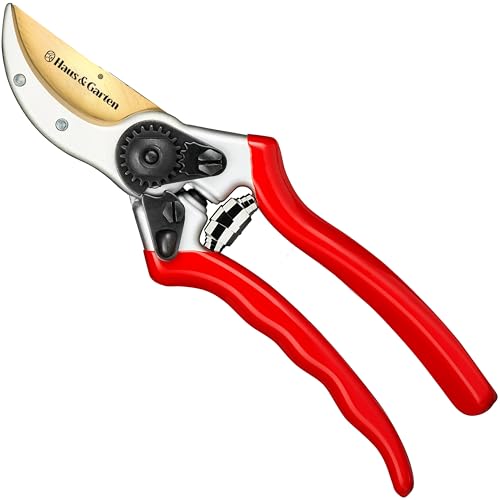
Sharp, Clean Cuts Every Time – Engineered from Japanese grade, high-carbon steel, ClassicPRO bypass pruning shears for gardening stay sharp and make precise cuts that encourage healthy growth and won’t damage your plants

· ULTRA-SHARP SK5 STAINLESS STEEL - Engineered with premium SK5 stainless steel, these heavy duty pruning shears deliver razor-sharp precision and maximum hardness. The rust-resistant blades are designed to stay sharp longer, effortlessly resisting corrosion and sap buildup for smooth, friction-free garden shears performance year after year.

IDEAL BRANCH TRIMMER: 28" Steel blade garden bypass lopper that glides through up to 1.5" thick branches for easy cuts; Works well for trimming tree branches to maintain your yard and garden, and to encourage overall plant health and appearance
Planting Techniques
- Choose the Right Location: Select a site with full sun exposure for at least six hours daily. Avoid shaded areas and frost pockets.
- Prepare the Soil: Test the soil’s pH and nutrient levels. Aim for slightly acidic to neutral soil (pH 6.0 to 7.0). Mix in compost or organic matter to improve soil quality and drainage.
- Planting Depth: Dig a hole twice as wide as the root ball and plant the tree at the same depth as it grew in the nursery. Ensure the graft union is above soil level to prevent rot.
- Water Thoroughly: Water the newly planted tree deeply to establish roots. Use mulch around the base to retain moisture and suppress weeds.
- Regular Pruning: Prune trees during dormancy in late winter to promote new growth. Remove dead or diseased branches and thin overcrowded areas to increase airflow.
- Shape the Tree: Aim for an open center structure to allow sunlight to reach all parts of the tree. This method encourages healthier fruit production.
- Fertilization Routine: Fertilize fruit trees with a balanced fertilizer in early spring. Follow package instructions based on the tree age and specific needs.
- Pest Management: Inspect your trees regularly for pests. Use organic insecticides or natural predators to control pest populations. Monitor for signs of disease, and take action promptly to minimize damage.
- Watering Practices: Water deeply and infrequently rather than shallowly and often. This method encourages deep root development. Adjust the frequency based on weather conditions, increasing during hot, dry spells.
By following these tips, you enhance your chances of growing productive fruit trees in California’s diverse climate.
Conclusion
Growing fruit trees in California can truly be rewarding. With the right choices and care you can enjoy a bountiful harvest right from your backyard. Whether you opt for citrus trees or stone fruits there’s a perfect variety waiting for you.
Remember to consider your local climate and soil conditions as you make your selections. By giving your trees the attention they need you’ll set yourself up for success. So get ready to dig in and watch your garden flourish with delicious fruits. Happy gardening!
Frequently Asked Questions
What fruit trees grow well in California?
Many fruit trees thrive in California due to its unique climate. Popular choices include citrus trees (oranges, lemons), stone fruits (peaches, cherries), apple trees (Fuji, Granny Smith), avocado trees, and fig trees. Each type has specific growing needs but generally flourishes in California’s Mediterranean and subtropical conditions.
How much sunlight do fruit trees need?
Most fruit trees require full sun exposure to grow effectively. Ideally, they should receive at least 6 to 8 hours of sunlight per day. This helps promote healthy growth and fruit production, making location selection critical for successful cultivation.
What soil is best for fruit trees in California?
Well-draining loamy or sandy soils are best for fruit trees in California. It’s important to prepare the soil properly, ensuring it has the right pH and nutrient content. Testing your soil and adding organic materials can significantly enhance soil quality.
When is the best time to plant fruit trees in California?
The best time to plant fruit trees in California is during the fall or early spring when the soil is cool and moist. This timing allows trees to establish strong roots before the heat of summer arrives, supporting healthy growth.
How do I care for my fruit trees?
Proper care for fruit trees includes selecting a sunny location, preparing the soil, ensuring deep watering, and regular pruning. Establishing a pest management routine and creating a fertilization schedule are also critical for promoting healthy development and fruit production.
Why is pruning important for fruit trees?
Pruning is essential for fruit trees as it removes dead or diseased branches, encourages new growth, and allows for better sunlight exposure. Regular pruning helps maximize fruit yield and maintains the overall health and shape of the tree.
How can I manage pests for my fruit trees?
Effective pest management involves regularly inspecting your trees for signs of infestations and taking action quickly. You can use organic pesticides, introduce beneficial insects, or employ physical barriers like nets to protect your fruit trees from pests.
What is the significance of chill hours for fruit trees?
Chill hours are critical for certain fruit trees, particularly pome fruits like apples and pears. These trees require a specific number of hours at cool temperatures to break dormancy and produce fruit effectively. Understanding your local climate can help you choose suitable varieties.
