

Have you ever wondered why some crabapple trees are bursting with fruit while others stand bare? If you’ve got a crabapple tree or are thinking about planting one, this question might be on your mind. Understanding the factors that influence fruit production can help you make the most of your tree.
In this article, you’ll discover what determines whether a crabapple tree bears fruit. You’ll learn about the different varieties and conditions that play a crucial role in fruiting. By the end, you’ll be better equipped to care for your tree and enjoy its beauty and bounty.
Key Takeaways
- Understanding Varieties: Different crabapple varieties, such as ‘Profusion’ and ‘Sugar Tyme’, have distinct fruit production abilities; choose wisely based on your garden goals.
- Pollination Importance: Cross-pollination between varied types enhances fruit yield; consider planting compatible varieties nearby.
- Climate and Conditions: Favorable weather conditions, tree age (3-5 years for fruiting), and nutrient-rich soil are essential for successful fruit production.
- Not All Produce Fruit: Not all crabapple trees bear fruit; some ornamental varieties primarily emphasize blooms over fruiting.
- Proper Care for Yield: Regular watering, fertilizing with a balanced formula, and pruning can significantly improve the health and fruit yield of your crabapple tree.
- Edibility and Use: While most crabapple fruits are technically edible, their flavor varies, so research specific varieties for culinary uses.
Understanding Crabapple Trees
Crabapple trees belong to the Malus genus and serve multiple purposes in landscapes. They provide not only beautiful blooms in spring but also lush foliage throughout the summer.
Varieties of Crabapple Trees
Different crabapple varieties produce varying amounts of fruit. Some popular varieties include:
- ‘Profusion’: Known for its vibrant pink flowers and small, rounded fruit.
- ‘Sugar Tyme’: Offers fragrant white flowers and deliciously tart fruit great for jellies.
- ‘Chestnut’: Produces glossy brown fruit that attracts wildlife.
Selecting the right variety for your garden can ensure a fruitful outcome.
Factors Influencing Fruit Production
Several factors determine whether your crabapple tree will bear fruit:
- Pollination: Effective cross-pollination between different varieties increases fruit yield.
- Climate: Crabs in warmer climates tend to bear more fruit. Frost can damage blossoms, affecting production.
- Age: Young trees might not fruit until they reach maturity, typically around 4 to 5 years old.
Understanding these factors helps you create an ideal environment for your crabapple tree.
Care Tips for Enhanced Fruit Yield
Proper care can enhance fruit production. Follow these tips:
- Watering: Provide consistent moisture during dry spells. A deep soak once a week promotes healthy growth.
- Fertilizing: Apply a balanced fertilizer in early spring. Look for a 10-10-10 formulation to support fruit development.
- Pruning: Regular trimming encourages stronger branches and improves air circulation, reducing disease risk.
Regular maintenance enhances both the health and fruit yield of your tree.
Common Questions About Crabapple Fruit
You might wonder if every crabapple tree produces fruit. The answer varies. While many do produce small fruits, some ornamental varieties focus solely on blooms. If fruit is your goal, select fruit-bearing types.
Another question concerns fruit edibility. While crabapple fruit is safe to eat, it’s often tart. Use them in jellies or other recipes where extra sweetness can be added.
Understanding these aspects helps you make informed decisions about growing and caring for your crabapple trees.
Types of Crabapple Trees
Crabapple trees come in various types, each displaying distinct characteristics, including fruit production and flowering capabilities. Understanding these varieties helps you select the right tree for your landscape.
Recommended Products
Ornamental Beauty in Spring and Fall: Grow your own stunning Crabapple tree from these Crabapple Tree Seeds. Enjoy a spectacular display of fragrant white blooms in spring, followed by attractive miniature Crabapple Fruits in the autumn that persist into winter, providing year-round visual interest.


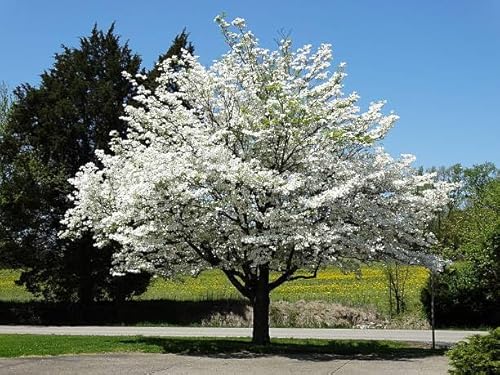
Crabapples are medium sized trees with stunning flowers and fruits.
Flowering Crabapples
Flowering crabapples primarily focus on ornamental appeal rather than fruit production. These trees showcase stunning blossoms in shades of pink, white, and red during spring. The popular ‘Dolgo’ variety, for instance, produces fragrant, showy flowers. Often, these trees bear small, inedible fruit, but the emphasis remains on their aesthetic value. Flowering crabapples attract pollinators and add vibrant color to gardens.
Fruiting Crabapples
Fruiting crabapples produce edible or semi-edible fruit, making them a versatile choice for gardens and landscapes. Varieties such as ‘Honeycrisp’ and ‘Arkansas Black’ yield delicious fruit suited for preserves and cooking. Fruiting crabapples generally have larger fruit than their flowering counterparts. These trees require proper care, including adequate sunlight and soil conditions, to maximize fruit production. Additional factors, like cross-pollination, significantly affect the quantity of fruit.
Select your crabapple tree based on your preferences for beauty or fruit yield. Each variety brings unique benefits to your yard.
The Role of Pollination
Pollination is crucial for the fruit production of crabapple trees. Not all trees yield fruit, and this often relates to the pollination process.
Recommended Products

For sale is one Sargent Crabapple that is approximately 10-16" tall and shipped in a quart pot


Hardy ornamental crabapple starter plant suitable for USDA Zones 4-8, ideal for home landscapes, backyard gardens, and outdoor planting areas
Importance of Cross-Pollination
Cross-pollination increases the likelihood of fruit development. Most crabapple varieties require pollen from another tree of a different variety to set fruit effectively. For instance, if you plant both a ‘Dolgo’ and a ‘Harmless’ nearby, the chances of fruit production rise. The bees and other pollinators transfer pollen between these trees, enabling fertilization. Trees that rely solely on self-pollination may not produce as much fruit or could even produce none at all.
Factors Affecting Fruit Development
Several factors influence how well crabapple trees develop fruit following pollination.
- Tree Age: Young trees, typically under five years, may not produce fruit. As trees mature, their fruit yield improves.
- Weather Conditions: Frost during bloom time can damage flowers, reducing or preventing fruit set.
- Soil Quality: Nutrient-rich soil encourages healthy growth and fruiting. Regular soil tests can help determine nutrient levels.
- Moisture Levels: Consistent watering aids flower and fruit development. Aim for about an inch of water per week throughout the growing season.
- Pollinator Activity: The presence of bees and other pollinators enhances pollination success. Planting flowers nearby can attract these beneficial insects.
By addressing these factors, you can support your crabapple trees in achieving optimal fruit production.
Do All Crabapple Trees Have Fruit?
Not all crabapple trees produce fruit. The fruiting ability depends on the specific variety and growing conditions.
Differences Between Varieties
Different crabapple varieties display diverse fruiting characteristics.
- Flowering Varieties: Varieties like ‘Spring Snow’ mainly produce ornamental blooms. Their fruit, if any, is typically small and inedible.
- Fruiting Varieties: Trees such as ‘Dolgo’ and ‘Honeycrisp’ produce larger, edible fruit. These varieties are often chosen for culinary uses.
Choosing the right variety affects both the visual appeal and fruit yield of your tree.
Conditions for Fruit Production
Several conditions influence whether a crabapple tree produces fruit.
- Pollination: Most crabapple trees require cross-pollination to set fruit. Planting two different varieties nearby can enhance pollination success.
- Climate: Favorable weather during flowering increases fruit set. Frost or heavy rain can damage blooms and reduce fruit production.
- Tree Age: Younger trees may not bear fruit. Expect productive yields as trees mature, usually after 3-5 years.
- Soil Quality: Nutrient-rich soil supports healthy growth. Conduct soil tests to determine pH and nutrient levels, and amend as necessary.
- Watering: Consistent moisture helps trees thrive. Ensure regular watering, especially during dry spells.
Addressing these conditions can significantly increase fruit production in your crabapple trees.
Common Misconceptions
Misconceptions about crabapple trees often lead to confusion regarding their fruit production. Understanding these myths clarifies what to expect from your tree.
All Crabapple Trees Produce Fruits
Not all crabapple trees produce fruit. Flowering varieties, such as ‘Spring Snow,’ mainly offer ornamental blooms and may yield only small, inedible fruit. In contrast, fruiting varieties like ‘Dolgo’ and ‘Honeycrisp’ are known for their larger, edible fruits. When choosing a tree, consider whether you desire fruit or flowers.
Smaller Fruits Mean Inferior Quality
Another misconception suggests that smaller crabapple fruits are inferior. Many smaller varieties provide excellent flavor and are suitable for culinary uses. For example, ‘Fruit Tiger’ produces small, tart fruits perfect for jams and jellies. Size doesn’t always equal quality.
Crabapple Trees Thrive Anywhere
Many believe crabapple trees can grow in any soil type. While they adapt to various conditions, they thrive best in well-drained, nutrient-rich soil. Conduct a soil test to ensure quality. Properly amend the soil to enhance growth and fruit production.
Pollination Isn’t Crucial
Some think that crabapple trees are self-pollinating. Most require cross-pollination from different varieties for optimal fruit set. To ensure fruit production, plant compatible varieties nearby. Research pollination needs based on your tree type.
Fruiting Happens Immediately
Many assume fruiting occurs in the first few years after planting. Young trees may take several years to bear fruit, often around three to five years for fruiting varieties. Patience is key as they establish and mature.
All Fruits Are Edible
Lastly, not every crabapple fruit is safe to eat. Even though most fruits are technically edible, flavor and quality vary. It’s crucial to research specific varieties before consuming any fruit.
Conclusion
Understanding whether your crabapple tree will bear fruit depends on a variety of factors. It’s essential to consider the specific type of tree you have and the growing conditions in your area. Whether you’re drawn to the stunning blossoms of flowering varieties or the tasty fruit of fruiting ones, knowing what to expect can help you make the best choice for your garden.
With the right care and attention to pollination needs you can enhance your tree’s fruit production. Remember that patience is key as younger trees may take some time before they start producing. By nurturing your crabapple tree and selecting the right variety you can enjoy both its beauty and potential bounty for years to come.
Frequently Asked Questions
What are the main factors influencing fruit production in crabapple trees?
Fruit production in crabapple trees is influenced by several factors, including tree variety, cross-pollination requirements, age, climate, soil quality, and moisture levels. Different varieties have unique fruiting potentials and care needs. Additionally, effective pollination and favorable environmental conditions are key to setting fruit.
Do all crabapple trees produce fruit?
No, not all crabapple trees produce fruit. Some varieties, known as flowering crabapples, are primarily grown for their beautiful blossoms and may yield small, inedible fruits. In contrast, fruiting crabapple varieties produce larger, edible or semi-edible fruits suitable for culinary uses.
How important is cross-pollination for fruit production in crabapple trees?
Cross-pollination is crucial for optimal fruit production in many crabapple varieties. Most require pollen from a different variety to effectively set fruit. Having at least two compatible varieties nearby can significantly enhance fruit yield.
What types of crabapple trees are there?
Crabapple trees generally fall into two categories: flowering and fruiting. Flowering varieties, like ‘Spring Snow,’ are appreciated for their ornamental blooms but produce little or no edible fruit. Fruiting varieties, such as ‘Honeycrisp’ and ‘Dolgo,’ yield larger and tastier fruits.
How can I enhance the fruit yield of my crabapple tree?
To enhance fruit yield, ensure proper care by providing consistent watering, fertilizing with nutrient-rich products, and timely pruning. It’s also essential to attract pollinators and select the right variety for your climate and soil conditions to maximize fruit production.
Can crabapple fruits be eaten?
Some crabapple fruits are edible, while others are not. Fruiting varieties like ‘Honeycrisp’ and ‘Delicious’ yield fruits that are sweet and can be consumed. However, it’s important to research specific varieties, as some may produce small, tart fruits that are less desirable for eating.
