

Almond trees can thrive in Albuquerque, NM, provided the right conditions are met. Proper soil preparation, climate considerations, and pest management are essential for successful cultivation in this region.
Almond Tree Growth Conditions in Albuquerque
Almond trees can thrive in Albuquerque’s unique climate, but specific growth conditions must be met for successful cultivation. Understanding the local soil, temperature variations, and moisture levels is essential for gardeners looking to grow these trees in the High Plains region. This section explores the key factors that influence almond tree growth in Albuquerque.
Almond trees require specific conditions to grow successfully. They thrive in well-drained soil with a pH between 6.0 and 7.5.
The climate in Albuquerque, characterized by hot summers and cold winters, can be suitable for almond varieties that are cold-hardy. However, ensuring that they receive adequate water and protection from pests is crucial.
Recommended Products

KNOW BEFORE YOU GROW | Grow the healthiest, sustainable lawn and garden with the most accurate and easy to use professional soil test kit on the market

Accurate Soil pH Testing: Dewildetradingco Soil pH Test Strips offer measurements of soil pH levels (pH 3.5-9). As an essential tool for every gardener and grower, these test strips help determine the optimal pH for various plants, such as outdoor plants, indoor plants, gardens, grass lawns, fruit trees, flowers, vegetables, and forest shrubs.

Kindly NOTE: This soil tester can not be applied to test pH value of any other liquid. If the soil is too dry the indicator will not move, and water it before testing.
Soil Amendments for Almond Tree Growth
Almond trees thrive in well-drained, nutrient-rich soil, making soil amendments crucial for successful growth in Albuquerque’s unique climate. This section explores the essential amendments that can enhance soil quality, ensuring optimal conditions for almond cultivation in the High Plains region. Understanding these amendments will help local growers achieve healthier trees and better yields.
Proper soil preparation is vital for healthy almond tree growth. Start by testing the soil to determine its pH and nutrient levels. Amendments may be necessary to create an optimal growing environment.
| Soil Component | Recommended Action |
|---|---|
| pH Level | Adjust to 6.0-7.5 |
| Organic Matter | Add compost or well-rotted manure |
| Drainage | Ensure soil drains well to prevent root rot |
Incorporating organic matter enhances soil structure and nutrient availability. Regular testing will help maintain ideal conditions throughout the growing season.
Albuquerque Almond Tree Climate Adaptation
Albuquerque’s unique climate presents both challenges and opportunities for growing almond trees. Understanding how these trees can adapt to the region’s high desert conditions is essential for successful cultivation. This section explores the specific climate factors that influence almond tree growth in Albuquerque and offers practical insights for local gardeners.
Albuquerque experiences a semi-arid climate with distinct seasons. Almond trees require a certain number of chilling hours during winter to produce fruit. Select varieties that are adapted to the local climate.
Chilling Hours: Aim for 300-1,000 hours below 45°F
Frost Dates: Be aware of the last frost date in spring to protect blossoms
Understanding these climate factors will help ensure successful almond production. Monitor local weather patterns to make informed decisions regarding planting and protection.
Integrated Pest Control for Almond Trees
Effective pest management is crucial for the successful cultivation of almond trees in Albuquerque’s unique climate. Integrated pest control strategies can help mitigate the risks posed by common pests while promoting a healthier orchard ecosystem. Understanding these methods will enable growers to protect their trees and ensure a bountiful harvest.
Effective pest management is essential for maintaining healthy almond trees. Common pests include aphids, spider mites, and navel orangeworms. Implementing an integrated pest management plan can minimize damage.
Regular Inspections: Check trees weekly for signs of pests
Beneficial Insects: Introduce ladybugs and lacewings to control aphid populations
Organic Pesticides: Use neem oil or insecticidal soap as needed
Establishing a proactive pest management strategy will help protect your almond trees from infestations.
Irrigation Strategies for Almond Trees
Irrigation is crucial for the successful growth of almond trees, especially in the arid climate of Albuquerque, NM. Understanding effective irrigation strategies can help optimize water usage while ensuring the trees receive the moisture they need to thrive. This section explores various methods tailored to the unique conditions of the High Plains.
Almond trees require consistent watering, especially during dry spells. Implementing efficient watering techniques can promote healthy growth and fruit production.
Drip Irrigation: Install a drip system to deliver water directly to the roots
Mulching: Apply mulch to retain soil moisture and regulate temperature
Watering Schedule: Water deeply but infrequently to encourage deep root growth
Monitoring soil moisture levels will help determine when to water. Adjust your schedule based on seasonal rainfall and tree growth stages.
Almond Tree Fertilization Best Practices
Fertilizing almond trees is crucial for their growth and productivity, especially in the unique climate of Albuquerque, NM. Understanding the specific nutrient needs and optimal timing for fertilization can significantly enhance tree health and yield. This section outlines best practices tailored for almond cultivation in the High Plains region.
Fertilization plays a critical role in the health of almond trees. A balanced approach will ensure trees receive essential nutrients without over-fertilizing.
| Nutrient | Timing | Recommended Type |
|---|---|---|
| Nitrogen | Early spring | Urea or ammonium nitrate |
| Phosphorus | Pre-bloom | Bone meal or rock phosphate |
| Potassium | Post-harvest | Potash or green manure |
Regular applications of fertilizer will support tree health and fruit production. Soil testing can help determine specific nutrient needs.
Almond Harvest Timing and Techniques
Understanding the optimal timing and techniques for harvesting almonds is crucial for growers in Albuquerque, NM. Given the unique climate conditions of the High Plains, specific strategies can enhance yield and quality. This section delves into the best practices for successfully harvesting almonds in this region.
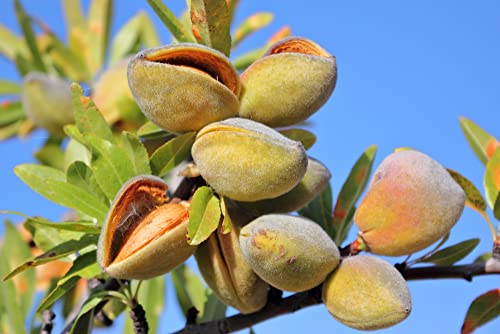
Harvesting almonds requires careful timing and technique. Almonds are typically harvested when the hulls split open, indicating ripeness.
Timing: Monitor nuts for hull splitting in late summer
Mechanical Harvesting: Use a shaker to dislodge nuts from branches
Drying: Spread nuts out in a single layer to dry before storage
Proper harvesting techniques will ensure high-quality nuts and minimize damage during collection.
Almond Tree Cultivation Strategies for Albuquerque
Almond trees can thrive in Albuquerque’s unique climate, but successful cultivation requires specific strategies tailored to the region’s conditions. Understanding local soil types, temperature fluctuations, and water availability is essential for optimizing growth and yield. This section explores effective techniques for nurturing almond trees in the high plains environment of New Mexico.
Growing almond trees in Albuquerque can be rewarding with proper care and attention. Focus on soil preparation, climate adaptation, pest management, and efficient watering techniques. Regular monitoring and timely interventions will lead to successful almond production.
Recommended Products

Seed Preparation: Soak the seeds in room-temperature water for 24–48 hours to soften the outer shell and promote germination.

Imagine your property a few years from now — cooler, greener, and more comfortable. A place where a wide, layered canopy creates natural shade and transforms open space into a relaxing outdoor environment. That future starts with planting a Tropical Almond Tree (Terminalia catappa) today.
