

Have you ever admired the stunning beauty of cherry blossom trees and wondered if they bear fruit? You’re not alone. Many people are captivated by these delicate pink blooms and often question whether they produce anything beyond their breathtaking flowers.
While cherry blossoms are famous for their visual appeal, the truth about their fruit may surprise you. This article will clarify the relationship between cherry blossom trees and fruit production, helping you understand what to expect from these iconic trees. By the end, you’ll know whether you can look forward to cherries or if those lovely blossoms are just for show.
Key Takeaways
- Cherry Blossom Trees Overview: Cherry blossom trees, belonging to the genus Prunus, are primarily valued for their stunning ornamental flowers rather than for producing fruit.
- Types of Cherry Trees: There are two main categories: flowering cherry trees, which are primarily ornamental and produce small, inedible fruits, and fruiting cherry trees, which are cultivated specifically for their edible cherries.
- Misconceptions Clarified: Many people mistakenly associate cherry blossom trees with fruit production; however, most notable varieties such as Yoshino and Kwanzan focus exclusively on their beautiful blooms.
- Factors Influencing Fruiting: The likelihood of fruit production in cherry trees depends on the type of tree, pollination, and growing conditions, with fruiting varieties requiring optimal conditions to thrive.
- Nutritional and Culinary Benefits: Fruits from edible cherry trees are rich in vitamins, antioxidants, and fiber, offering numerous health benefits and culinary uses, such as in desserts, salads, and preserves.
Overview Of Cherry Blossom Trees
Cherry blossom trees belong to the genus Prunus, widely appreciated for their stunning springtime blooms. These trees can grow between 15 and 25 feet tall, depending on the variety. Their flowers are typically pink or white, forming a striking canopy during the flowering season.
You’ll find various types of cherry blossom trees, including the Yoshino cherry (Prunus x yedoensis) and the Kwanzan cherry (Prunus serrulata). Each type offers unique characteristics, such as different flower colors and shapes.
While cherry blossom trees are celebrated for their beauty, they’re not primarily cultivated for fruit. Most ornamental cherry trees, like the Yoshino, produce small fruits that typically aren’t palatable. In contrast, fruit-bearing cherry trees, like sweet cherries (Prunus avium), grow distinctively for their edible cherries.
Cherry blossoms also play an important role in cultural practices, particularly in Japan, where hanami (flower viewing) is a cherished tradition. Festivals celebrate these trees, attracting many visitors eager to witness the breathtaking blooms.
Understanding the distinction between ornamental and fruit-bearing cherry trees helps clarify common misconceptions. You won’t find cherry fruit on most varieties you encounter in parks or gardens, as these blossoms are mainly ornamental.
Types Of Cherry Blossom Trees
Cherry blossom trees come in two main categories: flowering and fruiting. Understanding these types helps clarify their characteristics and purposes.
Recommended Products

No assembly required : These bow cupcake toppers areno assembly required and can be directly placed into the cake, saving you time and being very easy to use

Sweet Fruit - Produces large, deep red Bing cherries known for their rich, sweet flavor and firm, juicy texture.

WHAT YOU RECEIVE: Live Barbados Cherry Tree plants (Malpighia emarginata) in 2 inch pots — well-rooted tropical edible fruit tree starter plants, professionally grown and ready for transplanting to your garden or a larger container.
Flowering Cherry Trees
Flowering cherry trees are primarily grown for their stunning blooms. These trees showcase beautiful flowers, typically pink or white, that attract admirers during spring. Examples include:
- Yoshino Cherry (Prunus x yedoensis): Known for its pale pink flowers, it’s widely planted in parks and streets.
- Kwanzan Cherry (Prunus serrulata ‘Kwanzan’): Features double-pink blossoms and grows up to 30 feet tall, making it a popular ornamental choice.
- Shidarezakura (Weeping Cherry): This tree has graceful, drooping branches adorned with soft pink flowers.
Most flowering cherry trees produce small, inedible fruits. These ornamental varieties focus more on aesthetic appeal than fruit production.
Fruiting Cherry Trees
Fruiting cherry trees are cultivated specifically for their edible cherries. They fall into two primary categories:
- Sweet Cherry (Prunus avium): These cherries are large and sweet, commonly found in grocery stores. They require cross-pollination for optimal fruiting.
- Sour Cherry (Prunus cerasus): Smaller and more tart, sour cherries are often used in cooking and baking. They also thrive in a range of climates.
While these trees also produce blossoms, their purpose centers around fruit production, making them different from flowering varieties.
Do Cherry Blossom Trees Have Fruit?
Cherry blossom trees primarily serve as ornamental plants, celebrated for their vibrant blooms. While some varieties do produce fruit, most are small and inedible.
Recommended Products

[Lush Double Blooms in Mixed Shades] Produces clusters of fully double flowers with 10-30 petals per bloom. Flowers appear in a range of shades from soft pink to rich rose. Each branch becomes covered in cascading floral clusters.
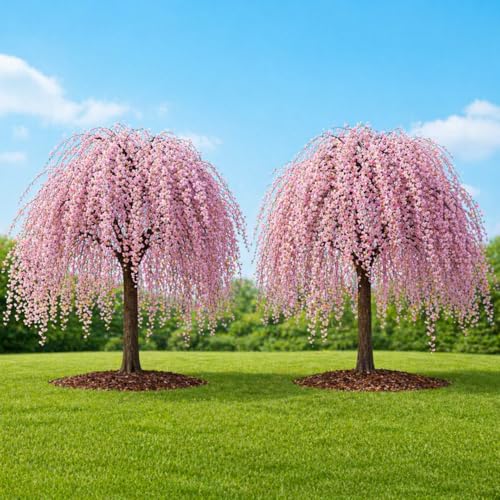
WHAT YOU WILL RECEIVE: 2 Cherry blossom tree live plant approximately 6 - 12 inches tall, prepared for transplanting into garden soil or outdoor containers

Common Misconceptions
Many people associate cherry blossom trees with fruit production due to their name. Often, the confusion arises from the different categories of cherry trees. Flowering cherry trees, like Yoshino and Kwanzan, are mainly prized for their stunning flowers, not for their fruit. In contrast, fruiting cherry trees, such as sweet and sour cherries, exist specifically for their edible cherries. Remember, the beautiful blossoms you admire likely come from trees that don’t produce any significant fruit.
Factors Influencing Fruiting
Several factors impact whether cherry blossom trees produce fruit or not.
- Tree Type: Flowering cherry trees focus on aesthetic appeal and typically produce only small, inedible fruits. Fruiting varieties are cultivated for their cherries, showing a clear distinction.
- Pollination: Many flowering cherry trees suffer from poor pollination, limiting their ability to bear fruit even when conditions seem favorable.
- Growing Conditions: Factors like soil quality, water availability, and climate conditions heavily influence fruit production. Fruiting trees often require optimal conditions for healthy growth.
Understanding these factors helps clarify why your favorite cherry blossom trees may not provide the cherries you expect.
Benefits Of Cherry Blossom Fruits
Cherry blossom fruits offer several benefits, although many ornamental varieties produce small, inedible fruits. When considering the types that do bear fruit, here are some key advantages.
Recommended Products

Brought to you by Whole Foods Market

365 by Whole Foods Market products give you that dance-down-the-aisles feeling, virtual aisles too!

Red Cherry Fruit Sours Chewy Candy Balls 1LB Bag
Nutritional Value
Cherry blossom fruits, particularly from fruit-bearing varieties, contain essential nutrients. They are rich in vitamins A and C, which support immune function and skin health. Additionally, antioxidants found in cherries can reduce inflammation and promote overall well-being. Consuming these fruits provides a natural source of fiber, which aids digestion. For example, one cup of sweet cherries contains approximately 97 calories, 3 grams of fiber, and powerful antioxidants.
Culinary Uses
Cherry blossom fruits lend themselves well to various culinary uses. Sweet cherries work excellently in desserts, such as pies, tarts, and crisps. They can also enhance salads, salsas, and sauces. Sour cherries, often used for preserves and jams, impart a delightful tang that balances sweetness. When you create a cherry compote, it transforms breakfast dishes like pancakes and yogurt into special treats. Dried cherry fruits can serve as a nutritious snack or a topping for oatmeal. Whether fresh or preserved, these fruits bring a vibrant flavor to your meals.
Conclusion
Cherry blossom trees are a true marvel of nature with their breathtaking blooms. While most of these trees are celebrated for their beauty rather than their fruit, it’s fascinating to know that some varieties do bear fruit. However, if you’re looking for delicious cherries to enjoy, you’ll want to seek out fruiting cherry trees instead.
Whether you’re drawn to the stunning sight of cherry blossoms in spring or the sweet taste of cherries in summer, there’s no denying the charm these trees bring to our lives. So next time you see a cherry blossom tree, take a moment to appreciate its beauty and the unique story it tells.
Frequently Asked Questions
Do cherry blossom trees produce fruit?
While some cherry blossom trees do produce small fruits, most ornamental varieties are cultivated for their beautiful blooms rather than for fruit production. These fruits are typically inedible and not suited for consumption.
What are the main types of cherry trees?
Cherry trees are categorized into two main types: flowering and fruiting. Flowering cherry trees, like Yoshino and Kwanzan, are grown for their vibrant blooms. Fruiting cherry trees, such as sweet and sour cherries, are specifically cultivated for their edible fruit.
What is the significance of cherry blossoms in Japan?
In Japan, cherry blossoms hold cultural significance and symbolize renewal and the transient nature of life. The tradition of hanami, or flower viewing, attracts many visitors each spring, celebrating the beauty of these blossoms.
Can cherry blossom fruits be eaten?
Typically, the small fruits produced by flowering cherry blossom trees are inedible. In contrast, fruiting varieties like sweet cherries are cultivated for their delicious, edible fruits that can be enjoyed fresh or used in various dishes.
What nutrients are found in cherry fruits?
Cherry fruits, particularly from fruit-bearing varieties, are rich in essential nutrients including vitamins A and C. They also contain antioxidants that help reduce inflammation and provide dietary fiber, promoting overall health and aiding digestion.
