

Have you ever wondered if the secret to thriving fruit trees lies in your backyard? Many gardeners face the challenge of finding the right nutrients to help their trees flourish. You might be surprised to learn that manure could be the answer you’re looking for.
Key Takeaways
- Manure as a Natural Fertilizer: Manure enriches soil with essential nutrients like nitrogen, phosphorus, and potassium, promoting healthy growth in fruit trees.
- Types of Manure: Different manures (cow, chicken, and composted) offer varied nutrient profiles, making it crucial to select the right type based on your fruit trees’ needs.
- Soil Improvement: Applying manure enhances soil structure, boosts water retention, and increases microbial activity, all of which support robust root development.
- Application Methods: Proper manure application methods include top dressing and incorporation into soil, each providing gradual nutrient release and improved soil quality.
- Testing and Safety: Always test soil before applying manure and use well-composted varieties to mitigate pathogen risks and avoid nutrient imbalances.
- Balanced Application Rates: Follow specific application rates for different types of manure to ensure optimal nutrient levels for fruit trees, adjusting based on individual soil and tree needs.
Overview of Manure in Agriculture
Manure plays a crucial role in agriculture by improving soil health and providing essential nutrients. It’s a natural fertilizer rich in nitrogen, phosphorus, and potassium, necessary for plant growth.
Types of Manure
- Farm Animal Manure: Common sources include chicken, cow, horse, and pig manure. Each type offers different nutrient profiles. For example, chicken manure has higher nitrogen levels, making it great for leafy vegetables.
- Composted Manure: Composting manure reduces pathogens and odors. It enhances nutrient availability, making it suitable for fruit trees when applied correctly.
Benefits of Using Manure
- Nutrient Release: Manure breaks down over time, releasing nutrients slowly. This gradual release helps sustain fruit trees throughout growing seasons.
- Soil Structure Improvement: Adding manure enhances soil structure. It increases organic matter, benefiting water retention and aeration, which supports root development.
- Microbial Activity Boost: Manure enriches soil with beneficial microorganisms. These microbes promote nutrient cycling, improving overall soil fertility.
Application Methods
- Top Dressing: Spread manure evenly around the base of the tree. This method allows nutrients to penetrate the soil as it rains or when watered.
- Incorporation into Soil: Mix manure into the soil before planting. Incorporating manure enhances nutrient uptake and minimizes runoff.
- Testing Soil pH and Nutrient Levels: Before applying manure, test your soil. Avoid over-application, which can lead to nutrient imbalance or disease.
- Using Well-Composted Manure: Use aged or properly composted manure to reduce pathogen risks. Fresh manure can contain harmful pathogens that affect plant health.
Manure, when used appropriately, proves beneficial for fruit trees, enhancing both plant growth and soil health. By understanding its use and precautions, you can optimize your gardening results.
Benefits of Using Manure for Fruit Trees
Using manure for fruit trees offers numerous advantages that enhance overall growth and health. Manure acts as a natural fertilizer, providing essential nutrients and promoting a thriving ecosystem in the soil.
Recommended Products
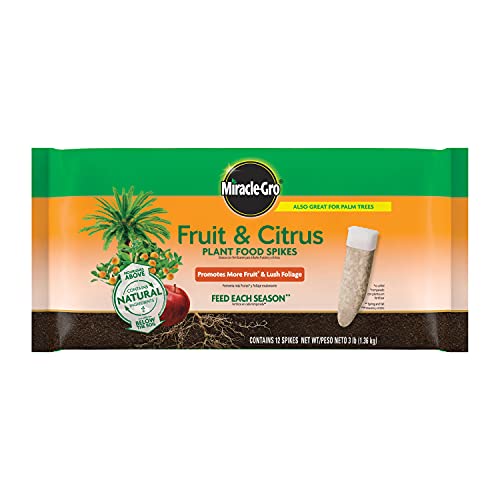
FORMULATED FOR CITRUS AND FRUIT TREES: Use these citrus fertilizer spikes on apple, orange, lemon, lime, and avocado trees; this formula is also great for feeding palm trees

Package contains 4 Pounds organic fruit and citrus fertilizer grains and is produced to avoid wasteful runoff, mess, hazards and smells

CITRUS PLANT FOOD: This avacado, mango and citrus fruit tree fertilizer feeds plants for up to 3 months and nourishes above and below the soil
Nutrient Content
Manure contains vital nutrients that fruit trees need to flourish. These nutrients include:
- Nitrogen: Supports leafy growth and overall tree vigor.
- Phosphorus: Aids in root development and enhances flowering and fruiting.
- Potassium: Improves disease resistance and fruit quality.
Different types of manure provide varying nutrient profiles. For example, poultry manure is typically higher in nitrogen, while cow manure offers a more balanced nutrient ratio. Applying manure according to your fruit trees’ specific nutrient requirements boosts their growth and productivity.
Soil Structure Improvement
Manure enhances soil structure, leading to improved aeration and water retention. Benefits include:
- Increased Porosity: Looser soil allows roots to access air and water more easily.
- Enhanced Drainage: Well-structured soil prevents waterlogging, protecting roots from rot.
- Microbial Activity: Manure promotes beneficial microorganisms, which improve nutrient uptake for fruit trees.
Incorporating well-composted manure into the soil can transform heavy clay into a richer, more workable medium. When applied correctly, manure not only nurtures your fruit trees but also fosters a healthier ecosystem in the garden.
Types of Manure Suitable for Fruit Trees
Manure can significantly enhance the growth of fruit trees, but not all types are equally effective. Here’s a closer look at the most suitable manure options.
Recommended Products

IDEAL ENVIRONMENT: Provides the structure, moisture, and nutrition that seedlings, flowers, vegetables, trees, and shrubs crave for vigorous growth
IDEAL ENVIRONMENT: Provides the structure, moisture, and nutrition that seedlings, flowers, vegetables, trees, and shrubs crave for vigorous growth

Ideal blend of nutrients and minerals to enhance plant growth, nature itself has created the perfect plant food. We have taken nature's perfection and made it easily accessible for farmers and gardeners. Our all-purpose 4-2.5-2 NPK provides comprehensive health for your garden or lawn.
Cow Manure
Cow manure stands out as one of the most commonly used manures in fruit tree cultivation. It’s rich in essential nutrients like nitrogen, phosphorus, and potassium. The nutrient composition helps promote healthy leaf growth and root development.
- Nutrient Breakdown: Fresh cow manure contains about 0.5% nitrogen, 0.2% phosphorus, and 0.5% potassium, making it a balanced option.
- Application Method: Use composted cow manure to prevent any risk of burning plant roots. Incorporate it into the soil before planting or apply it as a top dressing in early spring.
- Soil Improvement: Cow manure improves soil structure, enhancing drainage and aeration, which is vital for fruit trees.
Chicken Manure
Chicken manure offers a higher nutrient concentration compared to other manures, making it particularly beneficial for fruit trees, especially during the growing season.
- Nutrient Breakdown: Chicken manure typically contains 1.5% nitrogen, 0.8% phosphorus, and 0.5% potassium, providing a powerful nutrient kick.
- Application Method: Due to its potency, use well-composted chicken manure. Mix it thoroughly with soil about 6 to 8 inches deep to avoid high nitrogen levels that can harm plants.
- Microbial Activity: This type of manure boosts microbial activity in the soil, facilitating nutrient uptake by roots and fostering overall tree health.
Choose the appropriate manure based on your fruit trees’ specific needs and local availability. Properly managing and applying manure can lead to bountiful fruit yields and healthier trees.
How to Apply Manure to Fruit Trees
Applying manure properly ensures your fruit trees thrive. You’ll enhance soil health and nutrient availability while promoting healthy growth.
Recommended Products

100% All Natural Composition: No additives included, this soil amendment boosts soil health with natural nutrients for enhanced plant growth

Enhances Soil Health: True Organic Chicken Manure improves soil structure, aeration, and drainage, while helping the soil retain moisture and resist erosion.
Made for Mango Trees – Formulated to support healthy growth in mango and tropical fruit trees.
Timing and Method
Apply manure in early spring before the growing season starts. This timing helps maximize nutrient uptake. If using fall application, opt for well-composted manure, which reduces nutrient loss from leaching.
For method, consider two primary approaches:
- Top Dressing: Spread a 1-2 inch layer of well-composted manure around the base of the tree, avoiding direct contact with the trunk. This method improves soil quality and provides nutrients over time.
- Soil Incorporation: Mix manure into the soil during planting or early spring. This technique allows for efficient nutrient absorption and enhances soil structure.
Recommended Application Rates
Use the following application rates to ensure balanced nutrients:
| Type of Manure | Application Rate |
|---|---|
| Cow Manure | 20-30 pounds per tree |
| Chicken Manure | 5-10 pounds per tree |
| Goat Manure | 10-15 pounds per tree |
Apply these rates annually to maintain optimal nutrient levels. Adjust based on the specific needs of your soil and trees. Regular soil testing helps determine if additional amendments are necessary.
Potential Drawbacks of Using Manure
Using manure for fruit trees offers numerous benefits, but it’s essential to consider potential drawbacks before applying it. Understanding these issues can prevent complications and ensure healthy growth.
Pathogen Concerns
Pathogens in manure can pose risks to fruit trees. Using fresh manure might introduce harmful bacteria or parasites that cause plant diseases. To mitigate this risk, always opt for well-composted manure. Composting reduces pathogens significantly, making it safer for your plants. Additionally, avoid applying manure to trees during wet conditions, as this can increase the likelihood of disease spread.
Nutrient Runoff
Nutrient runoff is another concern with manure application. If not properly managed, excess nutrients can leach into nearby water sources, leading to pollution and harmful algal blooms. To prevent nutrient runoff, apply manure at recommended rates based on soil tests. Incorporate manure into the soil rather than leaving it on the surface. This practice not only reduces runoff but also enhances nutrient absorption by the roots, promoting healthier fruit trees.
Conclusion
Using manure can be a game changer for your fruit trees. It not only provides essential nutrients but also improves soil health and structure. By choosing the right type of manure and applying it properly, you can foster a thriving garden ecosystem that supports robust growth and increases disease resistance.
Remember to prioritize well-composted manure to avoid potential risks. With careful application and regular soil testing, you’ll be well on your way to enjoying a bountiful harvest. So go ahead and embrace the benefits of manure for your fruit trees. Happy gardening!
Frequently Asked Questions
What are the benefits of using manure for fruit trees?
Manure acts as a natural fertilizer, providing essential nutrients like nitrogen, phosphorus, and potassium. It improves soil structure, enhances moisture retention, and promotes beneficial microbial activity, which collectively support healthy fruit tree growth. Well-composted manure also helps boost leafy growth, root development, and resistance to diseases.
How do I apply manure to my fruit trees?
You can apply manure in two main ways: top dressing and soil incorporation. For top dressing, spread a 1-2 inch layer of well-composted manure around the tree base. For soil incorporation, mix the manure into the soil during planting or in early spring.
What types of manure are best for fruit trees?
Cow and chicken manure are excellent choices. Cow manure has a balanced nutrient profile and improves soil structure, while chicken manure has a higher concentration of nutrients, enhancing growth during the growing season. Always choose well-composted manure to avoid plant damage.
How much manure should I use for fruit trees?
Recommended application rates vary based on the type of manure. For cow manure, use 20-30 pounds, for chicken manure use 5-10 pounds, and for goat manure, 10-15 pounds. Adjust amounts based on your soil and tree needs.
Are there any precautions when using manure?
Yes, it’s crucial to use well-composted manure to prevent the introduction of pathogens and parasites. Regular soil testing is advisable to ensure proper nutrient levels and avoid over-application, which can lead to nutrient runoff and pollution.
