

Have you ever wondered how often olive trees bear fruit? If you’re considering growing your own olive tree or simply curious about these beautiful plants, you’re not alone. Many people find themselves asking this question, especially when they see those lush green leaves and dream of their own homegrown olives.
Key Takeaways
- Fruit Production Timeline: Olive trees typically start bearing fruit between three to five years after planting, with mature trees producing 30 to 50 pounds of olives annually.
- Biennial Bearing Cycle: Olive trees exhibit a biennial bearing cycle, yielding a heavy crop one year followed by a lighter crop the next. Proper care can help stabilize production.
- Environmental Factors: Climate, soil quality, and tree health significantly impact olive fruit production. Ideal conditions include Mediterranean climates, well-drained soils, and regular maintenance.
- Varietal Differences: Different olive varieties, such as Arbequina and Manzanilla, have unique yield characteristics and ripening times, influencing your selection for optimal outcomes.
- Harvest Timing: Olives are typically harvested from late summer to early winter, depending on the desired fruit ripeness. Handling olives with care during harvest is crucial to maintain quality.
- Pollination Matters: While many olive trees are self-pollinating, cross-pollination with compatible varieties can enhance fruit set and overall yields.
Understanding Olive Trees
Olive trees (Olea europaea) thrive in Mediterranean climates. They require specific conditions for optimal growth including full sun, well-drained soil, and moderate watering. Healthy trees flourish with temperatures ranging from 60°F to 80°F.
Olive trees start bearing fruit usually around three to five years after planting. The yield depends on factors such as tree variety, age, and environmental conditions. Mature trees can produce between 30 to 50 pounds of olives annually. Some varieties, like Arbequina or Manzanilla, are known for their consistent productivity.
Olive trees typically follow a biennial bearing cycle. In this cycle, a heavy crop in one year is followed by a lighter crop the next year. This pattern is natural and varies based on tree health, nutrition, and care practices. To support a more consistent yield, practices like proper pruning and fertilization throughout the year are beneficial.
Pollination also plays a role in fruit production. While many olive varieties are self-pollinating, cross-pollination with different trees can enhance fruit set. Planting compatible varieties nearby can increase overall yields.
Harvesting olives occurs in late summer to early winter, depending on the desired oil content or ripeness. It’s important to handle olives with care, as they bruise easily, affecting quality. You might consider using a harvesting rake or picking by hand for the best results.
Fostering a healthy environment around olive trees enhances their productivity. Regularly monitoring soil moisture and applying adequate nutrition contributes to better fruit-bearing outcomes.
Factors Influencing Fruit Production
Various factors affect how often olive trees produce fruit. Understanding these influences helps maximize your olive yield.
Recommended Products

Kindly NOTE: This soil tester can not be applied to test pH value of any other liquid. If the soil is too dry the indicator will not move, and water it before testing.

Quick, at home results for Soil pH, Nitrogen, Phosphorous and Potash Innovative and inexpensive soil test kit features an easy-to-use capsule system and patented color comparators

Accurate Soil pH Testing: Dewildetradingco Soil pH Test Strips offer measurements of soil pH levels (pH 3.5-9). As an essential tool for every gardener and grower, these test strips help determine the optimal pH for various plants, such as outdoor plants, indoor plants, gardens, grass lawns, fruit trees, flowers, vegetables, and forest shrubs.
Climate Conditions
Climate conditions play a crucial role in fruit production. Olive trees thrive in Mediterranean climates with hot, dry summers and mild, wet winters. Ideally, they need at least 6 hours of direct sunlight daily. Temperatures between 60°F and 85°F are optimal. In contrast, frost can damage blossoms, reducing fruit yield. For example, regions like Southern California and parts of Spain provide ideal conditions for healthy olive production.
Soil Quality
Soil quality significantly impacts olive trees’ overall health and fruit production. Well-drained, sandy or loamy soils support optimal growth, while heavy clay soils retain too much water, leading to root rot. The pH level should range from 6 to 8. Regular soil testing ensures that nutrient levels are adequate. For instance, incorporating organic matter can enhance soil structure and fertility, promoting better yields.
Tree Age and Health
Tree age directly correlates with fruit production. Young olive trees may not bear fruit until they’re 3 to 5 years old. Mature trees, typically around 10 years or older, can produce more significant yields. Additionally, maintaining tree health through proper pruning, pest management, and irrigation is vital. A healthy tree not only bears fruit more consistently but also withstands environmental stresses better. For example, an olive tree stress-free from diseases can yield up to 50 pounds of olives annually.
Olive Tree Varieties and Their Yield
Different olive tree varieties produce varying quantities of fruit. Understanding these differences helps you select the best type for your climate and needs.
Recommended Products
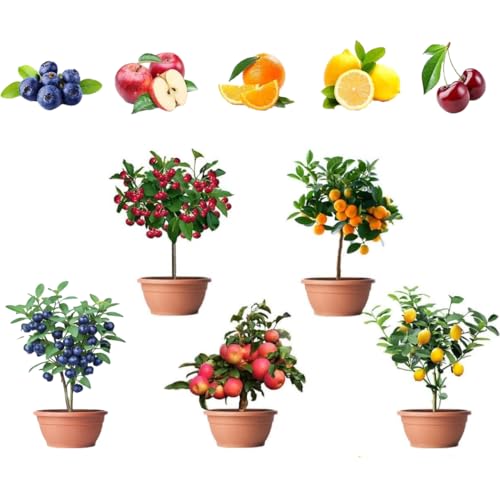
Variety Pack of 5 Fruits: Includes 40 Lemon seeds, 40 Orange seeds, 40 Apple seeds, 20 Cherry seeds, and 20 Blueberry seeds for a colorful and diverse home garden

Used Book in Good Condition

4 kinds of the most popular fruits, individually packaged, 50pcs Lemon seeds 50pcs Cherry seeds 50pcs Orange seeds 50pcs Apple seeds Fresh seeds, all fruit seeds are packed in tear and moisture resistant zipper sealed bags for your long term storage.
Common Varieties
- Arbequina
Arbequina olives are small and known for their rich, fruity flavor. They produce fruit regularly, starting in year three and yielding about 20 to 30 pounds annually when mature. - Manzanilla
Manzanilla olives have a distinctive taste and are often used for table olives. These trees typically begin bearing fruit in their fourth year and yield around 30 to 40 pounds annually. - Kalamata
Kalamata trees feature large, almond-shaped olives and are popular for their robust flavor. These trees can start producing fruit in their third year, with yields of 30 to 50 pounds per tree each year. - Frantoio
Frantoio olives are harvested primarily for oil production. These trees bear fruit starting at year four and yield approximately 25 to 35 pounds annually when healthy.
Yield Differences
Yield can vary significantly among olive tree varieties based on several factors:
- Age of the Tree: Younger trees produce less fruit than mature trees. Generally, expect minimal yield from a tree until it’s at least three years old.
- Climate Conditions: Trees exposed to optimal sunlight, heat, and water yield better fruit. Hot, dry summers and mild winters enhance production.
- Pollination: Some varieties are self-pollinating, while others benefit from cross-pollination. For example, popular cultivars like Arbequina thrive better with another variety nearby.
- Health and Care: Proper care, including regular pruning, watering, and fertilization, ensures your olive trees stay healthy and productive. Healthy trees exhibit higher yields with better quality olives.
Understanding these varieties and yield factors enables you to make informed decisions about growing olives, ensuring a rewarding harvest.
Harvesting and Production Cycles
Olive trees follow distinct harvesting and production cycles that affect fruit availability. Understanding these cycles is key to planning and maintaining your olive grove.
Recommended Products

🌳Olive & Fruit Trees: 6-4-6 fertilizer for fruit trees—ideal olive tree fertilizer for potted & outdoor trees; supports healthy growth and fruiting.

Made for Olive Trees - This olive tree fertilizer is formulated specifically to support healthy growth and long-term vitality in olive trees.

Made for Olive Trees - This olive tree fertilizer is formulated specifically to support healthy growth and long-term vitality in olive trees.
Annual Cycles
Olive trees typically produce fruit annually, alternating between heavy and light harvest years due to biennial bearing. During a heavy crop year, a mature tree may yield 30 to 50 pounds of olives. In contrast, the following year may result in only 10 to 20 pounds, depending on the tree’s overall health and care. Factors like pruning, water availability, and fertilization significantly influence these cycles. Implementing good management practices can enhance flower and fruit production during light years.
Seasonal Variations
Fruit development occurs in stages throughout the growing season, starting with blooming in the spring. Flowering typically occurs from April to June, depending on your region. The olives begin to form soon after blooming, growing and maturing through summer. As temperatures rise, fruit ripeness varies based on the olive variety and environmental conditions. Harvesting generally starts in late summer and can extend to early winter, often from September to November. Harvest times depend on your desired olive ripeness: green olives are harvested earlier, while black olives are picked later in the season for maximum flavor. Regular monitoring of fruit development ensures optimal harvest timing.
Conclusion
Growing olive trees can be a rewarding experience for anyone interested in home gardening. Understanding their fruit production cycle helps you manage expectations and care for your trees effectively. With the right conditions and attention to detail you can enjoy bountiful harvests year after year.
Remember that patience is key as these trees take a few years to start producing fruit. By nurturing your olive trees and being mindful of their needs you’ll not only enhance their yield but also enjoy the beauty they bring to your garden. So get ready to savor the fruits of your labor and perhaps even share some delicious homemade olive oil with friends and family.
Frequently Asked Questions
How often do olive trees bear fruit?
Olive trees typically bear fruit every year, but they follow a biennial bearing cycle. This means heavy yields in one year are often followed by lighter yields the next. On average, mature trees can produce between 30 to 50 pounds of olives annually during productive years, while light years may yield 10 to 20 pounds.
How long does it take for an olive tree to bear fruit?
Olive trees usually start producing fruit three to five years after planting. The exact timing can depend on the tree’s variety, health, and growing conditions.
What climate do olive trees thrive in?
Olive trees thrive in Mediterranean climates, which feature hot, dry summers and mild, wet winters. They require at least 6 hours of direct sunlight daily and do best in temperatures ranging from 60°F to 85°F.
What type of soil is best for olive trees?
Olive trees prefer well-drained sandy or loamy soils. Heavy clay soils can lead to root rot, so ensuring good drainage is crucial for their health and fruit production.
Are olive trees self-pollinating?
Many olive tree varieties are self-pollinating, but cross-pollination can enhance yields. Having different varieties nearby can improve overall fruit set and increase productivity.
When is the best time to harvest olives?
The best time to harvest olives is from late summer to early winter, typically between September and November. Harvest timing depends on the desired ripeness of the olives.
What factors influence olive tree fruit production?
Key factors include climate conditions, soil quality, the age and health of the tree, and proper care. Regular monitoring of soil moisture and nutrition also plays a vital role in maximizing yields.
What are some common varieties of olive trees?
Common olive tree varieties include Arbequina, Manzanilla, Kalamata, and Frantoio. Each has distinct flavors and yield characteristics, making it important to choose a variety that suits your climate and needs.
