

Growing banana trees in Newark, NJ can be a rewarding urban gardening project with proper planning and care. These tropical plants thrive in warm conditions, but with the right techniques, they can flourish even in cooler climates.
Best Banana Tree Varieties for Newark Climate
When considering banana trees for urban gardening in Newark, NJ, it’s essential to choose varieties that thrive in the local climate. The right selection can lead to successful growth and fruitful yields, even in less-than-ideal conditions. This section highlights the best banana tree varieties suited for Newark’s unique environment.
Choosing the appropriate banana tree variety is crucial for success in Newark’s climate. Some varieties are more cold-tolerant than others, making them better suited for urban gardening. The most recommended types include:
Dwarf Cavendish: Compact size, sweet fruit, and tolerant of container growth.
Ice Cream Banana: Unique flavor and attractive foliage, grows well in pots.
Musa Basjoo: Hardy and cold-resistant, can survive temperatures down to 10°F.
Consider your space and desired fruit when selecting a variety.
Recommended Products

CHOOSE YOUR FAVORITE BANANA VARIETY – Select from Grand Nain, Dwarf Cavendish, Double Mahoi, Curly Tiny, or Basjoo Banana plants. Each variety offers unique characteristics, from sweet edible fruit to striking ornamental foliage and cold-hardy landscape performance.
CHOOSE YOUR FAVORITE BANANA VARIETY – Select from Grand Nain, Dwarf Cavendish, Double Mahoi, Curly Tiny, or Basjoo Banana plants. Each variety offers unique characteristics, from sweet edible fruit to striking ornamental foliage and cold-hardy landscape performance.

Site Preparation for Banana Trees
Preparing the site for banana trees in Newark, NJ is crucial for their successful growth in an urban environment. This section outlines the essential steps to create an optimal planting area, ensuring that these tropical plants thrive despite the challenges posed by city conditions. Proper site preparation will set the foundation for a fruitful urban gardening experience.
Proper site preparation is essential for healthy growth. Ensure the selected area receives full sun for at least six hours daily. Follow these steps to prepare your planting site:
Clear the Area: Remove weeds and debris to prevent competition for nutrients.
Test Soil pH: Aim for a pH level between 5.5 and 7.0 for optimal growth.
Amend Soil: Incorporate organic matter like compost to improve drainage and nutrient content.
This preparation will set the foundation for successful growth.
Effective Banana Tree Planting Strategies
Successfully growing banana trees in Newark, NJ requires careful planning and specific strategies tailored to urban gardening conditions. This section outlines effective planting techniques, including soil preparation, optimal planting times, and essential care practices, ensuring that even novice gardeners can cultivate healthy banana trees in their backyards or community gardens.
Planting banana trees requires careful attention to detail. Follow these steps for effective planting:
Dig a Hole: Create a hole twice the size of the root ball.
Position the Tree: Place the tree at the same depth it was growing in its previous container.
Backfill with Soil: Fill the hole with soil, ensuring there are no air pockets.
Water Thoroughly: Give the tree a deep watering to settle the soil around the roots.
These steps will help establish a strong root system.
Banana Tree Care Routine for Urban Settings
Caring for banana trees in an urban environment like Newark, NJ requires a tailored approach that considers local climate and space constraints. This section outlines essential practices for maintaining healthy banana trees, ensuring they thrive amidst city life. From watering schedules to pest management, these tips will help urban gardeners cultivate a successful banana-growing experience.
Banana trees require consistent care to thrive in urban settings. Establish a routine that includes the following:
Watering: Keep the soil consistently moist but not waterlogged.
Fertilizing: Use a balanced fertilizer every 4-6 weeks during the growing season.
Pruning: Remove dead leaves to promote airflow and prevent disease.
A solid care routine will enhance growth and fruit production.
Recommended Products

Made for Banana Trees – Specially formulated banana fertilizer designed to support the nutrient needs of banana plants.

Let our professionally formulated plant food help your fruit tree grow healthy, strong AND abundantly producing
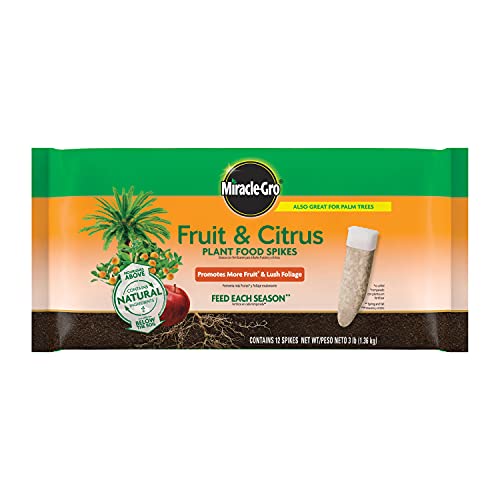
FORMULATED FOR CITRUS AND FRUIT TREES: Use these citrus fertilizer spikes on apple, orange, lemon, lime, and avocado trees; this formula is also great for feeding palm trees
Pest and Disease Control for Banana Trees
Successfully growing banana trees in Newark, NJ, requires vigilance against pests and diseases that can threaten their health. Understanding the common challenges faced in urban gardening is essential for maintaining robust plants. This section provides practical strategies for identifying and managing these issues effectively.
Urban environments can introduce pests and diseases that threaten banana trees. Monitor your plants for common issues such as:
Aphids: Small insects that suck sap and can be controlled with insecticidal soap.
Fungal Infections: Look for yellowing leaves; improve air circulation and apply fungicides if necessary.
Nematodes: Soil-dwelling pests that can damage roots; rotate crops and use resistant varieties.
Regular inspections will help catch problems early.
Recommended Products
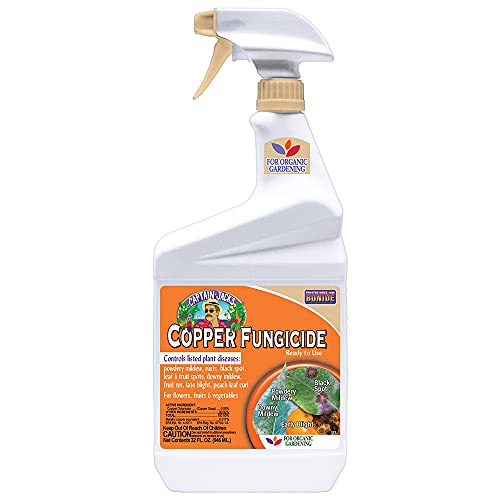
Control fungus and disease in your garden with Captain Jack’s ready-to-use Liquid Copper Fungicide!
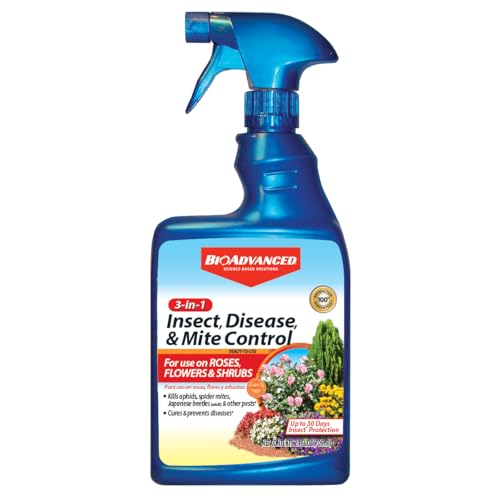
INSECT KILLER: Army worm killer. Also kills insects such as Aphids, Spider Mites, Japanese Beetles, Caterpillars, and other listed insects

Control diseases and insects in your garden with Captain Jack’s Fruit Tree Spray Concentrate! Use on a variety of listed fruits, nuts and citrus plants.
Banana Harvesting Techniques for Urban Growers
Successfully harvesting bananas in an urban setting requires understanding specific techniques tailored to limited spaces and unique environmental conditions. This section explores effective methods for harvesting banana trees in Newark, NJ, ensuring that urban growers can maximize their yield while navigating the challenges of city gardening. By applying these strategies, you can enjoy a fruitful banana harvest right in your backyard.
Once your banana trees mature, harvesting becomes the most rewarding part of the process. Bananas typically take 9-12 months to ripen after flowering. Follow these guidelines for harvesting:
Monitor Fruit: Wait until bananas turn from green to yellow.
Cut the Bunch: Use a sharp knife to cut the entire bunch from the tree.
Ripen Off the Tree: Allow bananas to ripen indoors at room temperature.
Enjoy fresh, home-grown bananas as a delicious reward for your efforts.
| Variety | Height | Cold Tolerance | Flavor | Best Use |
|---|---|---|---|---|
| Dwarf Cavendish | 4-5 feet | Moderate | Sweet | Containers |
| Ice Cream Banana | 6-10 feet | Moderate | Unique | Garden |
| Musa Basjoo | 6-12 feet | High | Starchy | Ornamental |
Year-Round Care for Banana Trees
Caring for banana trees in Newark requires a tailored approach to ensure their health and productivity throughout the year. This section explores essential practices for maintaining these tropical plants in an urban environment, addressing seasonal challenges and providing practical tips for optimal growth. Understanding these care techniques is crucial for any urban gardener looking to cultivate banana trees successfully.
To maintain your banana trees through Newark’s seasons, consider these strategies:
Winter Protection: Wrap the base of the tree with burlap or straw during freezing temperatures.
Container Growth: Use large containers to easily move trees indoors during winter.
Microclimates: Plant near walls or structures to create warmer microclimates.
Implementing these strategies will help you enjoy your banana trees year after year.
