

Are you curious about when your mulberry tree will finally reward you with its delicious fruit? If you’ve planted one of these beautiful trees, you might be wondering how long you’ll have to wait before you can enjoy those sweet berries.
Key Takeaways
- Mulberry Trees Types: Understand the different species (Red, White, Black, Dwarf) to select the best fit for your garden based on desired fruit characteristics and growth conditions.
- Optimal Growing Conditions: Mulberry trees thrive in well-drained, loamy soil with pH between 6.0 and 7.0, requiring full sun for at least 6 hours daily and regular watering, particularly during dry spells.
- Time to Fruit: Most mulberry trees produce fruit within 2 to 4 years after planting, with variations depending on species, age, and care—Black Mulberry fruits in 2-3 years, while White Mulberry typically takes about 4 years.
- Care and Maintenance: Proper pruning and soil care are crucial for healthy fruit production. Regular inspection for pests and diseases can prevent growth hindrances.
- Addressing Challenges: Be proactive about environmental factors like sunlight, soil quality, watering, and temperature to foster healthy growth and maximize fruit yield.
Understanding Mulberry Trees
Mulberry trees are popular for their sweet fruits and hardiness. Many tree owners enjoy the process of nurturing these trees, eager for the delicious berries they produce.
Types of Mulberry Trees
Several species of mulberry trees exist. Each has unique characteristics and growth requirements:
- Red Mulberry (Morus rubra): Native to North America, this tree thrives in various soil types. It produces small, sweet fruits that attract wildlife.
- White Mulberry (Morus alba): Originally from China, this type grows rapidly and adapts well to different climates. Its fruit is often less sweet than the red variety.
- Black Mulberry (Morus nigra): Known for its dark, flavorful berries, this tree prefers warmer climates. It’s less common but highly regarded for its fruit quality.
- Dwarf Mulberry: This compact variety is perfect for smaller gardens. It bears fruit quickly and requires less space.
Understanding these types helps you choose the right tree for your garden.
Ideal Growing Conditions
Mulberry trees thrive in specific conditions. Ensuring these factors are met promotes healthy growth and fruiting:
- Soil: Well-drained, loamy soil supports optimal growth. Aim for a pH between 6.0 and 7.0 for best results.
- Sunlight: Full sun exposure for at least 6 hours a day enhances fruit production. Plant in an open area to avoid shading.
- Water: Regular watering during dry spells keeps trees healthy, but avoid overwatering to prevent root rot.
- Climate: Mulberry trees prefer temperate climates. Most types tolerate cold, but ensure you choose a variety suitable for your region’s temperatures.
By following these guidelines, you increase your chances of enjoying the fruits of your labor from your mulberry trees.
Timeframe for Fruit Production
Understanding the timeframe for fruit production in mulberry trees involves considering several key factors. Your tree’s age, species, and growing conditions play significant roles in determining when you’ll start enjoying the fruits.
Recommended Products
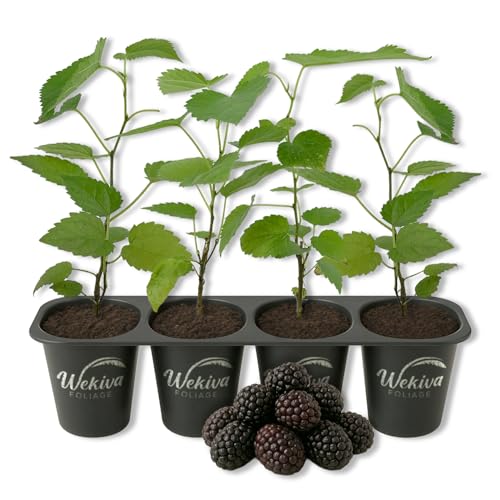
Growth and Appearance: The Everbearing Mulberry Tree develops a full, spreading canopy with rich green leaves that provide shade and structure to any outdoor space. Mature trees reach 15–20 feet tall, though with regular pruning they can remain more compact, making them adaptable for both small and large gardens.


Abundant producer of sweet medium-sized fruit
Factors Affecting Fruiting Time
- Tree Age: Younger mulberry trees typically require more time to fruit. Generally, trees aged 2 to 5 years are most likely to produce fruit, depending on their care.
- Species Variance: Different species of mulberry trees can have varying fruiting times. For instance, Black Mulberry often fruits sooner than Red or White Mulberry.
- Growing Conditions: Conditions such as soil quality, sunlight exposure, and watering frequency directly impact growth and fruiting speed. Well-drained soil and adequate light can enhance fruit production.
- Pollination: Some mulberry species are self-pollinating, while others require cross-pollination for fruit set. If your mulberry tree needs a second tree for cross-pollination, factor this into your fruiting timeline.
Average Years to First Fruit
Typically, mulberry trees start producing fruit within 2 to 4 years after planting. Here’s a rough breakdown by species:
| Species | Average Years to First Fruit |
|---|---|
| Black Mulberry | 2-3 years |
| Red Mulberry | 3-4 years |
| White Mulberry | 4 years |
| Dwarf Mulberry | 2-3 years |
By being aware of these timelines and factors, you can set realistic expectations as you nurture your mulberry trees.
Care and Maintenance for Fruiting
Caring for your mulberry tree is essential for promoting healthy fruit production. The right practices ensure your tree thrives and produces delicious berries.
Recommended Products

Kindly NOTE: This soil tester can not be applied to test pH value of any other liquid. If the soil is too dry the indicator will not move, and water it before testing.

Accurate Soil pH Testing: Dewildetradingco Soil pH Test Strips offer measurements of soil pH levels (pH 3.5-9). As an essential tool for every gardener and grower, these test strips help determine the optimal pH for various plants, such as outdoor plants, indoor plants, gardens, grass lawns, fruit trees, flowers, vegetables, and forest shrubs.

KNOW BEFORE YOU GROW | Grow the healthiest, sustainable lawn and garden with the most accurate and easy to use professional soil test kit on the market
Soil Requirements
Ensure well-drained soil for optimal growth. Mulberry trees prefer loamy or sandy soil with a pH level between 6.0 and 7.0. Test your soil’s pH using a kit available at garden centers. If your soil is too acidic, adding lime helps raise the pH. If it’s too alkaline, incorporate organic matter like compost to balance it. Mulberries need good drainage, so if your soil tends to hold water, consider planting on a raised bed or amending it with perlite to improve drainage.
Pruning Techniques
Pruning stimulates growth and enhances fruit production. Prune early in spring before new growth starts. Focus on removing dead or crossing branches to improve airflow and sunlight access. Ideally, maintain an open-center structure to encourage a bushy appearance. Cut back about one-third of the previous year’s growth, especially for younger trees. Use sharp, clean pruning shears for clean cuts, which reduce the risk of disease. Regular maintenance leads to healthier trees and abundant fruit.
Common Challenges
Growing mulberry trees offers rewards, but you may encounter specific challenges along the way. Understanding these challenges enhances your chances of enjoying abundant fruit production.
Recommended Products

Control diseases and insects in your garden with Captain Jack’s Fruit Tree Spray Concentrate! Use on a variety of listed fruits, nuts and citrus plants.

INSECT KILLER: Fast-acting formula kills listed insects including aphids, Japanese beetles, caterpillars, whiteflies, and other listed pests on contact

Plant insecticide to protect your roses and edibles from listed damaging pests
Pests and Diseases
Pests and diseases can hinder your mulberry tree’s growth and fruiting. Common pests include:
- Mulberry Moths: These can damage the leaves; regular inspections help in early detection.
- Scale Insects: These adhere to plant stems and leaves, sucking sap; using insecticidal soap effectively eliminates them.
- Spider Mites: Increasing temperatures can lead to these pests; maintain humidity around the tree to deter them.
Diseases like Powdery Mildew may affect the tree’s leaves. Prevent this by ensuring good airflow through proper spacing of trees and avoiding overhead watering. Regularly inspect your trees for signs of both pests and diseases, treating issues promptly to keep your trees healthy.
Environmental Factors
Environmental factors significantly impact mulberry tree growth. Key elements include:
- Sunlight: Mulberry trees thrive in full sun. Aim for at least 6 to 8 hours of direct sunlight daily. Shade can delay fruiting.
- Soil Quality: Ensure your soil is well-drained and sandy or loamy, with a pH level between 6.0 and 7.0. Poor drainage can lead to root rot, stunting growth.
- Watering: Maintain consistent moisture, particularly during dry spells. Deep watering promotes healthy root systems but avoid waterlogging.
- Temperature: Extremes in temperature can stress the tree. Mulberries flourish in USDA hardiness zones 4 to 9. Consider protective measures if extreme weather events occur.
Adjusting these environmental factors can create a more conducive setting for your mulberry tree to thrive and eventually bear fruit.
Conclusion
Growing a mulberry tree can be a rewarding experience as you await the sweet fruits of your labor. With the right care and attention your tree can start producing within just a few years. Remember that factors like species and growing conditions play a big role in how quickly you’ll see those berries.
Stay patient and enjoy the journey of nurturing your tree. By providing the ideal environment and keeping an eye out for any challenges you’ll set yourself up for a bountiful harvest. So keep tending to your mulberry tree and soon enough you’ll be enjoying its delicious fruits.
Frequently Asked Questions
When will my mulberry tree start producing fruit?
Mulberry trees generally begin to produce fruit within 2 to 4 years after planting. The timeline varies by species: Black Mulberry typically fruits in 2-3 years, Red Mulberry in 3-4 years, White Mulberry in about 4 years, and Dwarf Mulberry in 2-3 years. Factors like tree age, species, and growing conditions influence the fruiting timeline.
What are the ideal growing conditions for mulberry trees?
Mulberry trees thrive in well-drained loamy or sandy soil with a pH between 6.0 and 7.0. They require full sunlight (at least 6 hours daily) and regular watering to support healthy growth. Creating a suitable climate and ensuring good airflow are also essential for optimal fruit production.
How should I care for my mulberry tree?
Proper care for mulberry trees includes regular watering, adequate sunlight, and well-drained soil. Prune in early spring to stimulate growth and enhance fruit production. Monitor for pests and diseases, and maintain good airflow to prevent issues like Powdery Mildew, which can hinder growth.
What pests and diseases affect mulberry trees?
Common pests that affect mulberry trees include Mulberry Moths, Scale Insects, and Spider Mites. Preventive measures include regular monitoring and maintaining proper care. Diseases like Powdery Mildew can also occur; ensuring good airflow and appropriate watering can help mitigate these issues.
How can I improve soil pH for my mulberry tree?
To adjust soil pH for mulberry trees, you can add lime to raise the pH or elemental sulfur to lower it. Conduct a soil test to determine the current pH. Making these adjustments helps create an optimal environment for your tree’s growth and fruit production.
