

Tamarind trees can grow in pots in Indiana, but specific conditions must be met for successful cultivation. Proper pot size, soil type, and climate considerations are essential for thriving tamarind trees in this region.
Tamarind Tree Growth Conditions in Indiana
Tamarind trees, known for their unique fruit and striking appearance, can face challenges when grown in Indiana’s climate. Understanding the specific growth conditions required for these tropical trees is essential for successful cultivation in pots. This section explores the environmental factors and care techniques necessary to thrive in Indiana’s varying weather conditions.
Tamarind trees thrive in warm climates, making their growth in Indiana challenging. They require a minimum temperature of 50°F to flourish.
When grown in pots, it is crucial to select the right size and type to ensure adequate root development. The pot should be at least 18 inches deep and wide to accommodate the tree’s growth.
Recommended Products

STARTING A TROPICAL GARDEN- Comprised of real horticultural grade ingredients such as shredded coir husk, pine bark, perlite, sand, and garden lime; no pelletized fertilizer

100% Natural: Special custom blend for olive trees in containers

Enhanced Growth Benefits: Supports optimal plant health with superior aeration, effective drainage, excellent nutrient retention, and a balanced pH – everything citrus plants need to thrive.
Optimal Potting Mix for Tamarind Trees
Selecting the right potting mix is crucial for the successful growth of tamarind trees in Indiana. The ideal blend not only supports healthy root development but also ensures proper drainage and nutrient availability. Understanding the specific requirements of tamarind trees will help you create the perfect environment for these tropical plants to thrive in pots.
Creating the right environment for tamarind trees involves several factors. The potting mix should be well-draining and rich in organic matter. A mix of potting soil, sand, and compost works best.
| Component | Ratio |
|---|---|
| Potting Soil | 50% |
| Sand | 25% |
| Compost | 25% |
Ensure the pot has drainage holes to prevent waterlogging, which can lead to root rot. Position the pot in a location that receives full sunlight for at least six hours daily.
Pot Watering Techniques for Tamarind Trees
Successfully growing tamarind trees in pots requires careful attention to watering techniques, especially in Indiana’s variable climate. Understanding the right methods to maintain soil moisture without overwatering is crucial for the health of these tropical trees. This section will explore effective pot watering strategies tailored for tamarind trees, ensuring they thrive even in less-than-ideal conditions.
Watering is critical for tamarind trees, especially in pots. The soil should remain moist but not soggy. Check the top inch of soil; if it feels dry, water the tree thoroughly.
Fertilizing should occur during the growing season. Use a balanced fertilizer every four to six weeks to provide essential nutrients. Look for fertilizers with a higher potassium content to promote fruiting.
Winter Care Strategies for Tamarind in Indiana
Tamarind trees can be a delightful addition to your garden, even in Indiana’s variable climate. However, winter poses unique challenges for potted tamarind, requiring specific care strategies to ensure their survival and health. Understanding these winter care techniques is essential for nurturing your tamarind tree through the colder months.
Indiana experiences cold winters, which can be detrimental to tamarind trees. During winter months, it is vital to bring the pot indoors or to a sheltered area. Protect the tree from frost and extreme temperatures.
In spring, gradually acclimate the tree back to outdoor conditions. This process helps the tree adjust to sunlight and temperature changes.
Pest Management for Potted Tamarind Trees
Managing pests is crucial for the health of potted tamarind trees, especially in Indiana’s unique climate. Understanding common pests and implementing effective control strategies can help ensure your tree thrives in its container. This section will explore practical methods to protect your tamarind tree from potential threats while promoting its growth and vitality.
Growing tamarind trees in pots presents unique challenges. Pests such as aphids and spider mites can affect the tree’s health. Regularly inspect the leaves and use insecticidal soap if pests are detected.
Another challenge is nutrient deficiency, which can manifest as yellowing leaves. If this occurs, apply a nitrogen-rich fertilizer to restore health.
Tamarind Tree Growth Monitoring Tips
Monitoring the growth of tamarind trees in pots requires careful attention to their unique needs, especially in a climate like Indiana’s. Understanding the specific indicators of health and growth can help ensure that these tropical trees thrive even in less-than-ideal conditions. Here are essential tips to effectively track and support your tamarind tree’s development.
Regular monitoring of your tamarind tree’s growth is essential. Adjust watering and fertilizing based on the tree’s response. If the tree appears stunted, consider repotting into a larger container to encourage root expansion.
Recommended Products

INDOOR GROWING: Growing indoors is easy under the right conditions; Miracle-Gro Houseplant Potting Mix is an indoor plant potting soil that combines key elements container plants need to thrive
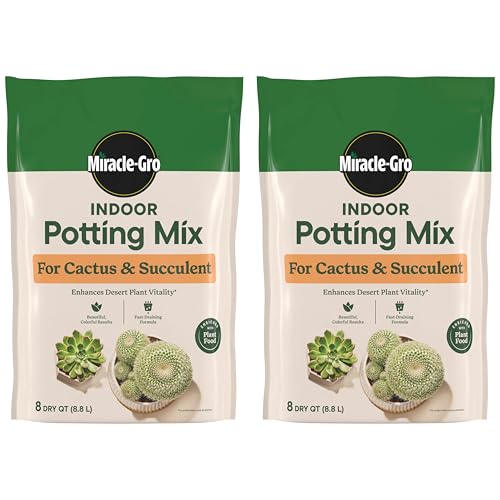
Miracle-Gro Indoor Potting Mix for Cactus and Succulent is enriched with Miracle-Gro Plant Food and enhances desert plant vitality (vs unfed plants when used as directed)

100% Natural: Special custom blend for olive trees in containers
Successful Pot Cultivation of Tamarind Trees
Growing tamarind trees in pots can be a rewarding endeavor, especially for those in Indiana looking to enjoy this unique fruit. Successful pot cultivation requires attention to specific conditions, including soil type, watering practices, and sunlight exposure. Understanding these factors will help ensure that your tamarind tree thrives in a container environment.
Tamarind trees can thrive in pots in Indiana with the right care. Focus on proper pot size, soil composition, and seasonal adjustments to ensure successful growth.
Be proactive in addressing any challenges to maintain the health of your tamarind tree.
