

Curious if you can grow juicy blackberries in the arid climate of Arizona? Picture this: craving a handful of fresh, plump blackberries but unsure if your desert surroundings can support their growth. You’re not alone in wondering about the possibility of cultivating these delicious fruits right in your backyard.
In this article, discover the secrets to successfully growing blackberries in Arizona. You’ll explore expert tips, tricks, and insights tailored to thriving in this unique environment. Get ready to unlock the potential of cultivating your very own blackberry bushes and enjoy the sweet rewards they bring.
Key Takeaways
- Understanding Arizona’s Climate for Blackberry Cultivation: Consider temperature, sun exposure, and water requirements crucial for successful blackberry growth in the arid climate.
- Choosing the Right Blackberry Varieties: Opt for thornless and heat-tolerant varieties like “Apache” and “Kiowa” suitable for Arizona’s challenging conditions.
- Planting and Care Tips: Plant blackberries in late winter/early spring, prepare well-draining soil with proper pH levels, provide deep watering, and mulch to retain moisture.
- Common Challenges: Be vigilant against pests like spider mites and diseases such as powdery mildew; manage heat stress by providing shade, mulching, wise watering, and appropriate pruning.
Understanding Arizona’s Climate for Blackberry Cultivation
When considering growing blackberries in Arizona, it’s essential to understand the unique climate conditions that can impact the success of your cultivation efforts. Here’s a breakdown of key factors related to Arizona’s climate that play a crucial role in blackberry cultivation:
Temperature and Sun Exposure
In Arizona, the temperature can vary significantly depending on the region. Blackberries thrive in moderate temperatures between 75°F and 85°F (23.8°C – 29.4°C). To ensure optimal growth, choose a planting location that receives ample sunlight, ideally at least 6-8 hours of direct sunlight per day.
Rainfall and Water Requirements
Arizona is known for its arid climate with low annual rainfall levels. Blackberry plants require consistent moisture, especially during the growing season and fruit development stages. It’s recommended to supplement natural rainfall by providing regular watering sessions, ensuring the soil remains moist but well-drained to prevent waterlogging.
By understanding how temperature variations and sun exposure impact blackberry growth, as well as meeting their water requirements in a dry climate like Arizona, you’ll be better equipped to cultivate healthy and productive blackberry bushes in your own garden.
Choosing the Right Blackberry Varieties for Arizona
When selecting blackberry varieties to grow in Arizona, it’s essential to consider those that can thrive in the state’s arid climate. Here are some key factors to keep in mind when choosing the right blackberry varieties for your Arizona garden:
Recommended Products

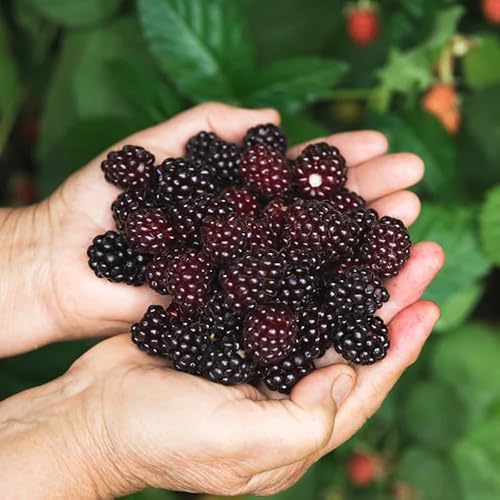
WHAT YOU WILL RECEIVE: You will receive 1 healthy Sweetie Pie Blackberry plant (Rubus), currently 5-9 inches tall. This vigorous, bare-root starter is shipped ready to plant with a strong root system, designed to establish quickly for future delicious harvests.

Sweet & Nutritious Berries:The berries have a sweet taste, rich in various vitamins, minerals such as calcium, iron and zinc, as well as amino acids and essential dietary fiber. They are suitable for fresh eating or making jams and desserts, meeting the needs of a healthy diet.
Thornless Varieties
Opting for thornless blackberry varieties can make maintenance and harvesting a more pleasant experience. Thornless cultivars like “Apache” and “Arapaho” are well-suited for Arizona’s climate. These varieties not only offer delicious fruits but also reduce the risk of accidental pricks during care and harvest.
Heat-Tolerant Varieties
In Arizona’s hot weather, selecting heat-tolerant blackberry varieties is crucial for successful cultivation. Varieties such as “Kiowa” and “Ouachita” have demonstrated resilience in high temperatures, making them ideal choices for your Arizona garden. These heat-tolerant options can withstand the intense sun exposure common in the state while still producing flavorful berries.
By opting for thornless and heat-tolerant blackberry varieties, you can set yourself up for success when growing these delicious fruits in Arizona’s challenging climate. Remember to provide proper care, including adequate watering and sunlight, to help your chosen varieties thrive and yield bountiful harvests.
Planting and Care Tips for Blackberries in Arizona
When considering growing blackberries in Arizona, it’s essential to follow specific planting and care guidelines tailored to the arid climate. Here are some expert tips to help you cultivate thriving blackberry bushes successfully.
Best Planting Times
For optimal growth, plant blackberries in Arizona during the cooler months of late winter or early spring. This timing allows the plants to establish themselves before the intense heat sets in. By planting during these periods, you give your blackberries a better chance of developing strong root systems that can withstand the harsh summer conditions.
Soil Preparation and Fertilization
Prepare well-draining soil rich in organic matter for your blackberry bushes. Mix compost or aged manure into the soil before planting to improve its texture and nutrient content. Blackberries thrive in slightly acidic soil with a pH level between 5.5 and 6.5. Regularly fertilize your plants with a balanced fertilizer formulated for berry bushes according to package instructions to promote healthy growth and fruit production.
Watering and Mulching Practices
In Arizona’s dry climate, proper watering is crucial for blackberry plants’ health. Provide consistent moisture by deep watering the plants at their base rather than overhead irrigation to prevent fungal diseases. Mulch around the base of the plants with organic materials like straw or wood chips to retain soil moisture, suppress weeds, and regulate soil temperature. Monitor soil moisture levels regularly, especially during hot periods, and adjust your watering schedule accordingly to keep your blackberries hydrated without waterlogging them.
By following these planting and care tips tailored specifically for Arizona’s unique climate conditions, you can increase your chances of successfully growing delicious blackberries right in your own backyard.
Common Challenges When Growing Blackberries in Arizona
When cultivating blackberries in Arizona, you may encounter some common challenges that can affect the growth and yield of your plants. Understanding these obstacles will help you proactively address them for successful cultivation.
Pests and Diseases
Blackberries in Arizona are susceptible to various pests and diseases that can hinder their growth. Some common pests include spider mites, aphids, and fruit flies. To protect your blackberry bushes, regularly inspect them for any signs of infestation such as yellowing leaves or distorted growth. Implementing integrated pest management practices can help minimize pest damage without resorting to harsh chemicals.
In terms of diseases, blackberries in Arizona may face issues like powdery mildew, root rot, or bacterial cane blight. Proper plant hygiene, ensuring good air circulation around the bushes, and avoiding overhead watering can reduce the risk of disease development. Consider using disease-resistant blackberry varieties suited to Arizona’s climate to mitigate potential disease problems.
Managing Heat Stress
Arizona’s intense heat poses a significant challenge for blackberry plants. High temperatures can lead to sunburn on fruits, wilting foliage, and overall stress on the bushes. To manage heat stress effectively:
- Provide Adequate Shade: Shield your blackberry bushes during the hottest parts of the day using shade cloth or planting taller crops nearby to create natural shade.
- Mulch Regularly: Apply a thick layer of organic mulch around the base of the plants to retain soil moisture, regulate temperature fluctuations, and protect roots from heat exposure.
- Water Wisely: Ensure consistent watering practices by deep watering less frequently rather than shallow watering more often. Early morning or late evening watering helps prevent evaporation losses.
- Prune Appropriately: Keep your blackberry bushes pruned to remove excess foliage that can trap heat and restrict airflow within the plant canopy.
By being aware of these challenges and implementing proactive measures to address them when growing blackberries in Arizona’s unique climate conditions, you can enhance the health and productivity of your berry plants.
Conclusion
Growing blackberries in Arizona can be a rewarding endeavor with the right knowledge and care. By understanding the unique requirements of Arizona’s climate, such as temperature, sunlight, and moisture levels, you can create an optimal environment for your blackberry bushes to thrive. Remember to plant during cooler months, use well-draining soil rich in organic matter, fertilize appropriately, and maintain proper watering and mulching techniques. Be prepared to tackle challenges like pests, diseases, and heat stress by implementing proactive measures like integrated pest management and disease-resistant varieties. With dedication and attention to detail, you can enjoy a bountiful harvest of delicious blackberries grown right in your Arizona garden.
Frequently Asked Questions
Q: What are the optimal temperature ranges for growing blackberries in Arizona?
A: Blackberries thrive in temperatures between 75°F to 85°F, making it ideal for growth in Arizona’s arid climate.
Q: How much sunlight do blackberry bushes need in Arizona?
A: Blackberry bushes require at least 6 to 8 hours of direct sunlight daily to produce abundant and flavorful berries.
Q: How should I prepare the soil for planting blackberries in Arizona?
A: Prior to planting, ensure well-draining soil rich in organic matter by amending with compost or aged manure for optimal growth.
Q: When is the best time to plant blackberries in Arizona?
A: It is recommended to plant blackberries during the cooler months of fall or early spring when temperatures are milder.
Q: How can I protect blackberry plants from pests and diseases in Arizona?
A: Implement integrated pest management practices, opt for disease-resistant varieties, provide shade during extreme heat, and maintain proper watering and mulching techniques.
