

Have you ever dreamed of stepping into your backyard and picking fresh, juicy blackberries straight from the vine? Imagine the satisfaction of growing your own delicious berries, knowing exactly where they came from. Picture the joy of sharing your homegrown bounty with friends and family. In this article, you’ll discover simple yet effective tips on how to cultivate your very own blackberry bushes right at home.
Imagine saying goodbye to store-bought berries that lack flavor and freshness. By learning the art of growing blackberries in your garden, you can savor the sweet rewards of your efforts. Whether you’re a seasoned gardener or just starting out, cultivating blackberries can be a rewarding experience. Get ready to embark on a journey towards enjoying nature’s candy grown in your backyard.
Key Takeaways
- Choose blackberry varieties based on your local climate and preferences, considering factors like heat tolerance and flavor profiles.
- Prepare your garden by selecting a sunny location with well-draining soil, optimal pH levels, and proper fertilization to create an ideal environment for blackberry growth.
- Plant blackberries in late winter or early spring when dormant, ensuring they receive sufficient sunlight, appropriate soil conditions, and support structures for trailing varieties.
- Care for your blackberry plants by following watering techniques, pruning practices, and training methods to promote healthy growth and fruit production.
- Address common challenges such as pest management and disease prevention through proactive measures to maintain robust plant health.
- Harvest ripe blackberries based on color, texture, and taste indicators; store them properly in the refrigerator or freezer for extended use in various culinary applications.
Choosing the Right Blackberry Varieties
When it comes to selecting the right blackberry varieties for your garden, there are a few key factors to consider.
Recommended Products


Sweet & Nutritious Berries:The berries have a sweet taste, rich in various vitamins, minerals such as calcium, iron and zinc, as well as amino acids and essential dietary fiber. They are suitable for fresh eating or making jams and desserts, meeting the needs of a healthy diet.
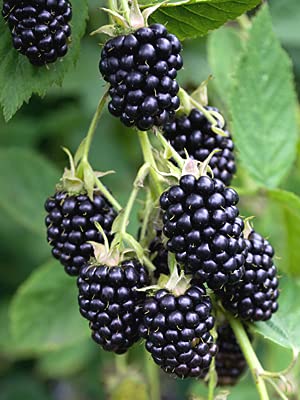
Includes four (4) "Natchez" Blackberry Plants with USPS Shipping. These are 2 inch rooted plants shipped in 2 inch tray pots and are 3-6 inches tall.
Considering Climate and Region
In choosing blackberry varieties, it’s essential to consider your local climate and region. Different blackberry cultivars thrive in specific conditions. For instance, if you live in a colder climate, opt for varieties like ‘Chester Thornless’ or ‘Illini Hardy’ that can withstand frost. On the other hand, if you reside in a warmer region, ‘Natchez’ or ‘Prime-Ark Freedom’ might be better suited due to their heat tolerance.
Differences Between Thorned and Thornless Blackberries
Blackberries come in both thorned and thornless varieties, each with its advantages. Thornless blackberries are easier to harvest and maintain as they don’t have prickly thorns that can cause scratches while picking. Some popular thornless options include ‘Apache,’ ‘Triple Crown,’ and ‘Navaho.’ Conversely, thorned varieties like ‘Kiowa’ or ‘Cheyenne’ are known for their robust flavor profiles but require more careful handling during harvest.
By understanding these differences and considering your local climate, you can choose the perfect blackberry varieties that will thrive in your garden environment.
Preparing Your Garden for Blackberries
To ensure successful blackberry cultivation, you need to prepare your garden properly. Here’s how you can get started:
Selecting the Perfect Spot
Find a spot in your garden that receives full sunlight for at least 6-8 hours a day. Blackberries thrive in sunny locations and produce more fruit when exposed to ample sunlight. Ensure there is good air circulation around the plants to prevent diseases.
Soil Preparation and Fertilization Requirements
Blackberries prefer well-draining soil with a pH level between 5.5 and 7. If your soil is too acidic or alkaline, amend it accordingly before planting. Incorporate organic matter like compost or aged manure into the soil to improve its structure and fertility. Fertilize the plants with a balanced fertilizer in early spring to promote healthy growth and fruit production.
By following these steps, you’ll create an ideal environment for your blackberry plants to flourish and yield bountiful harvests of delicious berries.
Planting Blackberries
When it comes to planting blackberries in your garden, there are a few key factors to consider to ensure their successful growth. Here’s what you need to know:
Best Time to Plant
Plant blackberries in late winter or early spring when the plants are dormant. This timing allows the roots to establish before the growing season starts, leading to healthier plants and better fruit production.
Step-by-Step Guide to Planting
- Choose the Right Location: Select a sunny spot with good air circulation for your blackberry plants. Ensure they receive at least 6-8 hours of sunlight daily.
- Prepare the Soil: Blackberries thrive in well-draining soil with a pH level between 5.5 and 7.0. Conduct a soil test and amend as needed with organic matter like compost.
- Dig a hole twice as wide and deep as the plant’s root ball.
- Place the plant in the hole, ensuring that the crown sits just above ground level.
- Backfill with soil and water thoroughly.
- Support Structures: Install trellises or support structures for trailing varieties to keep the canes off the ground and promote better airflow.
- Mulch and Water: Apply mulch around the plants to retain moisture, suppress weeds, and regulate soil temperature. Water regularly, especially during dry periods.
Caring for Your Blackberry Plants
Taking care of your blackberry plants is crucial to ensure a bountiful harvest. Here are essential tips on watering techniques, pruning, and training your blackberries for optimal growth.
Watering Techniques
Watering your blackberry plants correctly is vital for their health and productivity. Here’s how to do it right:
- Regular Watering: Blackberries need consistent moisture, especially during the growing season. Ensure the soil remains moist but not waterlogged.
- Deep Watering: Instead of frequent shallow watering, opt for deep watering sessions to encourage root growth. Aim to moisten the soil at least 6-8 inches deep.
- Morning Watering: It’s best to water your blackberries in the morning to allow foliage time to dry before evening, reducing the risk of diseases.
- Mulching: Apply a layer of mulch around your plants to retain moisture and reduce evaporation, helping maintain soil moisture levels.
Pruning and Training Blackberries
Proper pruning and training contribute significantly to the health and productivity of your blackberry plants:
- Annual Pruning: Prune your blackberry plants annually during late winter or early spring while they’re dormant. Remove dead canes and thin out overcrowded areas.
- Training Systems: Depending on the type of blackberries you’re growing—erect or trailing varieties—choose an appropriate trellis system for support.
- Tipping New Growth: To encourage lateral branching and increase fruit production, consider tipping new canes when they reach a height of 3 feet.
- Removing Spent Canes: After fruiting, promptly remove canes that have borne fruit as they won’t produce again; this promotes airflow within the plant.
Common Challenges in Growing Blackberries
Growing blackberries can be a rewarding experience, but it also comes with its set of challenges. Here are some common issues you may encounter and how to address them effectively.
Pest Management
Dealing with pests is a crucial aspect of growing blackberries. One common pest that affects blackberry plants is the Spotted Wing Drosophila. These tiny flies lay eggs in ripe fruit, leading to infestation. To manage this pest, consider using row covers to protect your plants or organic insecticides approved for use on berries. Another common pest is the Raspberry Crown Borer, which damages canes and weakens the plant. Regularly inspect your blackberry bushes for signs of infestation such as wilting canes or holes in the stems and apply appropriate control measures promptly.
Disease Prevention
Preventing diseases is essential for maintaining healthy blackberry plants. One prevalent disease in blackberries is Anthracnose, which causes dark lesions on canes and fruit, affecting overall plant health. To prevent Anthracnose, ensure proper spacing between plants for good air circulation, prune out infected canes immediately, and avoid overhead watering that can spread fungal spores. Another common disease is Orange Rust, characterized by orange pustules on the undersides of leaves. Remove and destroy infected leaves as soon as you notice them to prevent the spread of the disease.
By being proactive in managing pests and preventing diseases in your blackberry patch, you can ensure robust plant growth and bountiful harvests year after year.
Harvesting and Using Blackberries
When it’s time to harvest your blackberries, look for these signs of ripeness:
Signs of Ripeness
- Color: Ripe blackberries are dark in color, usually black or deep purple, depending on the variety.
- Texture: They should be plump, firm, and easily come off the plant with a gentle tug.
- Taste: A ripe blackberry will taste sweet and juicy with a slight tartness.
To enjoy your harvest beyond the picking season, follow these storage and preservation tips:
- Refrigeration: Store fresh blackberries in the refrigerator unwashed in a single layer on a paper towel-lined tray for up to 3-6 days.
- Freezing: Spread washed and dried blackberries in a single layer on a baking sheet, freeze until solid, then transfer to an airtight container for long-term storage.
- Jam Making: Turn excess berries into delicious jams by cooking them with sugar and lemon juice before canning or refrigerating.
- Baking: Incorporate fresh or frozen blackberries into pies, muffins, or crumbles for delightful treats year-round.
Conclusion
You’ve learned the ins and outs of growing your own blackberries at home. From selecting the right varieties to caring for your plants with proper watering, pruning, and training techniques, you’re well on your way to a bountiful harvest. Remember to keep an eye out for those ripe berries by knowing the signs of readiness. Once harvested, you can enjoy your blackberries fresh, store them in various ways like refrigeration or freezing, create delicious jams, or use them in baking recipes for a year-round treat. With these tips in mind, you’re all set to cultivate your very own supply of juicy blackberries right in your backyard!
Frequently Asked Questions
Can I grow blackberries at home?
Yes, you can grow blackberries at home by selecting suitable varieties and preparing the garden with proper soil conditions and sunlight exposure.
How do I care for blackberry plants?
Care for blackberry plants by watering them regularly, pruning to remove old canes, and training new growth properly along a support system such as a trellis.
How can I manage pests and diseases in my blackberry plants?
Manage pests and diseases in blackberry plants by inspecting regularly for signs of infestation or infection and using appropriate organic or chemical treatments as needed.
When is the right time to harvest ripe blackberries?
Harvest ripe blackberries when they are fully colored, plump, and easily detach from the plant with a gentle tug.
What are some tips for storing harvested blackberries?
Store harvested blackberries by refrigerating them unwashed in a container lined with paper towels or freezing them on a baking sheet before transferring to sealed bags for long-term storage.
