

Ever wondered if your shady garden spot could be the perfect home for thriving blackberry bushes? Picture this: you have a cozy corner in your yard that gets dappled sunlight, and you’re eager to transform it into a fruitful oasis. But can blackberries actually flourish in partial shade?
Key Takeaways
- Blackberries typically require at least 6-8 hours of direct sunlight daily for optimal growth and fruit production.
- Growing blackberries in partial shade can offer benefits like reduced sunburn risk, extended harvest season, and less water requirements.
- However, challenges of growing blackberries in partial shade include slower growth rates, decreased fruit production, and increased disease susceptibility.
- Best practices for cultivating blackberries in partial shade include ensuring well-drained soil, monitoring moisture levels, mulching, proper fertilization, strategic planting techniques, and selecting suitable varieties like Marion, Boysen, and Chester.
Understanding Light Requirements for Blackberries
When it comes to growing blackberries, understanding their light requirements is crucial for a successful harvest. Here’s what you need to know:
Importance of Sunlight
Sunlight plays a vital role in the growth and fruit production of blackberry bushes. Adequate sunlight exposure is essential for photosynthesis, the process by which plants convert light energy into sugars vital for their growth. Blackberries typically require at least 6-8 hours of direct sunlight each day to thrive and produce abundant fruits.
Effects of Shade on Growth
Insufficient sunlight can negatively impact the growth and fruiting capacity of blackberry bushes. In partial shade conditions, where sunlight is limited or dappled, blackberries may struggle to photosynthesize effectively, leading to stunted growth and reduced fruit yield. While some varieties of blackberries can tolerate partial shade to an extent, optimal fruit production occurs in full sun conditions.
Ensure that your blackberry bushes receive adequate sunlight by planting them in a location with maximum sun exposure throughout the day. By providing the right amount of light, you’ll set your blackberries up for success and enjoy a bountiful harvest come picking season.
Blackberries in Partial Shade: Pros and Cons
When considering growing blackberries in partial shade, there are specific advantages and challenges to keep in mind. Let’s explore the benefits of cultivating blackberries in less sunlight as well as the difficulties you may encounter.
Recommended Products
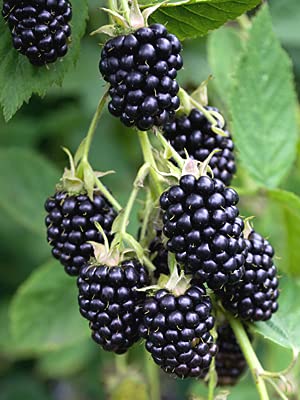
Includes four (4) "Natchez" Blackberry Plants with USPS Shipping. These are 2 inch rooted plants shipped in 2 inch tray pots and are 3-6 inches tall.
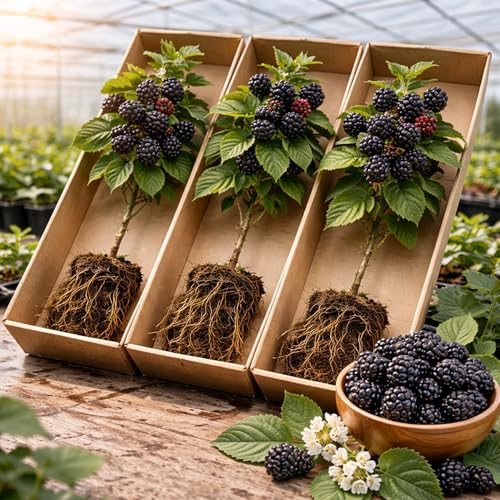
THORNLESS AND SAFE TO HARVEST: Apache blackberries are completely thornless, allowing for easy and pain-free picking. Ideal for families, children, and gardeners of all skill levels.

Benefits of Growing in Partial Shade
- Reduced Sun Exposure: Blackberries grown in partial shade are less prone to sunburn, especially in hot climates.
- Extended Harvest Season: With some shade during the day, blackberries might ripen more gradually, extending your harvesting period.
- Less Water Requirements: Partially shaded areas can retain moisture better than fully sunny spots, reducing the need for frequent watering.
- Protection from Extreme Heat: During scorching summers, partial shade can shield blackberry bushes from excessive heat stress.
- Slower Growth Rate: Blackberry bushes may grow at a slower pace when not receiving sufficient sunlight.
- Decreased Fruit Production: Limited sunlight can lead to fewer flowers and ultimately reduce fruit yield.
- Increased Disease Susceptibility: Insufficient light might make the plants more vulnerable to diseases due to weakened immune responses.
- Thinning of Foliage: Blackberry foliage could become sparse or thin in partial shade conditions compared to full sun locations.
While growing blackberries in partial shade offers certain benefits such as protection from sunburn and extended harvest seasons, it also presents challenges like slower growth rates and reduced fruit production due to decreased sunlight exposure. Consider these factors carefully when deciding on the best location for your blackberry bushes to thrive effectively.
Best Practices for Cultivating Blackberries in Partial Shade
When growing blackberries in partial shade, it’s essential to consider specific practices that can optimize their growth and yield. Below are some key strategies to help you cultivate healthy blackberry bushes even in areas with limited sunlight.
Recommended Products

FOR USE ON: Use Berry-tone organic fertilizer for all berries including blueberries, strawberries, raspberries, and blackberries

Supports Growth & Root Strength – Blackberry plant fertilizer that helps promote strong roots, healthy canes, and consistent plant development.

FOR USE ON: Use Berry-tone organic fertilizer for all berries including blueberries, strawberries, raspberries, and blackberries
Soil and Moisture Considerations
In partial shade conditions, ensuring proper soil quality and moisture levels is crucial for the health of your blackberry plants. Here’s what you need to keep in mind:
- Well-Drained Soil: Blackberries thrive in well-drained soil, so make sure the planting area has good drainage to prevent waterlogging, which can lead to root rot.
- Moisture Monitoring: While blackberries require regular watering, be cautious not to overwater them, especially in shaded areas where evaporation rates may be lower. Monitor soil moisture levels regularly to avoid waterlogged conditions.
- Mulching: Applying a layer of organic mulch around the base of the blackberry plants can help retain moisture, regulate soil temperature, and suppress weed growth. Mulching is particularly beneficial in partially shaded areas where moisture retention may be challenging.
- Fertilization: Consider using a balanced fertilizer suitable for berry-producing plants to provide essential nutrients for healthy growth. Follow recommended guidelines for fertilizing blackberries based on your specific soil conditions.
Planting Techniques and Positioning
Proper planting techniques and strategic positioning play a significant role in maximizing light exposure and promoting optimal growth for blackberry bushes in partial shade settings:
- Spacing: When planting blackberries, ensure an appropriate distance between each plant to allow adequate air circulation and prevent overcrowding that can promote disease development.
- Orientation: Orientate your blackberry rows or individual plants in a north-south direction if possible when dealing with partial shade. This orientation helps maximize sunlight exposure throughout the day by reducing shading effects from neighboring plants.
- Pruning: Regular pruning is essential for managing the size and structure of blackberry bushes while also promoting better light penetration into shaded areas of the plant canopy.
- Trellising: Consider installing trellises or supports for your blackberry plants to encourage upward growth and create a more open canopy structure that allows better light penetration into the plant foliage.
By implementing these best practices related to soil management, planting techniques, and positioning strategies, you can enhance the overall health and productivity of your blackberry bushes even when grown in partial shade environments.
Recommended Varieties for Shaded Areas
When considering blackberry varieties that thrive in partial shade, it’s essential to select cultivars known for their adaptability to lower light conditions. Some recommended varieties for shaded areas include:
- Marion: This variety is well-suited for partially shaded locations and offers excellent fruit quality.
- Boysen: Boysenberries can tolerate some shade while still producing flavorful berries.
- Chester: Chester blackberries are known for their ability to grow in areas with less sunlight compared to other varieties.
By opting for these recommended blackberry varieties, you can increase your chances of a successful harvest even in partially shaded environments.
Recommended Products

Grow your own blackberries; With the Arapaho vine you can grow your own source of sweet delcious blackberries right in your front or backyard. These fruit vines consistently produce lots of berries

🍓 3 Popular Berry Plants in One Pack: Get 2 of each plant. Includes live Blueberry, Raspberry, and Blackberry plants—America’s most loved backyard fruits for fresh eating, smoothies, and desserts.

PRODUCE A BUSHEL OF BLACKBERRIES — Produce Big Fresh Berry in the First Year of Planting (One of the Largest Blackberry size Varieties)
Conclusion
Optimizing sunlight exposure is crucial for successful blackberry cultivation, but growing them in partial shade is indeed possible. By following the recommended strategies and selecting suitable varieties like Marion, Boysen, and Chester, you can enhance growth and fruit production even in areas with limited sunlight. Remember to focus on soil quality, moisture levels, spacing, orientation, pruning, and trellising to maximize the health and productivity of your blackberry bushes. With careful attention to these factors, you can enjoy a bountiful harvest of delicious blackberries in partially shaded environments. Happy growing!
Frequently Asked Questions
Can blackberries grow in partial shade?
Yes, blackberries can grow in partial shade, but they thrive best with 6-8 hours of direct sunlight daily for optimal growth and fruit production.
How does insufficient light affect blackberry plants?
Insufficient light hinders photosynthesis in blackberry plants, leading to stunted growth and reduced fruit yield.
What are some strategies for cultivating blackberries in partially shaded areas?
Consider optimizing soil quality, moisture levels, spacing, orientation, pruning, and trellising to enhance the health and productivity of blackberry bushes in partially shaded environments.
Which blackberry varieties are suitable for shaded areas?
Varieties such as Marion, Boysen, and Chester are well-suited for shaded areas due to their excellent fruit quality and adaptability to lower light conditions.
