
Close Menu
    Fruit Tree Hub
    • Home
    • Apple Trees
    • Lemon Trees
    • Mango Trees
    • Orange Trees
    • More Trees
      • Best Fruit Trees
      • Apricot Trees
      • Cherry Trees
      • Fig Trees
      • Lime Trees
      • Mulberry Trees
      • Peach Trees
      • Pear Trees
      • Plum Trees
      • Pomegranate Trees
    • Tips and Advice
      • Tools
    • About Us
      • Contact
      • Privacy Policy
    Fruit Tree Hub
    Home»Tips and Advice»How Long Does Peach Tree Take to Fruit: Essential Tips for Faster Growth and Care
    Tips and Advice

    How Long Does Peach Tree Take to Fruit: Essential Tips for Faster Growth and Care

    Martha JacksonBy Martha JacksonDecember 5, 20248 Mins Read
    Share Facebook Twitter Pinterest WhatsApp Email
    Share
    Facebook Twitter LinkedIn Pinterest Telegram Email

    Have you ever planted a peach tree and wondered when you’ll finally get to enjoy those juicy fruits? You’re not alone. Many new gardeners find themselves eagerly anticipating the moment their trees start to bear fruit, but the timeline can be a bit tricky.

    Contents show
    1 Key Takeaways
    2 Overview of Peach Trees
    2.1 Types of Peach Trees
    2.2 Ideal Growing Conditions
    3 Factors Influencing Fruit Production
    3.1 Tree Age
    3.2 Climate and Weather
    4 Timeline for Peach Fruit Development
    4.1 From Planting to First Fruit
    4.2 Maturity Timeline
    5 Care and Maintenance for Optimal Fruiting
    5.1 Watering and Fertilization
    5.2 Pruning and Pest Control
    6 Conclusion
    7 Frequently Asked Questions
    7.1 How long does it take for peach trees to bear fruit?
    7.2 What factors influence peach tree fruiting?
    7.3 What are the ideal growing conditions for peach trees?
    7.4 How should I care for peach trees to optimize fruit production?
    7.5 What is the expected yield of mature peach trees?

    Key Takeaways

    • Timeline for Fruiting: Peach trees typically start bearing fruit 3 to 5 years after planting, influenced by factors such as tree variety and care.
    • Types of Peach Trees: Understanding different peach tree varieties—freestone, clingstone, cold-hardy, and miniature—helps choose the best fit for your climate and needs.
    • Ideal Growing Conditions: Successful fruiting requires sufficient sunlight (at least 6 hours daily), well-draining soil with a pH of 6.0 to 7.0, regular watering, and appropriate temperature management.
    • Tree Age Matters: Younger trees (less than 3 years) often do not produce fruit, so proper care during this period is essential for encouraging earlier fruiting.
    • Care and Maintenance: Regular watering, balanced fertilization, and proper pruning are crucial for healthy growth and fruit production, ensuring a bountiful harvest once the tree matures.
    • Maturity and Yields: Peach trees reach peak productivity about 4 to 6 years after planting, with mature trees capable of yielding 100 to 200 pounds of fruit annually in optimal conditions.

    Overview of Peach Trees

    Peach trees are a popular choice for home gardeners eager to enjoy fresh fruit. Understanding the types and ideal conditions for these trees helps ensure successful growth and fruiting.

    MUST READ
    How Long Does a Lemon Tree Take to Fruit for a Bountiful Homegrown Harvest

    Types of Peach Trees

    Peach trees come in several varieties, each suitable for different climates and uses. Common types include:

    • Freestone Peach Trees: The flesh separates easily from the pit. These varieties are popular for eating fresh.
    • Clingstone Peach Trees: The flesh clings to the pit. They tend to be better for canning and baking.
    • Cold-Hardy Peach Trees: These varieties can tolerate colder temperatures, making them ideal for northern climates.
    • Miniature Peach Trees: Smaller trees suitable for yards with limited space. They produce full-sized fruit and often require less maintenance.

    Ideal Growing Conditions

    Peach trees thrive under specific conditions to bear fruit successfully. Consider the following factors:

    • Sunlight: Ensure your peach tree receives at least six hours of direct sunlight daily.
    • Soil Quality: Use well-draining soil rich in organic matter. A pH level between 6.0 and 7.0 is ideal.
    • Watering: Regular watering is crucial, especially during dry spells. Aim for at least 1 inch of water per week.
    • Temperature: Most peach trees require chilling hours between 32°F and 45°F during winter. Select varieties suited for your local climate to ensure proper growth.
    • Spacing: Provide ample space between trees, typically 15 to 20 feet apart, to promote air circulation and reduce disease risk.

    These factors play a significant role in how long it takes for peach trees to bear fruit, typically ranging from 3 to 5 years after planting, depending on the variety and care provided.

    Factors Influencing Fruit Production

    Several factors affect how long it takes for peach trees to produce fruit. Understanding these can help you optimize growth and enjoy your harvest sooner.

    Recommended Products

    Peach Tree Fertilizer – Liquid Plant Food for Healthy Growth, 32 oz
    Peach Tree Fertilizer – Liquid Plant Food for Healthy Growth, 32 oz

    Made for Peach Trees - This peach tree fertilizer is formulated specifically to support healthy growth and fruiting in peach trees.

    VIEW LATEST PRICE

    As an affiliate, we earn on qualifying purchases.

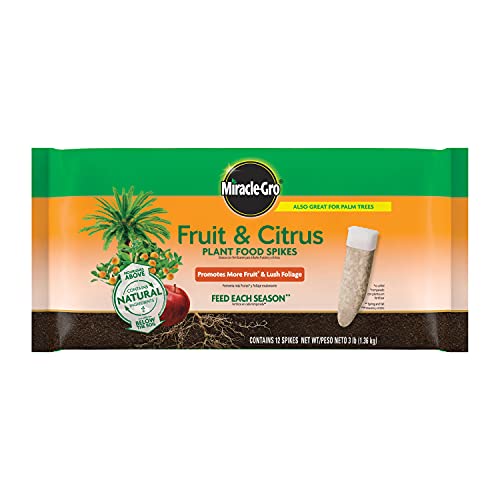
    Miracle-Gro Fruit & Citrus Plant Food Spikes, 12 Spikes, 3 lb.
    Miracle-Gro Fruit & Citrus Plant Food Spikes, 12 Spikes, 3 lb.

    FORMULATED FOR CITRUS AND FRUIT TREES: Use these citrus fertilizer spikes on apple, orange, lemon, lime, and avocado trees; this formula is also great for feeding palm trees

    MUST READ
    Do the Cherry Trees in Washington Bear Fruit and What You Need to Know About Their Harvest
    VIEW LATEST PRICE

    As an affiliate, we earn on qualifying purchases.

    16oz Peach Plant Fertilizer - Makes 16 Gallons of Peach Tree Fertilizer for Peaches, Liquid Plant Food with Macronutrients + Micronutrients for Bigger, Sweeter Fruits, Healthy Growth & Strong Roots
    16oz Peach Plant Fertilizer - Makes 16 Gallons of Peach Tree Fertilizer for Peaches, Liquid Plant Food with Macronutrients + Micronutrients for Bigger, Sweeter Fruits, Healthy Growth & Strong Roots

    2X MORE VALUE: HiThrive Peach Plant Fertilizer 16 oz bottle makes 16 gallons of fruit tree spray, while the bigger size 32 oz makes 32 gallons to keep your peach trees thriving season after season.

    VIEW LATEST PRICE

    As an affiliate, we earn on qualifying purchases.

    Tree Age

    Tree age plays a critical role in fruit production. Most peach trees start bearing fruit between 3 to 5 years after planting. Young trees, typically those younger than three years, may not produce any fruit at all. Proper care during these early years, such as adequate watering and fertilization, can encourage earlier fruiting.

    Climate and Weather

    Climate and weather conditions significantly influence peach tree fruiting. Peach trees thrive in warm temperatures, with ideal growing conditions ranging from 75°F to 85°F during the growing season. A late spring frost can damage blossoms, delaying fruiting. Locations with well-defined seasons, including a chilling period in winter, enhance fruit set. Poor weather during pollination also leads to reduced fruit production.

    Timeline for Peach Fruit Development

    Peach trees typically take time to produce fruit, influenced by various factors like variety, care, and climate. Understanding this timeline helps you manage expectations and optimize care for your trees.

    Recommended Products

    Peach Tree Fertilizer – Liquid Plant Food for Healthy Growth, 8 oz
    Peach Tree Fertilizer – Liquid Plant Food for Healthy Growth, 8 oz

    Made for Peach Trees - This peach tree fertilizer is formulated specifically to support healthy growth and fruiting in peach trees.

    VIEW LATEST PRICE

    As an affiliate, we earn on qualifying purchases.

    Donut Peach Fruiting Tree 1 Gal., Due to Agricultural Laws, we Cannot Ship to CA, AZ, AK, or HI - Orders Will be Cancelled if You Ship to one of These States
    Donut Peach Fruiting Tree 1 Gal., Due to Agricultural Laws, we Cannot Ship to CA, AZ, AK, or HI - Orders Will be Cancelled if You Ship to one of These States

    Self-pollinating and vigorous grower for reliable harvests

    MUST READ
    Can I Plant Fruit Trees In January
    VIEW LATEST PRICE

    As an affiliate, we earn on qualifying purchases.

    Farmer's Secret Fruit Tree Booster Fertilizer - Super Concentrated and Phosphorus Rich - Formulated for All Fruit Trees Including Peach, Banana, and Apple (32oz)
    Farmer's Secret Fruit Tree Booster Fertilizer - Super Concentrated and Phosphorus Rich - Formulated for All Fruit Trees Including Peach, Banana, and Apple (32oz)

    Let our professionally formulated plant food help your fruit tree grow healthy, strong AND abundantly producing
    VIEW LATEST PRICE

    As an affiliate, we earn on qualifying purchases.

    From Planting to First Fruit

    Peach trees usually bear fruit 3 to 5 years after planting, but this varies by variety and conditions. For example, early-bearing varieties may yield fruit in just 3 years, while others may take longer. Ensure you provide adequate sunlight and water during this period to encourage healthy growth.

    If you select a younger tree, expect a longer wait. Trees younger than three years often don’t produce fruit, so patience is essential. Proper care, including pruning and fertilization, can ease this waiting period by supporting healthy growth.

    Maturity Timeline

    Once your peach tree begins fruiting, it will continue to mature over time. In the first few years, the quantity of fruit may vary. Typically, expect a modest yield in the initial years, increasing as the tree matures. By year four or five, your tree can produce a significant harvest, reaching its peak productivity around 4 to 6 years after planting.

    After reaching maturity, maintain regular care practices. Adequate watering, pruning, and fertilization contribute to a consistent and bountiful harvest every year. In optimal conditions, a mature peach tree can yield between 100 to 200 pounds of fruit annually.

    Care and Maintenance for Optimal Fruiting

    Caring for your peach tree directly influences how quickly it bears fruit. Adhering to proper practices ensures healthy growth and a robust harvest.

    Recommended Products

    10-10-10 Plant Fertilizer Slow Release - 10 10 10 All Purpose Granular Garden Fertilizer for Vegetables, Tomato, Arborvitae, Shrubs, Rose, Flowers, Fruit, Fig Trees (1/2 Quart)
    10-10-10 Plant Fertilizer Slow Release - 10 10 10 All Purpose Granular Garden Fertilizer for Vegetables, Tomato, Arborvitae, Shrubs, Rose, Flowers, Fruit, Fig Trees (1/2 Quart)

    🌿 Balanced 10-10-10 Granular Fertilizer for Outdoor & Indoor Plants: All-purpose plant food with 10% Nitrogen, 10% Phosphorus, and 10% Potassium. Perfect for outdoor vegetable gardens, fruit trees, evergreens, shrubs, lawns, and flowers. Also great for potted plants and indoor gardening. One solution for all your plant needs!

    MUST READ
    When to Stop Watering Fruit Trees in the Fall for Healthy Growth and Winter Readiness
    VIEW LATEST PRICE

    As an affiliate, we earn on qualifying purchases.

    Southern Ag All Purpose Granular Fertilizer 10-10-10, 5 LB Size: 5 LB
    Southern Ag All Purpose Granular Fertilizer 10-10-10, 5 LB Size: 5 LB

    Size: 5 LB

    VIEW LATEST PRICE

    As an affiliate, we earn on qualifying purchases.

    Farmer's Secret Fruit Tree Booster Fertilizer - Super Concentrated and Phosphorus Rich - Formulated for All Fruit Trees Including Peach, Banana, and Apple (8oz)
    Farmer's Secret Fruit Tree Booster Fertilizer - Super Concentrated and Phosphorus Rich - Formulated for All Fruit Trees Including Peach, Banana, and Apple (8oz)

    Let our professionally formulated plant food help your fruit tree grow healthy, strong AND abundantly producing

    VIEW LATEST PRICE

    As an affiliate, we earn on qualifying purchases.

    Watering and Fertilization

    Water your peach tree regularly, especially during dry spells. Aim for deep watering sessions, about once a week, to encourage deep root growth. Adjust frequency based on rainfall and soil type—sandy soils dry out quicker than clay soils.

    Fertilization plays a crucial role in fruit production. Use a balanced fertilizer, like a 10-10-10 NPK mix, during early spring when new growth appears. Apply about 1 to 2 pounds for each year of the tree’s age, with a maximum of 10 pounds for mature trees. Avoid over-fertilizing, as excessive nitrogen may lead to lush foliage with fewer fruits.

    Pruning and Pest Control

    Pruning promotes air circulation and sunlight exposure, helping your tree stay healthy. Perform pruning in late winter or early spring. Remove dead or crossing branches and shape the tree to maintain an open center, which encourages better fruiting. Aim to remove about 20% of the tree’s upper growth annually.

    Monitor for pests like peach tree borers and aphids. Inspect leaves and stems regularly. If you notice infestations, treat them promptly with insecticidal soap or organic neem oil. Additionally, applying sticky traps around the base can help control pest populations.

    MUST READ
    What Month to Plant Fruit Trees: Timing Tips for a Successful Harvest

    Conclusion

    Growing peach trees can be a rewarding journey filled with anticipation. While it typically takes 3 to 5 years for your trees to start bearing fruit the wait is definitely worth it. With the right care and attention you can help your trees thrive and enjoy a bountiful harvest in time.

    Remember to stay patient and keep nurturing your peach trees. By providing the proper conditions and maintenance you’ll not only encourage fruit production but also create a beautiful addition to your garden. So roll up your sleeves and get ready to enjoy the sweet rewards of your hard work. Happy gardening!

    Frequently Asked Questions

    How long does it take for peach trees to bear fruit?

    Peach trees typically take about 3 to 5 years to bear fruit after planting. This timeline can vary based on the variety and the care provided. Early-bearing varieties might produce fruit in just 3 years, while younger trees may need a longer wait.

    What factors influence peach tree fruiting?

    Several factors impact fruiting, including tree age, climate, and weather conditions. Most peach trees begin to produce fruit between 3 to 5 years old. Warm temperatures are ideal, while late spring frosts can delay fruiting.

    What are the ideal growing conditions for peach trees?

    Peach trees thrive in full sunlight, well-drained soil, and consistent watering. They require a temperature range conducive to growth and good spacing to allow for air circulation and sunlight exposure. Proper care is crucial for successful fruiting.

    How should I care for peach trees to optimize fruit production?

    To optimize fruit production, ensure regular deep watering, particularly during dry spells. Use a balanced fertilizer in early spring, apply proper pruning techniques, and implement pest control measures to keep trees healthy and productive.

    What is the expected yield of mature peach trees?

    Once established, mature peach trees can yield between 100 to 200 pounds of fruit annually. Initial years of fruiting may yield less, with peak productivity reached around 4 to 6 years after planting, depending on care and conditions.

    Share. Facebook Twitter Pinterest LinkedIn Tumblr Email
    martha jackson
    Martha Jackson

      Martha Jackson is an accomplished freelance writer and editor with a strong interest in gardening. With a degree in English from the University of California, Berkeley, Martha has over 15 years of experience writing for a variety of publications. She is passionate about making gardening accessible to all and is always seeking out new techniques and innovations.

      Related Posts

      How Long Until Avocado Trees Bear Fruit and Tips for Faster Growth at Home

      February 20, 2025

      What Yellow Fruit Grows on Trees and Their Delicious Health Benefits

      February 20, 2025

      How to Air Layer Fruit Trees: A Step-by-Step Guide for Successful Propagation

      February 20, 2025

      When Do Grapefruit Trees Produce Fruit and How to Maximize Your Harvest

      February 20, 2025

      What Is a Fast Growing Fruit Tree: Discover Quick-Yield Options for Your Garden

      February 20, 2025

      Do Cherry Blossom Trees Have Fruit? Discover the Truth About Their Edibility and Benefits

      February 20, 2025
      Leave A Reply Cancel Reply

      Affiliate Disclosure

      As an Amazon Associate I earn from qualifying purchases.

      Recommended Reading

      Pear Trees in a Pot in Illinois (Indoor and Patio Care Guide)

      Jujube Trees in Chandler, AZ (Low-Water Desert Strategies)

      How to Graft a Fruit Tree Branch: A Step-by-Step Guide for Success in Your Garden

      Can Orange Trees Grow in Pennsylvania? Keystone State Tips

      Where Do Kiwi Plants Grow Best: Tips for Successful Cultivation

      What Fruit Trees Grow in Zone 4b: Best Varieties for Thriving Gardens in Cold Climates

      Can You Grow Grapes in Louisiana? Tips for Successful Cultivation in a Challenging Climate

      Top Fruit Trees for Plano, TX: North Texas Soil Preparation

      Can Mango Trees Grow in Montana? Mountain Climate Solutions

      What Is a Fruit Cocktail Tree and How to Grow One in Your Garden

      Fruit Tree Hub

      Fruit Tree Hub is a website dedicated to providing you everything you need to grow fruit trees successfully at in your own yard.

      Contact us at: [email protected]

      - AFFILIATE DISCLOSURE: As an Amazon Associate I earn from qualifying purchases.

      Latest Posts

      Can Olive Trees Grow in New Jersey? Garden State Growth Tips

      Can Star Fruit Trees Grow in Missouri? Expert Variety Guide

      How to Grow Jujube Trees in Las Vegas, NV: Desert Growth

      Mango Trees in Illinois: Indoor and Greenhouse Growth Secrets

      Growing Papaya Trees in Oklahoma: High Heat Resilience

      Tamarind Trees in a Pot in Ohio (Complete Maintenance Manual)

      Can Fig Trees Grow in Long Beach, CA? Coastal Salt Tips

      Plum Trees in District of Columbia (Urban Microclimate Tips)

      Categories
      • Almond Trees
      • Apple Trees
      • Apricot Trees
      • Best Fruit Trees
      • Blackberry
      • Cantaloupe
      • Cherry Trees
      • Crochet Ideas
      • Crochet Ideas for Beginners
      • Cucamelon
      • Easy Crochet Ideas
      • Easy Knitting Projects
      • Fig Trees
      • Grapefruit Trees
      • Grapes
      • Guava Trees
      • Honeydew
      • Jujube Trees
      • Kiwi
      • Knitting For Beginners
      • Knitting Ideas
      • Knitting Inspiration
      • Lemon Trees
      • Lime Trees
      • Loquat Trees
      • Mango Trees
      • Mulberry Trees
      • Nectarine Trees
      • Olive Trees
      • Orange Trees
      • Papaya Trees
      • Peach Trees
      • Pear Trees
      • Persimmon Trees
      • Planting
      • Plum Trees
      • Pomegranate Trees
      • Quince Trees
      • Raspberry
      • Reviews
      • Small Crochet Ideas
      • Star Fruit Trees
      • Summer Crochet Ideas
      • Tamarind Trees
      • Tangerine Trees
      • Tips and Advice
      • Tools
      • Uncategorized
      • Walnut Trees
      © 2026 Fruit Tree Hub
      • Home
      • About Us
      • Contact
      • Privacy Policy
      • Terms and Conditions
      • Disclaimer
      • Editorial Policy
      • Affiliate Disclosure

      Type above and press Enter to search. Press Esc to cancel.