

Cherry trees in Glendale, AZ require specific care and irrigation strategies to thrive in the desert climate. Proper irrigation techniques and maintenance practices can significantly enhance their growth and fruit production.
Cherry Tree Care in Glendale’s Desert Climate
Cherry trees are not native to desert environments, making their care in Glendale particularly challenging. The high temperatures and low humidity levels can stress these trees, leading to poor growth and reduced fruit yield. Understanding the specific needs of cherry trees in this climate is essential for successful cultivation.
Cherry trees typically require well-drained soil and consistent moisture. In Glendale, the hot summers necessitate a careful balance of hydration to prevent drought stress. Implementing effective irrigation techniques is crucial for maintaining tree health.
Recommended Products

SAVE TIME AND EFFORT: This plant watering kit has everything you need to get started with drip irrigation and precisely water up to ten individual plants. Use the kit to build, expand, or repair a drip irrigation system
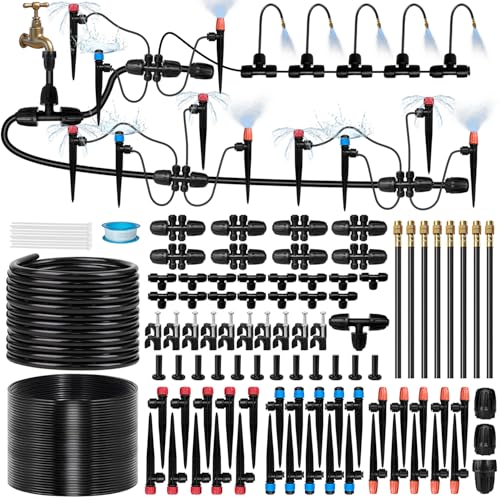
【Upgraded Tube Design & Water Saving】 Our garden watering system is upgraded to 1/2” diameter to support high water pressure. The 1/2” tee connector allows seamless splitting into 2 independent zones for customized watering schedules. By delivering moisture directly to root zones, this drip Irrigation system significantly reduces evaporation and runoff—saving more water compared to conventional sprinklers while eliminating the need for manual watering.
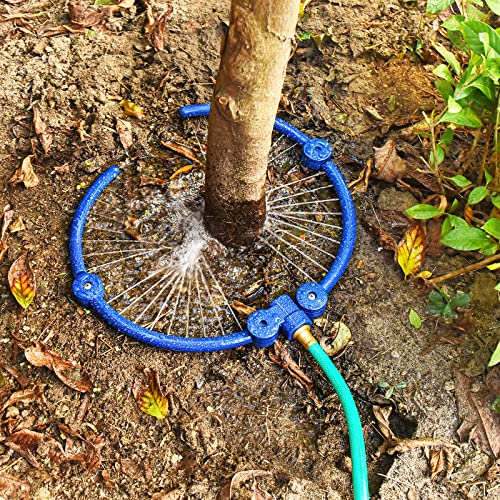
【Specially Designed for Trees and Shrubs】 The Watering Ring is a multi-purpose irrigation ring that attaches to a garden hose to efficiently water young trees shrubs vegetables or flower beds using drip or trickle irrigation.It directs water to the root perimeter of the plant to give them a good start during the first two growing seasons or through periods of drought.
Irrigation Methods for Cherry Trees in Arid Climates
In arid climates like Glendale, AZ, effective irrigation methods are crucial for the health and productivity of cherry trees. Understanding the unique challenges posed by desert conditions can help gardeners implement strategies that ensure these trees thrive despite limited water resources. This section explores various irrigation techniques tailored specifically for cherry trees in such environments.
Irrigation is vital for cherry trees, especially in arid regions. The following methods can help ensure your trees receive adequate water:
Drip Irrigation: This method delivers water directly to the root zone. It minimizes evaporation and runoff, making it efficient for desert conditions.
Soaker Hoses: These hoses allow water to seep slowly into the soil, providing consistent moisture without oversaturating the roots.
Sprinkler Systems: While less efficient, they can be used for broader coverage. Ensure the system is set to water early in the morning to reduce evaporation.
| Irrigation Method | Advantages | Disadvantages |
|---|---|---|
| Drip Irrigation | Efficient water use | Initial setup cost |
| Soaker Hoses | Simple installation | Limited coverage area |
| Sprinkler Systems | Covers large areas | Higher evaporation rates |
Cherry Tree Soil Preparation Techniques
Preparing the soil for cherry trees in Glendale, AZ is crucial for their successful growth in a desert environment. Proper soil preparation techniques can enhance water retention and nutrient availability, ensuring these trees thrive despite the challenging climate. Understanding the specific needs of cherry trees will help gardeners create an optimal foundation for healthy development.
Proper soil preparation is critical for cherry tree success. The soil should be well-draining and rich in organic matter. Here are key steps to prepare the soil:
Test Soil pH: Cherry trees prefer a pH between 6.0 and 7.0. Amend the soil accordingly.
Add Organic Matter: Incorporate compost or well-rotted manure to improve soil structure and fertility.
Mulch: Apply a layer of organic mulch around the base of the tree. This helps retain moisture and suppress weeds.
Cherry Tree Pruning Techniques for Health
Proper pruning techniques are essential for maintaining the health and vitality of cherry trees in Glendale’s unique desert climate. By understanding the specific pruning methods suited to these trees, gardeners can enhance fruit production and promote robust growth, ensuring that their cherry trees thrive despite the challenges of arid conditions.
Pruning is essential for maintaining cherry tree health and encouraging fruit production. Proper techniques can improve air circulation and sunlight penetration. Follow these guidelines:
Timing: Prune during the dormant season, typically late winter or early spring.
Remove Dead or Diseased Wood: Cut back any branches that show signs of disease or damage.
Thin Out Crowded Branches: This promotes better airflow and reduces the risk of fungal diseases.
Pest Control Techniques for Cherry Trees
Effective pest control is essential for maintaining the health of cherry trees in Glendale, AZ, where the unique desert environment presents specific challenges. Understanding the common pests that affect these trees and implementing targeted strategies can help ensure robust growth and fruit production. This section explores various techniques tailored to protect cherry trees from pest-related damage.
Cherry trees can be susceptible to various pests and diseases, especially in a desert environment. Regular monitoring and preventive measures are essential. Consider these strategies:
Regular Inspections: Check for signs of pests such as aphids or spider mites. Early detection allows for timely treatment.
Use Organic Pesticides: Neem oil or insecticidal soaps can effectively control pest populations without harming beneficial insects.
Promote Beneficial Insects: Ladybugs and lacewings can help keep pest populations in check.
| Common Pests | Signs of Infestation | Control Methods |
|---|---|---|
| Aphids | Curling leaves | Neem oil, insecticidal soap |
| Spider Mites | Webbing on leaves | Increase humidity, insecticidal soap |
| Cherry Fruit Fly | Damaged fruit | Traps, organic pesticides |
Cherry Tree Seasonal Irrigation and Pruning
Understanding the seasonal irrigation and pruning needs of cherry trees in Glendale, AZ is essential for their healthy growth and fruit production. This section delves into the specific practices that ensure these trees thrive in the desert climate, highlighting optimal watering schedules and effective pruning techniques tailored to the unique challenges of the region.
Seasonal care is vital for the health of cherry trees in Glendale. Different seasons require specific attention to irrigation, pruning, and pest management.
Spring: Focus on irrigation and fertilization as trees begin to leaf out. Monitor for pests and diseases.
Summer: Ensure consistent watering during hot months. Mulch to retain moisture.
Fall: Prepare trees for winter by reducing watering as temperatures drop. Prune as needed.
Winter: Protect trees from frost damage. Inspect for any winter pests.
Regular care throughout the year will ensure your cherry trees remain healthy and productive.
Cherry Tree Care in Desert Conditions
Caring for cherry trees in the arid climate of Glendale, AZ requires a tailored approach to irrigation and maintenance. Understanding the unique challenges posed by desert conditions is essential for promoting healthy growth and fruit production. This section delves into effective strategies for nurturing cherry trees in this specific environment.
Proper care of cherry trees in Glendale requires a commitment to understanding their unique needs in a desert climate. Focus on effective irrigation, soil management, and pest control to promote healthy growth and fruit production.
Monitor your trees closely and adjust your care strategies as needed to adapt to changing conditions.
