

Have you ever wondered how deep to plant bare root fruit trees for the best results? It’s a common question among gardeners eager to enjoy homegrown fruit. Planting too shallow or too deep can lead to problems down the line, like poor growth or even tree failure.
Key Takeaways
- Correct Planting Depth: For bare root fruit trees, ensure the graft union is level with the soil surface. A planting depth of 12 to 18 inches is generally recommended, adjusted based on the tree species and soil type.
- Soil Type Considerations: Modify planting depth based on soil type; plant slightly higher in clay soils to prevent root rot and deeper in sandy soils to retain moisture.
- Preparation is Key: Dig a hole that’s 2 to 3 times wider than the root spread and soak roots in water prior to planting to induce better establishment.
- Common Pitfalls: Avoid planting too deep or shallow, neglecting soil quality, and failing to monitor moisture levels which can all hinder growth.
- Post-Planting Care: Thoroughly water the area after planting and consistently check soil moisture during the first growing season to promote healthy root establishment.
- Selecting Quality Trees: When choosing bare root trees, prioritize healthy roots, unblemished bark, and appropriate varieties suited for your climate to enhance the chances of successful growth.
Understanding Bare Root Fruit Trees
Bare root fruit trees are young trees sold without soil around their roots. They come dormant, allowing for easier transportation and planting. Bare root trees typically cost less than potted trees and establish well when planted at the right time. Ideal planting months include late winter and early spring when they’re still dormant.
Key Features of Bare Root Trees
- Root System: Bare root trees often have a fibrous root system. This allows better adaptation once in the soil.
- Transplant Shock: They may experience transplant shock, but proper care minimizes this risk.
- Growth Rate: Bare root trees grow faster than container-grown trees, provided you plant them correctly.
Selecting Quality Trees
When choosing bare root fruit trees, look for:
- Healthy roots: Ensure they aren’t dried out, rotted, or broken.
- Unblemished bark: Check for signs of disease or damage.
- Appropriate variety: Select trees suited for your climate.
Preparing for Planting
Preparation simplifies the planting process. Here’s a checklist:
- Select a Location: Choose a sunny spot with well-drained soil.
- Dig a Hole: Aim for a hole that’s twice the width and about the depth of the root system.
- Soak Roots: Immerse the roots in water for a few hours before planting.
By understanding bare root fruit trees, you set the stage for a successful planting experience. Keep these factors in mind for healthy growth and fruitful harvests.
Importance Of Proper Planting Depth
Proper planting depth for bare root fruit trees directly impacts their growth and stability. Achieving optimal depth ensures that trees develop strong root systems and can withstand harsh conditions.
Effects On Growth
Planting bare root trees at the correct depth promotes robust root establishment. Roots buried too deep may struggle to access air and nutrients. Conversely, roots planted too shallow can dry out or become exposed. Aim to position the tree so that the graft union, the point where the rootstock meets the scion, aligns with the soil surface. This placement encourages healthy growth and reduces the risk of diseases and pests.
Effects On Stability
Correct planting depth enhances stability in young fruit trees. If trees are planted too shallow, they can become unstable in strong winds. A stable root system helps anchor the tree, preventing it from leaning or toppling over during storms. This stability also reduces stress on the tree, allowing it to focus energy on growth and fruit production rather than recovery from environmental stressors. Following proper depth guidelines supports overall tree health and longevity.
How Deep To Plant Bare Root Fruit Trees
Planting bare root fruit trees at the correct depth is crucial for their growth and stability. It significantly influences how well the tree will establish itself in your garden.
Recommended Products

Product Quantity: 180+ premium bonsai fruit seeds across 5 varieties; Individual packs contain 40+ apple, 40+ lemon, 40+ orange, 20+ blueberry, and 40+ cherry seeds; Perfect for starting a diverse miniature orchard

🍎 3 Live Apple Tree Saplings: Receive three healthy young apple tree saplings ready to plant and grow in your garden, backyard orchard, or container. Plants ship dormant (not leaves or fruit) in spring.
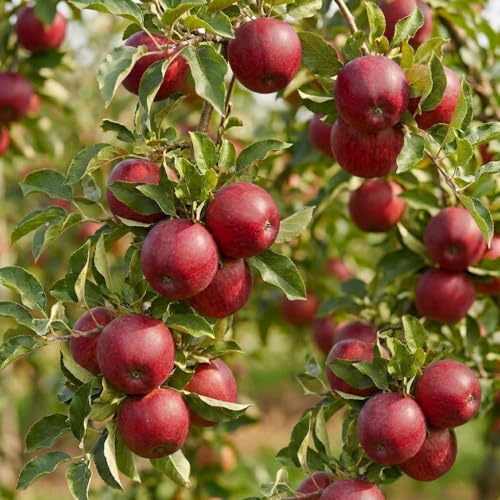
🍎 3 Live Apple Tree Saplings: Receive three healthy young apple tree saplings ready to plant and grow in your garden, backyard orchard, or container. Plants ship dormant (not leaves or fruit) in spring.
General Guidelines
Aim to plant your bare root fruit tree so that the graft union sits level with the soil surface. The graft union is the point where the fruiting variety meets the rootstock. Positioning it correctly allows the tree to access essential nutrients while promoting healthy growth. Typically, this translates to a hole that is deep enough to accommodate the roots without crowding but shallow enough to ensure the graft union remains above soil level. Generally, a depth of 12 to 18 inches serves most bare root varieties, but adjust based on the specific species.
Adjustments For Soil Type
Modify planting depth based on your soil type to enhance tree health. In clay soil, which retains moisture, plant slightly higher to prevent root rot. Conversely, in sandy soil, consider planting deeper to help maintain moisture access for the roots. Always use your fingers to check the depth once the tree is in place. This tactile method helps ensure proper positioning and air access around the roots.
No matter the soil type, remember to backfill the hole carefully, avoiding air pockets around the roots. Watering thoroughly after planting supports healthy settling and encourages strong root establishment.
Steps For Planting Bare Root Fruit Trees
Planting bare root fruit trees involves several straightforward steps. Following this guide ensures successful growth and establishment.
Recommended Products

【Unique Design Deep Root Tree Watering Tool】 Our root watering tool have four exit hole for the water,won't got clogged easily,It made of stainless steel,not rusting from the inside out.It can leave in the soil and is strong enough to drive through gravel,help your plants build a strong root system .

𝐆𝐞𝐧𝐭𝐥𝐞 𝐅𝐫𝐮𝐢𝐭 𝐇𝐚𝐫𝐯𝐞𝐬𝐭𝐢𝐧𝐠: Home-X fruit picking basket features uniquely designed finger-like prongs that gently grasp and pull apples, peaches, and more from branches without causing bruising or damage to the delicate fruit.

Package Includes: Come with 24 pieces of fruit branch forms stronger branches. which can be used to pull the branches flat, and fruit trees can absorb sunlight, ventilation and fruitfulness.
Preparing The Planting Hole
- Choose a Suitable Location: Opt for an area with well-drained soil and adequate sunlight. Look for spots away from competing roots, such as large trees.
- Dig the Hole: Dig a hole that’s wide enough to accommodate the roots comfortably, typically 2 to 3 times wider than the root spread. The depth should be around 12 to 18 inches, but adjust based on your tree variety and soil type.
- Check Soil Type: Assess the soil. For clay soils, it’s often better to dig slightly higher. In sandy soils, deeper planting can help retain moisture.
Positioning The Tree
- Identify the Graft Union: Position your tree so that the graft union sits level with the soil surface. This point is crucial for promoting healthy growth and preventing disease.
- Spread Roots Evenly: Ensure the roots spread out in the hole without crimping or bending. Proper root positioning helps the tree establish itself effectively.
- Check for Air Access: Make sure the planting depth allows air to reach the roots. Use your fingers to feel the depth and ensure optimal positioning.
- Backfill the Hole: Carefully backfill the hole with the original soil, breaking up clumps to avoid air pockets. Firm the soil gently around the roots for stability.
- Water Thoroughly: After backfilling, water the planting area thoroughly. This process helps settle the soil and eliminates any remaining air pockets.
- Monitor Soil Moisture: Keep the soil consistently moist, but not soggy. Regular watering during the first growing season promotes healthy root establishment.
Following these steps allows your bare root fruit trees to thrive, supporting their growth and fruit production over time.
Common Mistakes To Avoid
Avoiding mistakes during the planting process ensures healthy growth for bare root fruit trees. Here are some common errors to watch out for:
- Planting Too Deep: When you bury the graft union below the soil surface, you risk waterlogging and disease. Always keep the graft union level with the ground.
- Planting Too Shallow: Failing to plant deep enough exposes roots to air, which can dry them out. Adjust your planting depth to ensure the roots are adequately covered.
- Neglecting Soil Quality: Ignoring soil conditions can hinder growth. Test the soil’s drainage before planting. Well-drained soil is essential for root health.
- Overlooking Root Preparation: Not inspecting roots before planting affects establishment. Trim any damaged or overly long roots to promote healthy growth.
- Forgetting to Water After Planting: Skipping watering can lead to drought stress. Thoroughly saturate the soil around the roots immediately after planting.
- Failing to Monitor Moisture Levels: Ignoring moisture levels during the first growing season increases transplant shock. Check moisture regularly to maintain adequate hydration.
- Not Spacing Trees Properly: Crowding trees results in competition for resources. Follow spacing guidelines specific to tree varieties to ensure each tree has room to grow.
- Dismissive of Seasonal Timing: Planting outside the recommended winter to spring season can impact success. Choose the right time for optimal growth conditions.
By avoiding these pitfalls, you enhance the chances of successful growth for your bare root fruit trees.
Conclusion
Planting bare root fruit trees at the right depth is key to their success. When you get it right your trees will establish strong roots and thrive in your garden. Remember to keep the graft union level with the soil surface and adjust the depth based on your soil type.
By following the guidelines and avoiding common mistakes you’ll set your trees up for healthy growth and abundant fruit production. With a little care and attention your bare root trees will reward you with years of beauty and delicious harvests. Happy planting!
Frequently Asked Questions
How deep should I plant bare root fruit trees?
Plant bare root fruit trees at a depth of 12 to 18 inches. The graft union, where the fruiting variety meets the rootstock, should be level with the soil surface. This depth promotes strong root establishment and ensures the tree can access air and nutrients effectively.
What issues arise from planting too deep or too shallow?
Planting too deep can suffocate roots and lead to poor growth, while planting too shallow exposes roots to drying out and instability. Both scenarios risk compromising the overall health and productivity of your fruit trees.
When is the best time to plant bare root fruit trees?
Late winter or early spring is ideal for planting bare root fruit trees. This timing allows the trees to establish their roots while they are still dormant, promoting healthy growth during the growing season.
How do I select quality bare root fruit trees?
Choose bare root trees with healthy, fibrous roots and unblemished bark. It’s also important to select varieties that are suitable for your local climate to ensure successful establishment and growth.
What are some common mistakes to avoid when planting bare root fruit trees?
Common mistakes include planting too deep or shallow, neglecting soil quality, forgetting to water after planting, and not monitoring moisture levels. Avoiding these pitfalls can enhance the chances of successful growth and productivity.
