

Using neem oil on banana trees effectively combats pest damage before it becomes a significant issue. This natural pesticide deters a variety of harmful insects while promoting plant health, making it an essential tool for any banana tree grower.
Neem Oil Efficacy for Banana Tree Protection
Neem oil is derived from the seeds of the neem tree and contains compounds that repel pests and inhibit their growth. When applied correctly, it can protect banana trees from common pests such as aphids, spider mites, and whiteflies. This oil also has antifungal properties, which help prevent diseases like black sigatoka.
Using neem oil not only helps in pest management but also supports the overall health of the banana tree. It is safe for beneficial insects when used properly, making it a sustainable choice for organic gardening.
Recommended Products
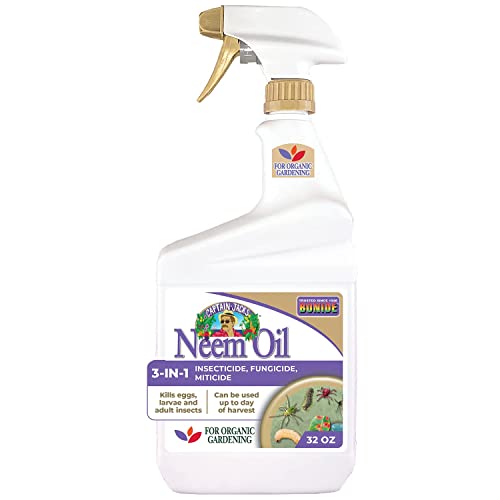
Protect your oasis with 3 garden products in 1 from Captain Jack’s; Bonide Captain Jack’s Ready-to-Use Neem Oil spray for plants is a multi-purpose fungicide, insecticide and miticide for your lawn & garden

FUNGAL DISEASE CONTROL: Prevents and controls black spot on roses, powdery mildew, rust, downy mildew, and other listed fungal diseases when applied on a 7–14 day schedule
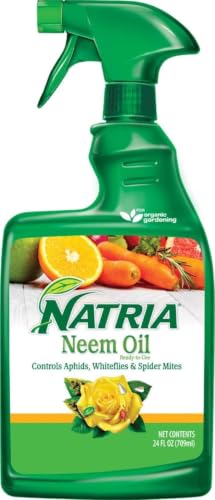
PLANT DISEASE CONTROL: Natria Neem Oil acts as an insecticide and fungicide in one convenient spray; Ready-to-use trigger sprayer requires no mixing
Common Pests Affecting Banana Trees
Banana trees are susceptible to a variety of pests that can significantly hinder their growth and fruit production. Understanding these common pests is crucial for effective management and prevention strategies. By identifying the threats early, you can take proactive measures to protect your banana trees and ensure a healthy harvest.
Banana trees are susceptible to various pests that can damage leaves and fruit. Recognizing these pests early can save your plants from severe damage. Here are some common pests to look out for:
| Pest | Symptoms | Damage Potential |
|---|---|---|
| Aphids | Curling leaves, sticky residue | Moderate |
| Spider Mites | Webbing on leaves, yellowing | High |
| Whiteflies | White, flying insects, leaf yellowing | Moderate |
| Thrips | Silver streaks on leaves | Moderate |
Monitoring your banana trees regularly for these pests can help you apply neem oil before infestations escalate.
Neem Oil Solution Preparation Steps
Preparing neem oil for application on banana trees is a straightforward process that ensures effective pest management. By following specific steps, you can create a potent solution that not only deters pests but also promotes the health of your banana plants. This guide outlines the essential preparation techniques to maximize the benefits of neem oil.
Proper preparation is crucial for maximizing the effectiveness of neem oil. Follow these steps to create a neem oil solution:
Choose a high-quality neem oil. Look for cold-pressed options that retain beneficial properties.
Dilute the neem oil. Mix 2 tablespoons of neem oil with 1 gallon of water.
Add an emulsifier. Include a few drops of dish soap to help the oil mix with water.
Mix thoroughly. Shake the solution well to ensure even distribution.
This preparation allows for better coverage and absorption when applied to the banana trees.
Neem Oil Application Techniques for Banana Trees
Effective application of neem oil is crucial for protecting banana trees from pests. Understanding the right techniques ensures maximum coverage and absorption, allowing the natural properties of neem oil to work effectively against harmful insects. This section will explore the best practices for applying neem oil to safeguard your banana plants.
Application timing and technique can significantly influence the success of neem oil treatment. Follow these guidelines for effective application:
Apply during cooler hours. Early morning or late afternoon is ideal to avoid leaf burn.
Use a spray bottle. Ensure even coverage on both sides of the leaves.
Repeat every 7-14 days. Regular applications help manage pest populations effectively.
Monitor the trees after application to assess the effectiveness and adjust the frequency as needed.
Neem Oil Application Safety Guidelines
When using neem oil on banana trees, it’s essential to follow safety guidelines to ensure effective pest control while protecting both the plants and the environment. Proper application techniques can maximize benefits and minimize risks, making it crucial to understand the best practices for handling and applying this natural pesticide. Adhering to these guidelines will help maintain a healthy garden ecosystem.
While neem oil is generally safe, certain precautions should be taken to protect both the user and the environment. Consider the following:
Wear gloves and a mask. Protect your skin and respiratory system during application.
Avoid applying during windy conditions. This prevents drift to non-target plants.
Keep away from pets and children. Ensure the area is clear during and after application.
Following these safety measures will help ensure a safe and effective pest management strategy.
Assessing Neem Oil Effectiveness on Bananas
Understanding the effectiveness of neem oil on banana trees is crucial for preventing pest damage and promoting healthy growth. This section delves into how neem oil works, its benefits, and the best practices for application to ensure your banana plants thrive while remaining pest-free.
After applying neem oil, it is essential to evaluate its effectiveness. Look for signs of reduced pest activity and improved plant health. Document changes over time to determine whether adjustments in application frequency or concentration are necessary.
If pests persist despite regular applications, consider integrating other pest management strategies. Combining neem oil with beneficial insects or organic insecticidal soaps can enhance overall effectiveness.
Conclusion on Neem Oil Use
Using neem oil on banana trees is an effective strategy for preventing pest damage. Regular monitoring and timely application can lead to healthier plants and better yields. Implement these practices to ensure your banana trees thrive in a pest-free environment.
