

Are your fruit trees ready for the colder months? As fall approaches, it’s easy to overlook the care they need. You might be wondering how to protect your trees from the chill while ensuring a bountiful harvest next year.
Taking the right steps now can make all the difference in their health and productivity. This article will guide you through essential fall care tips that will help your fruit trees thrive. From pruning to mulching, you’ll learn practical strategies to prepare your trees for winter, so they come back stronger in spring.
Key Takeaways
- Fall Care is Crucial: Proper care in fall enhances fruit tree health, resilience against winter stress, and productivity for the next growing season.
- Pruning Techniques: Remove dead or diseased branches, thin crowded areas, and maintain the natural shape of your trees to promote better airflow and sunlight exposure.
- Fertilization Timing: Apply a balanced fertilizer in early fall to optimize nutrient absorption and support root development before dormancy.
- Pest and Disease Prevention: Regularly inspect for pests, apply dormant oil sprays, and clear debris to minimize the risk of infestations and diseases.
- Mulching Benefits: Use organic mulch to insulate roots, retain soil moisture, reduce weeds, and improve overall soil health.
- Watering Before Winter: Ensure thorough watering before the ground freezes to help trees withstand winter conditions and encourage strong growth in spring.
Importance Of Fall Care For Fruit Trees
Proper fall care plays a crucial role in the health and productivity of your fruit trees. As temperatures drop, trees prepare for dormancy. Caring for them during this period boosts their resilience against winter stress and diseases.
Protects Against Harsh Weather
Fall care helps shield trees from freezing temperatures and harsh winds. Mulching around the base retains soil warmth and moisture. A thick layer of mulch, typically 3 to 4 inches, insulates the roots and prevents frost damage.
Prepares Trees for Spring Growth
Fall care promotes robust growth in spring. Pruning in late fall allows trees to focus energy on new shoots when the weather warms. Eliminating dead or diseased branches encourages healthier growth for the upcoming season.
Reduces Pests and Diseases
Taking preventive measures in the fall minimizes pest and disease issues. Cleaning fallen leaves and debris around the trees eliminates hiding spots for pests. Applying dormant oil sprays can control insects and diseases before they re-emerge in spring.
Enhances Nutrient Availability
Fertilizing your trees in the fall optimizes nutrient absorption. Soil temperatures remain warm enough for roots to uptake nutrients before winter. Use a balanced fertilizer with a higher phosphorus content to promote root development.
Strengthens The Tree’s Overall Health
Regular fall care contributes to the overall vigor of your fruit trees. Strong trees produce more fruit and resist diseases better. By tending to your trees in the fall, you set them up for a successful growing season ahead.
Key Practices For Fall Fruit Tree Care
Caring for fruit trees in the fall involves specific practices designed to prepare them for winter and ensure health in the following seasons. Focus on two key elements: pruning and fertilization.
Recommended Products

Bleach-Alcohol free

Convenient to Use: This peach picker tool connects to most rods (not included), transforming into a long fruit picker tool for ground or treetop use, perfect for reaching hardtoget fruit effortlessly

Adjustable and Durable Handle - Extendable Loppers: The lopping shears are adjustable from 16 inches to 24 inches, allowing you to handle tall branches easily. The iron arm is more sturdy and durable, and will not bend even when cutting large and thick branches.
Pruning Techniques
Pruning plays a significant role in fruit tree maintenance. Focus on these techniques during fall:
- Remove Dead or Diseased Branches: Cut off any dead, damaged, or diseased limbs. This practice promotes better airflow and reduces disease risk.
- Thin Crowded Areas: Cut back branches that overlap or crowd together. This improvement allows more sunlight to reach the interior of the tree, supporting growth and fruiting.
- Maintain Shape: Trim to maintain the tree’s natural shape. A well-shaped tree stands better against winter winds and supports strong growth.
- Cut at the Right Angle: Always make cuts at a 45-degree angle to facilitate water runoff and prevent rot.
- Disinfect Tools: Use disinfectant on pruning tools before and after use to avoid spreading diseases among trees.
Fertilization Tips
Fertilizing your fruit trees in the fall supports their health and prepares them for growth in spring. Follow these tips for effective fertilization:
- Use a Balanced Fertilizer: Choose a fertilizer rich in nutrients like nitrogen, phosphorus, and potassium. Apply it according to the package instructions to avoid over-fertilization.
- Timing Matters: Fertilize in early fall, before the trees enter dormancy. This timing allows the roots to absorb nutrients and store them for the winter.
- Apply Organic Matter: Consider using compost or well-rotted manure. This organic option boosts soil health and enhances nutrient availability.
- Water Before Fertilizing: Water your trees thoroughly before applying fertilizer. Moist soil aids in nutrient absorption, ensuring they benefit from the fertilization.
- Observe Tree Health: Watch for signs of nutrient deficiencies, like yellowing leaves. Adjust your fertilization routine based on the specific needs of your trees.
Applying these practices helps you prepare your fruit trees effectively for the upcoming cold months.
Pest And Disease Management
Proper pest and disease management in the fall ensures your fruit trees remain healthy and productive. Taking proactive steps protects your trees from potential threats during the winter months.
Recommended Products
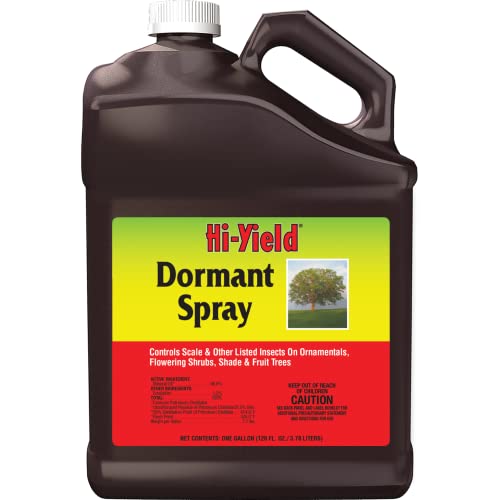
Controls a number of insects including Mites, Leaf Rollers, Armyworms and more. See label for more.

USE YEAR ROUND - Our 3-in-1 product provides year-round protection against insects, mites, and diseases. Can be used at the dormant stage, green tip stage, delayed dormant stage, and during the growing season to prevent pest infestations and disease.
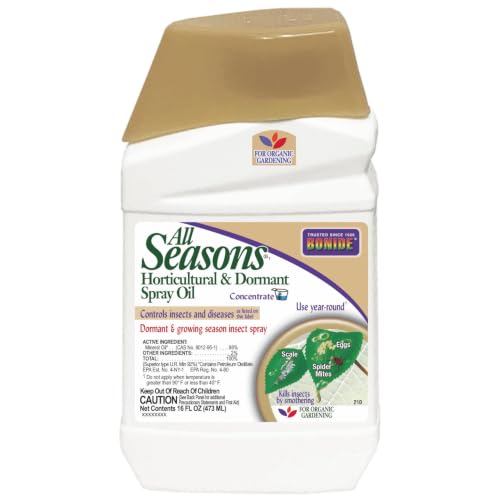
Control insects & diseases in your home garden with All Seasons Horticultural & Dormant Spray Oil Concentrate; use year-round to control listed insects and diseases
Identifying Common Pests
Recognizing common pests is essential. Monitor your trees regularly for signs of infestation.
- Aphids: Small insects that cluster on new growth and leaves, causing curling.
- Spider Mites: Tiny, spider-like pests that create fine webbing and cause leaf discoloration.
- Codling Moth: Larvae burrow into apples and pears, leaving brown holes.
- Scale Insects: Small, shell-like pests that attach to branches and sapwood, leading to weakened trees.
Look for these signs: unusual leaf damage, webbing, or dark spots. Early detection simplifies management and reduces damage.
Preventative Treatments
Implementing preventative treatments protects your trees from pests and diseases.
- Inspect Regularly: Check your trees for signs of infestation or disease. Early action is crucial.
- Use Horticultural Oils: Apply dormant oil sprays in late fall or early spring to suffocate overwintering pests.
- Introduce Beneficial Insects: Ladybugs and lacewings control aphids and mites naturally. Encourage their presence in your garden.
- Maintain Good Hygiene: Clear fallen leaves and debris around your trees. This eliminates pest habitats and prevents fungal diseases.
- Apply Fungicides: Consider applying fungicides in the fall to reduce fungal diseases, especially if your trees have had issues in prior seasons.
Take these steps to protect your fruit trees and ensure their health as they enter dormancy.
Preparing For Winter
Preparing your fruit trees for winter requires careful attention to a few key practices. Engaging in activities like mulching and proper watering can significantly enhance the trees’ resilience against harsh conditions.
Mulching Benefits
Mulching insulates the soil, protects roots, and retains moisture. Use organic materials such as straw, wood chips, or shredded leaves to create a protective layer around the base of your trees.
- Regulates Soil Temperature: Mulch keeps the soil temperature stable, preventing freeze-thaw cycles that can harm roots.
- Reduces Weeds: It stops weeds from germinating, reducing competition for nutrients and water.
- Improves Soil Structure: As organic mulch decomposes, it enhances soil structure, increasing nutrient availability.
- Prevents Soil Erosion: Mulch protects against erosion caused by wind and rain, keeping your soil intact.
Spread a 2-4 inch layer of mulch, keeping it a few inches away from the trunk to prevent rot.
Watering Considerations
Adequate watering before winter is vital for your fruit trees. Watering during fall prepares trees for dormancy and helps them withstand winter stresses.
- Deep Soaking: Apply water deeply, ensuring it reaches the root zone. Focus on 10-12 inches of soil depth.
- Timing: Water during dry periods, especially in late October to early November, before the ground freezes.
- Inspect Soil Moisture: Check soil moisture levels by digging a small hole. If it’s dry to a depth of 2-3 inches, it’s time to water.
- Avoid Overwatering: Ensure good drainage. Saturated soil can lead to root rot, especially in cold weather.
By properly mulching and watering your fruit trees this fall, you boost their survival rates through winter and set the stage for abundant growth in spring.
Conclusion
Taking care of your fruit trees in the fall is essential for their health and productivity. By implementing the right practices like pruning and mulching you’re setting your trees up for a successful season ahead.
Remember that regular monitoring for pests and diseases will help keep your trees strong. Don’t forget to give them a good soak before winter sets in.
With a little effort now you can enjoy a bountiful harvest when spring arrives. Happy gardening and here’s to a fruitful future!
Frequently Asked Questions
Why is fall care important for fruit trees?
Proper fall care is essential for preparing fruit trees for dormancy, helping them survive the cold months. It promotes healthier trees, enhances next year’s fruit yield, and reduces the risk of pests and diseases during the off-season.
What are the key elements of fall fruit tree care?
The key elements include pruning, fertilization, pest and disease management, mulching, and proper watering. These practices help protect the trees from harsh weather and ensure they are healthy and productive in the spring.
How should I prune my fruit trees in the fall?
When pruning, remove dead or diseased branches, thin crowded areas, and maintain the tree’s shape. Cut at a 45-degree angle and always disinfect your tools to prevent disease spread.
When should I fertilize my fruit trees in the fall?
Fertilize fruit trees in the fall using a balanced fertilizer before the ground freezes. Adding organic matter improves soil quality, and it’s crucial to water the trees well before applying fertilizer.
What pests should I watch for in the fall?
Common fall pests include aphids, spider mites, codling moths, and scale insects. Regular monitoring and early detection are vital for effective pest management.
How can I manage pests and diseases in fall?
Management includes using horticultural oils, introducing beneficial insects, maintaining cleanliness around trees, and applying fungicides. Prevention is key to keeping your trees healthy.
Why is mulching important for fruit trees in winter?
Mulching insulates the soil, regulates temperature, reduces weeds, and improves soil structure. A 2-4 inch layer of organic mulch protects roots and prevents erosion during winter.
How should I water my fruit trees before winter?
Ensure proper watering by deep soaking the soil during dry spells. Check soil moisture levels to prevent both under and over-watering, ensuring trees are adequately hydrated before winter.
