

Are you wondering when the best time is to fertilize your grapefruit trees in Florida? Picture this: you’ve invested time and effort into nurturing your citrus trees, but are unsure about the optimal fertilization schedule. In Florida’s unique climate, knowing when to fertilize your grapefruit trees can make a significant difference in their growth and fruit production.
In this article, we’ll guide you through the essential timing for fertilizing your grapefruit trees in Florida. By understanding the specific needs of your citrus trees and following the right fertilization practices, you can ensure they thrive and yield delicious, juicy grapefruits. Stay tuned to discover the key insights that will help you maintain healthy and productive grapefruit trees in your Florida garden.
Key Takeaways
- Fertilizing grapefruit trees in Florida is essential for optimal growth and fruit production by providing necessary nutrients like nitrogen, phosphorus, and potassium.
- Early spring and late summer are the best times to fertilize grapefruit trees in Florida to support growth, flowering, and fruit development.
- Choose a balanced fertilizer specifically formulated for citrus trees, apply it evenly around the dripline, and water the tree thoroughly after fertilization.
- Monitoring for signs of nutrient deficiency like yellowing leaves, stunted growth, and poor fruit development is crucial for adjusting the fertilization schedule and ensuring tree health.
- Factors such as soil pH levels, nutrient requirements, fertilization schedule, slow-release fertilizers, watering practices, signs of deficiency, and tree age should be considered when fertilizing grapefruit trees in Florida.
- Selecting the right fertilizer with balanced nutrients, considering soil pH, choosing between granular and liquid fertilizers, opting for slow-release or organic options, and monitoring for adjustments are key steps in properly fertilizing grapefruit trees for healthy growth and bountiful fruit production.
Importance of Fertilizing Grapefruit Trees
Fertilizing grapefruit trees in Florida is crucial for ensuring optimal growth and fruit production. Understanding the specific nutrient requirements of citrus trees and following proper fertilization practices are essential for maintaining healthy and productive grapefruit trees in your Florida garden.
Why Fertilize Grapefruit Trees?
Fertilization provides grapefruit trees with essential nutrients, such as nitrogen, phosphorus, and potassium, necessary for healthy growth, flowering, and fruit development. Without proper fertilization, grapefruit trees may struggle to obtain these vital nutrients from the soil, resulting in stunted growth, reduced fruit yield, and overall poor tree health.
When to Fertilize Grapefruit Trees
- Early Spring: Fertilize grapefruit trees in early spring, typically in February or March, to support new growth as the trees prepare for the upcoming fruiting season.
- Late Summer: A second round of fertilization in late summer, around August or September, can help sustain the tree’s growth and fruit production throughout the year.
How to Fertilize Grapefruit Trees
- Selecting Fertilizer: Choose a balanced fertilizer specifically formulated for citrus trees, ensuring it contains the necessary nutrients in the right proportions.
- Application: Apply the fertilizer evenly around the dripline of the tree, avoiding direct contact with the trunk to prevent burning.
- Watering: After applying the fertilizer, water the tree thoroughly to help the nutrients penetrate the root zone.
Signs of Nutrient Deficiency
- Yellowing Leaves: If the leaves of your grapefruit tree start turning yellow, it may indicate a nutrient deficiency, such as nitrogen or iron.
- Stunted Growth: Slow or stunted growth can be a sign of inadequate nutrient uptake, highlighting the need for fertilization.
- Poor Fruit Development: Small, discolored, or poorly formed fruit may result from a lack of essential nutrients.
Monitoring and Adjusting Fertilization
Regularly monitor the growth and health of your grapefruit trees to assess their nutrient requirements. Adjust the fertilization schedule or formulation based on any signs of nutrient deficiency or excess to ensure your trees receive the right balance of nutrients for optimal growth and fruit production.
By understanding the importance of fertilizing grapefruit trees in Florida and following appropriate practices, you can promote the health and productivity of your citrus trees, ensuring a bountiful harvest of delicious grapefruits.
Factors to Consider for Fertilizing Grapefruit Trees
When fertilizing grapefruit trees in Florida, there are several essential factors to consider to ensure their health and optimal fruit production. Here are key considerations:
1. Soil pH Levels
Check the soil pH levels before fertilizing your grapefruit trees. Grapefruit trees thrive in slightly acidic to neutral soil with a pH range of 6.0 to 7.5. Adjust the pH if needed to provide an ideal environment for nutrient uptake.
2. Nutrient Requirements
Understand the specific nutrient requirements of grapefruit trees. They require a balanced fertilizer with nitrogen (N), phosphorus (P), and potassium (K) as well as essential micronutrients like iron, magnesium, and zinc for healthy growth and fruit development.
3. Fertilization Schedule
Establish a regular fertilization schedule to meet the needs of your grapefruit trees. In Florida, it’s recommended to fertilize grapefruit trees three times a year – in late winter (February), late spring (May), and early fall (September) to provide continuous nutrient support.
4. Slow-Release Fertilizers
Opt for slow-release fertilizers for grapefruit trees. These fertilizers gradually release nutrients over time, promoting steady growth and reducing the risk of nutrient leaching, especially in Florida’s sandy soils.
5. Watering Practices
Adjust your watering practices when fertilizing grapefruit trees. Ensure that the fertilizer is watered in thoroughly after application to help nutrients reach the root zone effectively and avoid burning the tree’s roots.
6. Signs of Nutrient Deficiency
Monitor your grapefruit trees for signs of nutrient deficiency such as yellowing leaves, stunted growth, or poor fruit development. Address any deficiencies promptly by adjusting your fertilization program or applying targeted nutrient sprays.
7. Tree Age and Size
Take into account the age and size of your grapefruit trees when fertilizing. Young trees may require less fertilizer initially, while mature trees may need larger quantities to support fruiting and growth.
By considering these factors and tailoring your fertilization practices to the specific needs of your grapefruit trees, you can promote healthy growth, abundant fruit production, and overall vigor in your Florida citrus garden.
Best Time to Fertilize Grapefruit Trees in Florida
When to fertilize your grapefruit trees in Florida is crucial for their optimal growth and fruit production. Proper timing ensures your trees receive the necessary nutrients to thrive in the unique Florida climate.
Recommended Products
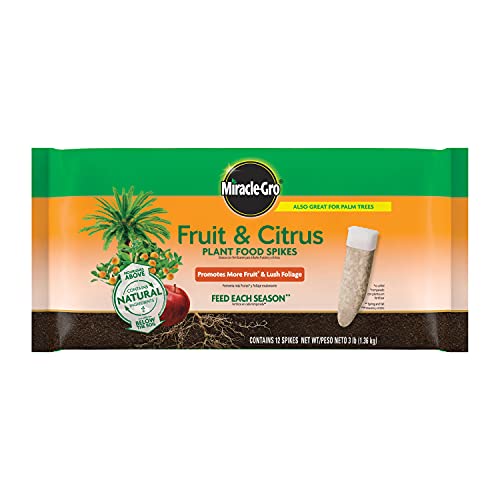
FORMULATED FOR CITRUS AND FRUIT TREES: Use these citrus fertilizer spikes on apple, orange, lemon, lime, and avocado trees; this formula is also great for feeding palm trees

Package contains 4 Pounds organic fruit and citrus fertilizer grains and is produced to avoid wasteful runoff, mess, hazards and smells

Made for Lemon & Citrus Trees – Formulated to support healthy growth in lemon and citrus plants.
Spring
In Florida, the best time to fertilize your grapefruit trees is in the early spring. This period aligns with the trees’ natural growth cycle, preparing them for the upcoming fruiting season.
Early Summer
For a second application, consider fertilizing your grapefruit trees in early summer. This additional boost can support the trees as they develop fruit and maintain their health throughout the growing season.
Late Summer
Avoid fertilizing too late in the season, as excessive growth stimulated by late applications can be susceptible to cold damage in the winter months. Growth should slow down as fall approaches.
Nutrient Requirements
Ensure you choose a fertilizer with the correct balance of nutrients specifically formulated for citrus trees. Look for options with a higher nitrogen content and a good mix of potassium and phosphorus to support fruiting.
Monitor Growth
Regularly monitor your grapefruit trees for any signs of nutrient deficiency, such as yellowing leaves or stunted growth. Adjust your fertilization schedule accordingly to address any deficiencies promptly.
Tailored Approach
Consider factors like soil pH levels, the age and size of the tree, and weather conditions when determining your fertilization schedule. Tailoring your approach based on these variables can ensure optimal growth and fruit production.
By following these guidelines and fertilizing your grapefruit trees at the right times with the proper nutrients, you can support their health, encourage fruiting, and enjoy a bountiful harvest in your Florida citrus garden.
Choosing the Right Fertilizer for Grapefruit Trees
Ensuring your grapefruit trees receive the correct nutrients is crucial for their health and fruit production. When it comes to fertilizing grapefruit trees, selecting the right fertilizer is essential for optimal growth. Here’s what you need to know:
Recommended Products

CITRUS-SPECIFIC FORMULA: Specially designed for oranges, lemons, limes, and grapefruit to support healthy foliage, strong roots, and abundant fruit production.

Tailored for Citrus – Specially formulated liquid fertilizer designed to support lush, upright growth and vibrant green leaves for all Sansevieria varieties.

🍋 Grows Delicious Fruits: With a balance of 6% nitrogen, 4% phosphorus and 6% potassium, Gardenwise’s 6-4-6 Citrus and Avocado Professional Fertilizer nourishes your indoor and outdoor trees with a high-quality blend of nutrients. You’ll love the incredible flavors!
Understanding Nutrient Needs
Grapefruit trees, like all citrus trees, require specific nutrients to thrive. A balanced fertilizer formulated for citrus trees is ideal. Look for fertilizers with a formulation such as 10-10-10 or 8-3-9, indicating the proportions of nitrogen, phosphorus, and potassium—essential nutrients for healthy growth, flowering, and fruit development.
Soil pH Consideration
Before choosing a fertilizer, test your soil’s pH level. Grapefruit trees prefer slightly acidic to neutral soil with a pH of 6 to 7. If your soil is too alkaline, select a fertilizer designed for citrus trees that can help adjust the pH over time.
Granular vs. Liquid Fertilizers
Granular fertilizers release nutrients slowly over time, providing a steady supply to the tree’s roots. Liquid fertilizers, on the other hand, act more quickly but may require more frequent applications. Choose the type that aligns with your maintenance preferences and tree’s needs.
Slow-Release Fertilizers
Consider using slow-release fertilizers for grapefruit trees. These fertilizers deliver nutrients gradually, ensuring a consistent supply for your trees over an extended period. This can be particularly beneficial for promoting steady growth and fruit development.
Organic Options
If you prefer organic fertilizers, there are options available that cater to citrus trees’ needs. Organic fertilizers offer a natural way to nourish your grapefruit trees while enriching the soil with essential nutrients in a sustainable manner.
Monitoring and Adjustment
Regularly monitor your grapefruit trees for signs of nutrient deficiencies, such as yellowing leaves or stunted growth. Adjust your fertilization schedule or type based on your observations, ensuring your trees receive the necessary nutrients for optimal health.
Choosing the right fertilizer tailored to your grapefruit trees’ needs is a key step toward fostering healthy growth and bountiful fruit production in your Florida citrus garden.
Tips for Properly Fertilizing Grapefruit Trees
To ensure your grapefruit trees thrive and produce abundant fruit, it’s crucial to fertilize them correctly. Here are some practical tips to help you properly fertilize your grapefruit trees:
Recommended Products

🍋 EXPLOSIVE HARVEST: GardenWise ignites a remarkable yield boost. Its scientific blend, featuring 6% nitrogen for growth, 4% phosphorus for flowering, and 6% potassium for fruit quality, culminates in an abundance of flavorful, aromatic fruits. This is more than growth; it's a nutrient-powered revolution in your citrus yield.

FOR USE ON: Use Citrus-tone organic fertilizer for all citrus trees, including lemon, lime, orange, Meyer Lemon Trees as well as for avocado & nut trees

Package contains 9 fruit and citrus fertilizer spikes and is produced to avoid wasteful runoff, mess, hazards and smells
1. Choose the Right Fertilizer:
- Nutrient Balance: Opt for a fertilizer with a balanced nutrient composition, especially high nitrogen, phosphorus, and potassium levels to support overall tree health and fruit development.
- Slow-Release Fertilizers: Consider using slow-release fertilizers that provide nutrients gradually over time, reducing the risk of over-fertilization and ensuring sustained nourishment for your trees.
2. Timing Is Key:
- Early Spring and Early Summer: Fertilize your grapefruit trees in early spring and early summer to coincide with their growth stages and fruiting cycles, providing essential nutrients when they need them most.
- Avoid Late Summer Fertilization: Steer clear of fertilizing in late summer to prevent excessive growth that may be vulnerable to winter frost damage.
3. Monitor and Adjust:
- Nutrient Deficiencies: Keep an eye out for signs of nutrient deficiencies, such as yellowing leaves, and adjust your fertilization regimen accordingly to address any lacking nutrients promptly.
- Soil pH and Tree Age: Consider the soil pH levels and the age of your grapefruit trees when determining the frequency and type of fertilizer to use, tailoring your approach to meet their specific needs.
- Even Distribution: Spread the fertilizer evenly around the tree’s drip line, avoiding direct contact with the trunk to prevent burning.
- Watering Schedule: Water the trees thoroughly after applying the fertilizer to help the nutrients penetrate the soil and reach the tree’s root system effectively.
Conclusion
You’ve now learned the crucial role of fertilization in nurturing healthy grapefruit trees in Florida. By understanding the specific nutrient needs and ideal fertilization timing, you can support robust growth and bountiful fruit production. Remember to choose a balanced fertilizer, watch for signs of nutrient deficiencies, and adapt your approach based on soil conditions and tree maturity. Following these guidelines will help you cultivate thriving grapefruit trees that yield delicious fruits. Happy gardening!
Frequently Asked Questions
When is the best time to fertilize grapefruit trees in Florida?
Fertilize grapefruit trees in early spring and early summer to support growth and fruit production while aligning with the tree’s growth cycle.
Why should late summer fertilization be avoided for grapefruit trees?
Avoid late summer fertilization to prevent excessive growth that can be susceptible to winter damage.
What factors should be considered when selecting a fertilizer for grapefruit trees?
Consider the correct nutrient balance, monitor for deficiencies like yellowing leaves, and adjust based on soil pH, tree age, and weather conditions.
What are some practical tips for effectively fertilizing grapefruit trees?
Select a balanced fertilizer, consider slow-release options, ensure even distribution, and follow a proper watering schedule for optimal nutrient absorption.
