

Applying dormant oil on persimmon trees is essential for preventing pests and diseases during the off-season. This process protects the trees while they are dormant, ensuring they thrive in the growing season. Proper timing and technique are crucial for effective application.
Essential Supplies for Dormant Oil Treatment
To effectively apply dormant oil on persimmon trees, having the right supplies is crucial for achieving optimal results. This section outlines the essential tools and materials needed for a successful treatment, ensuring that your trees remain healthy and free from pests during their dormant phase. Proper preparation sets the foundation for a thriving growing season ahead.
Before starting the application, ensure you have the right supplies. The quality of your dormant oil and tools can significantly impact the effectiveness of the treatment. Here’s what you need:
| Supply Item | Purpose |
|---|---|
| Dormant oil | Pest and disease control |
| Spray equipment | Even application |
| Protective gear | Safety during application |
| Measuring tools | Accurate mixing |
Investing in high-quality dormant oil and reliable spray equipment will yield better results. Always check the label for compatibility with persimmon trees.
Recommended Products
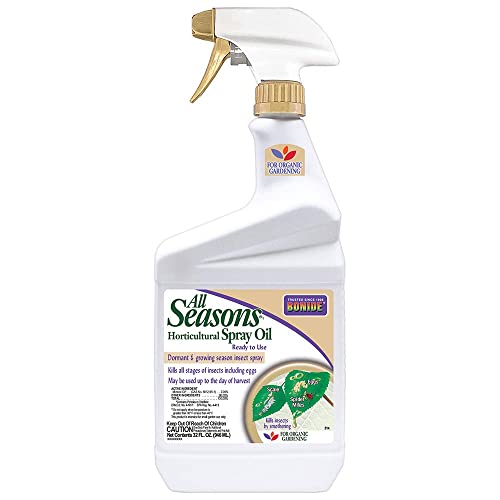
Control insects and diseases in your home garden with All Seasons Horticultural and Dormant Spray Oil Concentrate; use year-round to control listed insects and diseases

USE YEAR ROUND - Our 3-in-1 product provides year-round protection against insects, mites, and diseases. Can be used at the dormant stage, green tip stage, delayed dormant stage, and during the growing season to prevent pest infestations and disease.
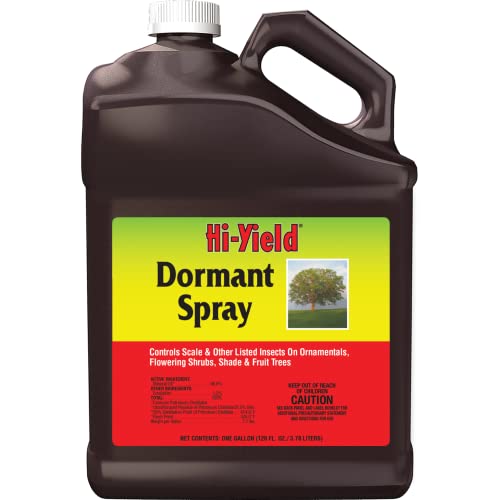
Controls a number of insects including Mites, Leaf Rollers, Armyworms and more. See label for more.
Assessing Persimmon Trees for Oil Application
Before applying dormant oil to persimmon trees, it’s crucial to assess their overall health and condition. This evaluation ensures that the trees are ready for treatment and helps identify any existing issues that could affect the effectiveness of the oil application. A thorough inspection will set the stage for a successful dormant oil treatment.
Preparation is key to a successful application. Start by assessing your persimmon trees for any signs of pests or diseases.
This will help you determine if dormant oil is necessary. Follow these steps:
Choose a calm day with no rain forecasted for at least 24 hours.
Wear protective gear such as gloves, goggles, and a mask to avoid inhaling any mist.
Mix the dormant oil according to the manufacturer’s instructions for optimal effectiveness.
Ensure that you have a clear understanding of the safety precautions. This will minimize risks to both yourself and the environment.
Application Steps for Dormant Oil on Persimmons
Applying dormant oil to persimmon trees is a crucial step in pest management and overall tree health. This process helps control overwintering pests and diseases, ensuring a robust growing season. The following application steps will guide you through the process, ensuring effective coverage and maximum benefit for your trees.
The application technique is crucial for achieving thorough coverage. Follow this step-by-step guide to ensure your persimmon trees receive adequate treatment:
Fill the spray equipment with the mixed dormant oil solution.
Start spraying from the base of the tree and work your way up. This ensures that lower branches are treated first.
Cover all surfaces, including the undersides of leaves and trunk. This is where pests often hide.
Avoid oversaturation to prevent runoff. A light, even coat is sufficient.
The goal is to coat the entire tree without creating puddles. This technique maximizes the oil’s effectiveness against pests.
Optimal Weather Conditions for Dormant Oil Application
Applying dormant oil to persimmon trees requires careful consideration of weather conditions to ensure effectiveness and prevent damage. Understanding the optimal temperature and humidity levels is crucial for achieving the best results. This section outlines the ideal weather parameters for applying dormant oil, helping you protect your trees while promoting healthy growth.
Timing is critical when applying dormant oil. The ideal window is late winter to early spring, just before buds begin to swell.
Monitor the weather closely. Here are some factors to consider:
Temperature: Aim for temperatures above 40°F to ensure the oil adheres properly.
Wind: Apply on calm days to avoid drift and ensure even coverage.
Rain: Avoid application if rain is expected within 24 hours to prevent wash-off.
Understanding these conditions can greatly influence the success of your treatment.
Post-Application Monitoring for Persimmon Trees
After applying dormant oil to persimmon trees, careful monitoring is essential to ensure the treatment’s effectiveness and the health of the trees. Observing any changes in foliage, pest activity, and overall tree vigor will help identify potential issues early on. This proactive approach can lead to better outcomes for your persimmon crop in the growing season ahead.
After applying dormant oil, it’s essential to monitor your persimmon trees for any changes. Evaluate the effectiveness of the treatment by checking for:
Pest activity: Look for signs of pests that may have survived the treatment.
Tree health: Observe any changes in leaf and bud development.
Environmental impact: Ensure no adverse effects on surrounding plants or wildlife.
Regular monitoring will help you determine if further treatments are necessary.
Troubleshoot Common Issues with Dormant Oil
Applying dormant oil to persimmon trees can be highly effective, but issues may arise during the process. Understanding common challenges and their solutions is essential for ensuring the treatment’s success and protecting your trees. This section addresses frequent problems gardeners encounter when using dormant oil, providing practical troubleshooting tips to enhance your application efforts.
Sometimes, issues may arise during or after application. Here are common problems and their solutions:
| Issue | Solution |
|---|---|
| Uneven coverage | Reapply in missed areas |
| Pests still present | Consider additional treatments |
| Environmental concerns | Switch to organic alternatives |
Addressing these issues promptly will help maintain the health of your persimmon trees.
Effective Techniques for Dormant Oil Application
Applying dormant oil to persimmon trees is a critical step in pest management and overall tree health. Understanding effective techniques for this application can enhance its benefits, ensuring that the trees are well-protected during their dormant period. This section outlines the best practices to maximize the efficacy of dormant oil treatments.
Using dormant oil effectively requires attention to detail and proper technique. Follow the guidelines outlined to ensure your persimmon trees are well-protected. Regular monitoring and adjustments will lead to healthier trees and a more fruitful harvest.
