

Growing apple trees in Connecticut requires selecting the right varieties and understanding local climate conditions. Proper planting techniques and care will ensure a fruitful harvest. This guide provides essential steps and tips for successful apple cultivation in New England.
Choose the Right Apple Varieties
Selecting the appropriate apple varieties is crucial for successful cultivation in Connecticut’s unique climate. With a range of options available, understanding the characteristics and growing requirements of each type can significantly impact your harvest. This section will guide you through the best apple varieties suited for the region, ensuring a fruitful and enjoyable growing experience.
Selecting the right apple varieties is crucial for successful growth in Connecticut. Some varieties thrive better in the New England climate due to their cold hardiness and disease resistance. Popular choices include:
Honeycrisp: Known for its crisp texture and sweet flavor.
McIntosh: A classic variety with a tart taste, ideal for fresh eating and cooking.
Gala: Sweet and aromatic, perfect for fresh consumption.
Consider local growing conditions and choose varieties that suit your taste preferences and intended use.
Optimal Soil Preparation for Apple Trees
Preparing the right soil is crucial for successful apple tree cultivation in Connecticut. This section delves into the best practices for soil preparation, ensuring that your apple trees receive the nutrients and drainage they need to thrive in New England’s unique climate. Understanding these foundational steps will set the stage for a fruitful harvest.
Preparing the planting site is essential for healthy apple tree growth. Apple trees prefer well-drained soil with a pH between 6.0 and 7.0. Follow these steps for optimal preparation:
Select a sunny location: Ensure the site receives at least six hours of sunlight daily.
Test soil quality: Use a soil test kit to determine pH and nutrient levels.
Amend the soil: Add organic matter, such as compost, to improve soil structure and fertility.
Proper site preparation sets the foundation for strong tree development.
Recommended Products

Quick, at home results for Soil pH, Nitrogen, Phosphorous and Potash Innovative and inexpensive soil test kit features an easy-to-use capsule system and patented color comparators

KNOW BEFORE YOU GROW | Grow the healthiest, sustainable lawn and garden with the most accurate and easy to use professional soil test kit on the market

Kindly NOTE: This soil tester can not be applied to test pH value of any other liquid. If the soil is too dry the indicator will not move, and water it before testing.
Apple Tree Planting Techniques for Connecticut
Planting apple trees in Connecticut requires careful consideration of the state’s unique climate and soil conditions. Understanding the right techniques can significantly enhance growth and fruit production. This section will explore effective methods tailored for successful apple tree planting in New England’s diverse environment.
Planting apple trees correctly ensures their long-term health. Follow these steps for effective planting:
Dig a hole: Create a hole twice the width and the same depth as the root ball.
Position the tree: Place the tree in the hole, ensuring the graft union is above soil level.
Backfill with soil: Fill the hole with native soil, gently tamping it down to eliminate air pockets.
Water thoroughly: Provide ample water to help settle the soil around the roots.
Proper planting techniques promote strong root establishment.
Recommended Products

Grow your own apple, a tree of legend that has been cherished and cultivated for thousands of years by people of many cultures from every corner of the world

🍎 HEIRLOOM APPLE SEEDS FOR PLANTING: Heirloom apple seeds for planting for gardeners who want to start their own apple tree from seed at home.
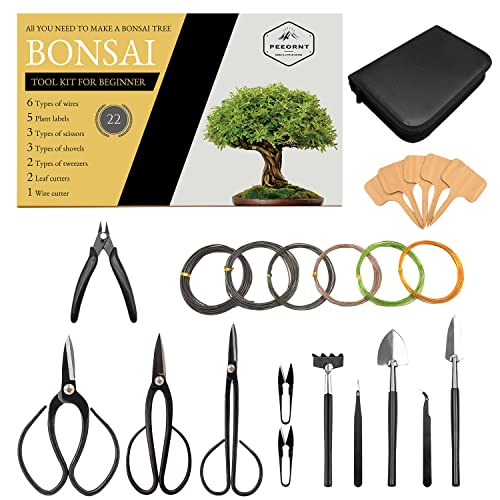
EVERYTHING YOU NEED TO START BONSAI - The bonsai tree kit includes 3 x bonsai scissor, 2 x leaf cutters, 2 x tweezers, 3 x soil shovels/rakes, 6 x bonsai training wires, 1 x wire cutter, 5 x bamboo plant markers. Start your bonsai journey with our bonsai kit.
Apple Tree Care Maintenance Plan
Proper care and maintenance are essential for thriving apple trees in Connecticut’s unique climate. This section outlines a comprehensive maintenance plan, detailing key practices to ensure healthy growth, optimal fruit production, and resilience against local pests and diseases. By following these guidelines, you can cultivate a productive apple orchard that flourishes throughout the seasons.
Establishing a maintenance schedule is vital for the ongoing health of your apple trees. Regular care includes:
Watering: Provide consistent moisture, especially during dry spells.
Fertilizing: Apply a balanced fertilizer in early spring to support growth.
Pruning: Trim branches during dormancy to encourage airflow and shape the tree.
A well-planned maintenance schedule helps prevent disease and promotes fruit production.
Pest and Disease Monitoring Techniques
Effective pest and disease monitoring is crucial for the successful cultivation of apple trees in Connecticut. By implementing specific techniques, growers can identify and manage threats early, ensuring healthy trees and a bountiful harvest. This section outlines practical methods to keep your apple orchard thriving amidst the challenges posed by pests and diseases.
Monitoring for pests and diseases is essential for protecting your apple trees. Common issues include:
Apple scab: A fungal disease that affects leaves and fruit.
Codling moth: A pest that burrows into apples, causing damage.
Aphids: Small insects that can weaken trees by sucking sap.
Regular inspections and timely interventions will minimize damage and ensure healthy trees.
Apple Harvesting Strategies for Optimal Yield
Harvesting apples effectively is crucial for maximizing yield and ensuring quality in Connecticut’s unique climate. Understanding the right timing and techniques can significantly impact the success of your apple crop. This section will explore proven strategies for harvesting apples that align with the best practices for New England orchards.
Understanding the right harvesting techniques is crucial for maximizing yield. Follow these guidelines:
Check for ripeness: Apples should be firm and easily detach from the tree.
Use proper tools: Employ a picking bag or basket to avoid bruising.
Handle with care: Gently twist the apple to detach it without damaging the tree.
Proper harvesting techniques ensure the best quality fruit and prolong the productive life of the tree.
| Variety | Flavor Profile | Best Use | Harvest Time |
|---|---|---|---|
| Honeycrisp | Sweet, Crisp | Fresh Eating | Late September |
| McIntosh | Tart, Juicy | Cooking | Early September |
| Gala | Sweet, Aromatic | Fresh Eating | Early September |
Winter Protection Strategies for Apple Trees
In Connecticut’s cold winters, protecting apple trees is essential for their survival and productivity. Implementing effective winter protection strategies can help mitigate frost damage and ensure healthy growth come spring. This section explores practical methods to safeguard your apple trees during the harsh winter months.
Winter protection is essential for apple tree survival in Connecticut’s cold climate. Implement these strategies:
Mulch: Apply a thick layer of mulch around the base to insulate roots.
Wrap trunks: Use tree wraps to protect young trees from frost and sunscald.
Prune wisely: Avoid heavy pruning before winter to reduce stress on the tree.
Taking these precautions will help your apple trees endure harsh winter conditions.
Execute Your Apple Tree Plan
Successfully growing apple trees in Connecticut requires careful planning and execution. This section will guide you through the essential steps to implement your apple tree cultivation strategy, ensuring you choose the right varieties, prepare your soil, and establish proper care routines. With the right approach, you can enjoy a fruitful harvest in your New England garden.
Executing your apple tree plan involves careful attention to detail and consistent care. Follow all steps outlined in this guide to ensure a successful harvest. Monitor growth, adjust care as needed, and enjoy the fruits of your labor.
