

Growing papaya trees in pots is feasible in Middle Tennessee, provided you select the right varieties and follow specific care guidelines. With proper attention to temperature, sunlight, and watering, you can successfully cultivate these tropical plants even in a temperate climate.
Best Papaya Varieties for Pot Cultivation in Tennessee
When cultivating papaya trees in pots in Tennessee, selecting the right variety is crucial for success. Certain papaya types thrive in container environments, adapting well to the region’s climate while offering flavorful fruit. This section highlights the best papaya varieties suited for pot cultivation, ensuring gardeners in Middle Tennessee can enjoy a fruitful harvest.
Choosing the appropriate papaya variety is crucial for success in Middle Tennessee. Some varieties are more resilient to cooler temperatures and can thrive in pots. Look for:
Solo Papaya: Compact and ideal for container growth.
Red Lady: Known for its sweet fruit and adaptability.
Sunrise: A popular choice for its flavor and disease resistance.
These varieties can withstand the local climate better than others. Ensure you purchase healthy seedlings from reputable suppliers to maximize your chances of success.
Recommended Products


🌱 4 Unique Fruit Bonsai Varieties: Includes 40 total seeds: 10 Papaya, 10 Peach, 10 Cherry, and 10 Banana seeds. A fun and unique collection for growing miniature fruit trees and experimenting with bonsai growing techniques.
Here are 10 Dwarf Waimanalo papaya seeds (And we always throw in a few extra!). These seeds are very fresh and were just harvested. The Dwarf Waimanalo papaya is an uncommon variety of dwarf papaya that tastes extremely sweet and delicious.
Potting Soil Requirements for Papaya Trees
To successfully grow papaya trees in pots in Tennessee, understanding the right potting soil requirements is essential. The soil must provide adequate drainage, aeration, and nutrients to support the tree’s growth in a container environment. Choosing the right mix will help ensure healthy plants that thrive despite the challenges of the local climate.
The right potting setup is essential for healthy papaya trees. Use a container that is at least 5 gallons to allow for root expansion.
The soil should be well-draining and rich in nutrients. Consider the following:
Pot Material: Choose ceramic or plastic pots that retain moisture but allow for drainage.
Soil Mix: Combine potting soil, perlite, and compost for optimal drainage and nutrition.
Ensure the pot has drainage holes to prevent waterlogging. This setup will help your papaya trees thrive in a pot environment.
Care Guidelines for Potted Papaya Trees
Growing papaya trees in pots can be a rewarding endeavor, especially in the unique climate of Middle Tennessee. Proper care is essential to ensure these tropical plants thrive in containers, providing delicious fruit and vibrant foliage. The following guidelines outline the best practices for nurturing potted papaya trees in this region.
Proper care is vital for the growth of papaya trees in pots. This includes monitoring temperature, sunlight, and watering practices. Follow these guidelines:
Sunlight: Place the pot in a location that receives at least 6-8 hours of direct sunlight daily.
Watering: Water the plant when the top inch of soil feels dry. Avoid overwatering to prevent root rot.
Fertilizing: Use a balanced fertilizer every 4-6 weeks during the growing season.
Regular maintenance will encourage healthy growth and fruit production.
Temperature Management for Papaya Trees
Successfully growing papaya trees in pots in Middle Tennessee requires careful attention to temperature management. Given the region’s fluctuating climate, understanding how to protect these tropical plants from cold snaps and extreme heat is crucial for ensuring their health and productivity. This section explores effective strategies to maintain optimal temperatures for thriving papaya trees.
Middle Tennessee experiences seasonal temperature fluctuations that can affect your papaya trees. Protect your plants during colder months by:
Bringing Indoors: Move pots inside when temperatures drop below 50°F.
Using Frost Covers: Apply frost cloths during unexpected cold snaps.
Monitoring Weather: Keep an eye on local forecasts to prepare for temperature changes.
Taking these steps will help mitigate the risks associated with colder weather.
Common Papaya Tree Problems and Solutions
Growing papaya trees in pots can be rewarding, but they also come with their share of challenges, especially in Tennessee’s unique climate. Understanding the common issues that arise, from pest infestations to nutrient deficiencies, is crucial for successful cultivation. This section outlines typical problems faced by papaya tree growers and offers practical solutions to ensure healthy growth and fruit production.
Even with the best care, problems can arise when growing papaya trees in pots. Be vigilant for signs of distress. Common issues include:
| Symptom | Primary Suspect | Difficulty (1-5) |
|---|---|---|
| Yellowing Leaves | Overwatering | 3 |
| Stunted Growth | Poor Soil | 4 |
| Leaf Drop | Temperature Stress | 5 |
| Pest Infestation | Lack of Care | 2 |
Identifying these symptoms early can help you take corrective action before serious damage occurs.
Optimal Papaya Harvesting Techniques
Harvesting papayas at the right time is crucial for maximizing flavor and yield, especially for those growing these tropical trees in pots in Tennessee. Understanding the optimal techniques for harvesting can significantly enhance the quality of your fruit and ensure a successful crop, even in the unique climate of Middle Tennessee. Here are some effective strategies to consider.
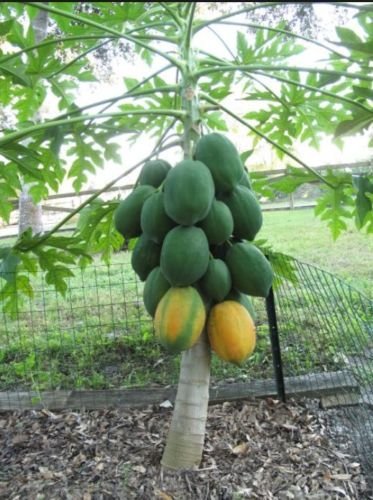
Once your papaya trees start producing fruit, it’s time to enjoy the rewards of your labor. Harvest the fruit when it turns yellow and feels slightly soft to the touch. Use the following tips for optimal harvesting:
Cut Carefully: Use a sharp knife to avoid damaging the plant.
Store Properly: Keep harvested papayas at room temperature until fully ripe.
Enjoying fresh papayas from your own garden adds a unique flavor to your meals.
Key Factors for Thriving Potted Papayas
Growing papaya trees in pots can be a rewarding endeavor, especially in Middle Tennessee’s unique climate. Understanding the key factors that contribute to their success is essential for gardeners looking to cultivate these tropical plants in a non-tropical setting. This section explores the critical elements that ensure potted papayas thrive in Tennessee’s environment.
Growing papaya trees in pots in Middle Tennessee can be rewarding with the right approach. Monitor your plants closely and adjust care as needed.
Be proactive in addressing any issues that arise to ensure a fruitful harvest.
