

Have you ever looked out at your beautiful fruit trees only to see squirrels feasting on your hard-earned harvest? You’re not alone. Many gardeners face the same frustrating challenge when these clever critters turn their attention to ripe apples, peaches, or cherries.
Key Takeaways
- Squirrels are naturally attracted to fruit trees due to their need for high-energy food sources, making them a common challenge for gardeners.
- Installing physical barriers, such as tree guards and netting, can effectively deter squirrels from accessing your fruit trees.
- Utilizing natural repellents like spicy sprays, essential oils, and predator urine can complement physical barriers in keeping squirrels away.
- Environmental modifications, such as limiting access points and providing alternative food sources, can redirect squirrels’ attention from your fruit trees.
- Regular monitoring and maintenance of both physical barriers and surrounding areas are essential for long-term success in preventing squirrel intrusions.
- Engaging with neighbors for community strategies can enhance efforts to control squirrel populations and protect shared garden spaces.
Understanding Squirrels’ Behavior
Squirrels frequently target fruit trees due to their natural instincts and food preferences. Understanding these behaviors helps you implement effective prevention strategies.
Why Squirrels Are Attracted to Fruit Trees
Squirrels seek high-energy food sources. Ripe fruits, such as apples and peaches, provide the carbohydrates and sugars they desire. Additionally, the trees offer a safe space for nesting and storing food. When your trees bear fruit, they become a buffet for squirrels, making it essential to recognize their attraction.
Common Squirrel Species Targeting Fruit Trees
Several squirrel species are known for raiding fruit trees:
- Eastern Gray Squirrel: Commonly found in urban and suburban areas, this species easily climbs trees and has a strong preference for sweet fruits.
- Fox Squirrel: Larger than the Eastern Gray, it typically inhabits open woodlands and gardens, where it raids larger fruits like persimmons.
- California Ground Squirrel: In coastal areas, these ground-dwelling squirrels can climb trees and may target fruits, especially when food sources are scarce.
Identifying these species helps tailor your prevention measures effectively.
Effective Physical Barriers
Implementing physical barriers effectively protects your fruit trees from squirrels. These measures deter squirrels by creating obstacles they’ll find challenging to overcome.
Installing Tree Guards
Installing tree guards around the trunk serves as a simple and effective barrier. Choose guards made from metal or plastic, as they resist gnawing. Aim for a height of at least 3-4 feet to prevent squirrels from jumping over. Secure the guard tightly around the trunk, leaving no gaps. Ensure it doesn’t constrict the tree’s growth by using adjustable designs or leaving space as needed. For added protection, bury the bottom edge of the guard in the soil to prevent digging beneath.
Using Netting or Mesh
Using netting or mesh effectively protects individual branches and entire trees. Select durable bird netting or heavy-duty mesh, ensuring it’s designed to withstand exposure to elements. Drape the netting over the tree and anchor it to the ground or surrounding areas using stakes. Make sure the netting covers all ripe fruit, leaving no openings. Check regularly for signs of wear or damage, and replace as necessary. This method keeps squirrels away while allowing sunlight and rain to nourish the tree.
Repellents and Deterrents
Using repellents and deterrents helps protect your fruit trees from squirrels. By combining these methods with physical barriers, you can create a more effective strategy.
Natural Repellents
Natural repellents offer a safe way to deter squirrels. Consider these options:
- Spicy Sprays: Mix water with hot pepper powder or chili flakes. Spray this mixture on tree trunks and branches. Squirrels tend to avoid spicy flavors, keeping them at a distance.
- Essential Oils: Use scents like peppermint or citrus. Dilute essential oils in water and spray them on trees. These aromas can be unpleasant for squirrels and may drive them away.
- Predator Urine: Products containing predator urine, like coyote or fox, mimic the presence of natural predators. Apply it around the base of the tree to create a fear barrier.
Regularly reapply these natural solutions, especially after rainfall, to maintain their effectiveness.
Commercial Repellent Products
Commercial repellent products provide additional options for squirrel control. Look for these types:
- Granular Repellents: These products can be sprinkled around the base of the tree. They release smells that deter squirrels while also being weather-resistant.
- Liquid Sprays: Many liquid repellents come pre-mixed for convenience. Apply them directly to tree surfaces to create a protective barrier.
- Motion-Activated Sprays: These devices detect motion and spray a harmless deterrent mist, startling squirrels and preventing them from approaching the tree.
Check product labels for safety and proper usage instructions. Combining these commercial options with other methods enhances your efforts to keep squirrels away from your fruit trees.
Environmental Modifications
You can implement environmental modifications to deter squirrels from raiding your fruit trees. These strategies focus on limiting access and providing alternative food sources.
Recommended Products
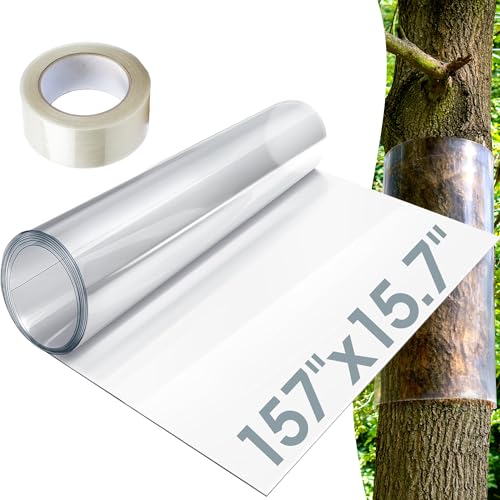
【Package Includes】You will receive a roll of iguana tree wrap in size of 157"x15.7" and a roll 108ft × 1.38 inch PET weather-resistant tape. Complete protection set is sufficient to wrap around the tree trunk, effectively block iguanas and reptiles from climbing and gnawing, providing all-weather protection for trees

Comprehensive Protection : Weed removal, hedge trimmers and animals can cause irreversible damage to young trees.Our plastic tree trunk protectors provide complete defense, effectively isolating saplings from potential harm caused by deer, rabbits,cats, squirrels, rodents, and lawn mowers
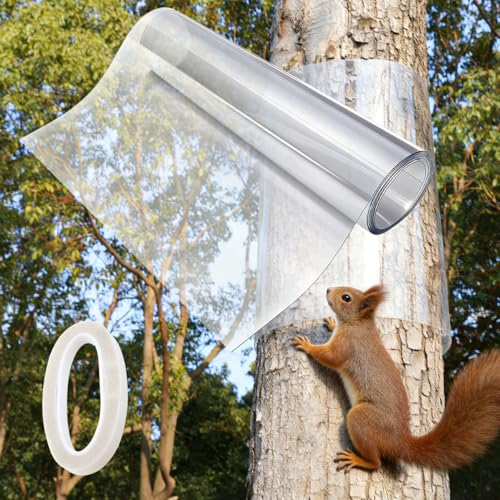
EFFECTIVE CLIMBING BARRIER: Specially designed to stop squirrels, raccoons, and lizards in their tracks. The ultra-smooth surface prevents them from gaining traction, causing them to slide down instantly. Provides 360° protection for your tree trunk,and prevent squirrels from posing a threat to eggs and nestlings in tree-mounted bird houses,and also prevent them from gnawing and damaging the trees.
Limiting Access Points
You can limit access by inspecting your fruit trees and the surrounding area. Start by identifying branches that overhang roofs or structures, as squirrels often use these to jump into trees. Trim these branches back to reduce the potential for entry.
Creating a physical barrier also helps. You can install metal or plastic guards around the trunk of the tree, at least 3-4 feet high. Burying the bottom edge of the guard prevents squirrels from digging underneath. Additionally, clear any debris or dense vegetation nearby that may serve as hiding spots. Keeping the area tidy removes potential nesting opportunities and reduces squirrel attraction.
Alternative Food Sources
You can redirect squirrels’ attention by providing alternative food sources away from fruit trees. Consider placing bird feeders or squirrel feeders filled with nuts and seeds at a distance from your fruit trees. This can divert their interest toward readily available food.
Ensure that these feeders are placed in a spot that’s easy for you to access for refilling but is at least 20 feet away from the trees. You can also place these feeders on poles with baffles to prevent squirrels from climbing down to the trees. Regularly check and refill these feeders, which keeps squirrels occupied and less focused on harvesting your fruit.
Tips for Long-Term Success
Maintaining a squirrel-free environment around your fruit trees requires ongoing effort and adaptation. Implement these strategies for better results.
Regular Maintenance and Monitoring
Monitor fruit trees regularly for signs of squirrel activity, such as gnawed branches or droppings. Inspect physical barriers like tree guards and netting, checking for wear or damage. Repair any holes or tears immediately to keep squirrels out.
Maintain your surrounding area by trimming overhanging branches to eliminate easy access. Regularly clear away debris like fallen fruit or leaves that can provide hiding spots. Keep feeders filled with alternative food sources, checking them weekly and adjusting their locations if necessary.
Community Strategies for Squirrel Control
Engage with your neighbors to collectively address squirrel issues. Share successful deterrent strategies to create a unified front against squirrels. Consider community-wide initiatives, such as scheduled clean-up days for shared garden spaces.
Establish a neighborhood communication channel, like a group chat or bulletin board, to report squirrel sightings and coordinate preventative measures. Create a local resource guide outlining effective repellents and physical barriers. A cooperative approach amplifies efforts and ensures a more squirrel-resistant environment in your community.
Conclusion
Keeping squirrels out of your fruit trees doesn’t have to be a daunting task. With the right strategies in place you can protect your harvest and enjoy the fruits of your labor. Whether it’s installing barriers using netting or finding effective repellents you’ve got plenty of options to choose from.
Regular maintenance and monitoring are key to staying one step ahead of those pesky critters. Engaging with your neighbors can also make a big difference as a community approach can amplify your efforts. By working together you can create a more squirrel-resistant environment for everyone. Happy gardening and may your fruit trees thrive!
Frequently Asked Questions
What attracts squirrels to fruit trees?
Squirrels are drawn to fruit trees primarily for their high-energy carbohydrates found in ripe fruits. They also seek safe nesting spaces, making fruit trees an appealing option for them.
Which squirrel species most commonly raid gardens?
The most common squirrel species that raid gardens include the Eastern Gray Squirrel, Fox Squirrel, and California Ground Squirrel. Recognizing these species can aid in implementing targeted prevention strategies.
How can I protect my fruit trees from squirrels?
To protect fruit trees, use physical barriers like tree guards that are at least 3-4 feet high and buried at the bottom. Additionally, applying netting or mesh can shield individual branches or entire trees effectively.
Are there natural repellents for squirrels?
Yes, natural repellents such as spicy sprays and essential oils can deter squirrels. It’s important to reapply after rain and check the product labels for safety, particularly if you have pets or children.
What environmental changes can help deter squirrels?
To deter squirrels, trim overhanging branches that provide access to fruit trees and clear debris that may attract them. Additionally, providing alternative food sources like feeders placed away from trees can redirect their attention.
How often should I monitor my fruit trees for squirrel activity?
Regular monitoring is essential. Gardeners should inspect their fruit trees frequently for signs of squirrel activity and promptly repair any damage to barriers. This helps maintain an effective deterrent against squirrel raids.
Should I involve neighbors in squirrel control efforts?
Yes, engaging neighbors can enhance effectiveness. By sharing successful strategies and coordinating efforts for squirrel control, you can create a more squirrel-resistant environment in shared garden spaces, improving overall results.
