

Have you noticed your plum tree isn’t bearing fruit anymore? It can be frustrating to watch a once-thriving tree suddenly go quiet. You might feel puzzled, especially if you’ve nurtured it with care and attention.
Key Takeaways
- Environmental Impact: Plum trees require optimal environmental conditions including at least six hours of sunlight and protection from late frost for successful fruit production.
- Soil Quality Matters: Ensure your soil is well-draining and has the appropriate pH (6.0-7.0). Regular soil testing and amending with organic fertilizers can enhance nutrient content.
- Pest and Disease Management: Monitor your plum tree for common pests like aphids and diseases like brown rot. Early detection and intervention are crucial for maintaining tree health and fruit yield.
- Pruning and Maintenance: Regular pruning during the dormant season improves air circulation and tree vitality. Aim to water consistently and apply mulch to retain moisture.
- Pollination Needs: Understand your tree’s pollination requirements; self-pollinating varieties need no additional tree for fruit, while cross-pollinating varieties benefit from planting a compatible partner nearby.
- Continuous Monitoring: Regular checks for environmental changes, soil health, pests, and pollinators are essential to ensure a fruitful plum tree season.
Common Reasons for Stopped Fruit Production
Several factors can cause your plum tree to stop producing fruit. Understanding these reasons helps you identify possible solutions and restore your tree’s harvest.
Environmental Factors
Environmental conditions play a critical role in fruit production. Temperature variations impact flowering and fruit set. For instance, late frosts can damage blossoms, preventing fruit development. Adequate sunlight is essential; plum trees require at least six hours of direct sunlight daily. High humidity might inhibit pollination, while drought can stress the tree and reduce yield. Regularly monitor weather patterns and adjust care based on seasonal changes.
Soil Quality Issues
Soil quality significantly affects fruit production. Poor drainage can suffocate tree roots, leading to health issues. Test your soil’s pH; plum trees thrive in slightly acidic to neutral soil (pH 6.0-7.0). Nutrient deficiency, particularly nitrogen, potassium, or phosphorus, stunts growth and fruit formation. Conduct a soil test and amend it with organic fertilizers to improve nutrient content. Regular mulching can also help maintain soil moisture and suppress weeds, supporting your tree’s overall health.
Pests and Diseases
Pests and diseases can significantly impact the fruit production of your plum tree. Identifying these issues early helps you address them effectively.
Recommended Products

3-in-1 FORMULA: Aphid spray for outdoor plants for use on roses, flowers, shrubs and trees to control listed insects, disease and mites

3-IN-1 PLANT CARE: 3-In-1 Insect, Disease & Plant Mite Control provides insect control, disease control, and plant mite control all in one; Rainproof protection starts in 4 hours and lasts up to 14 days
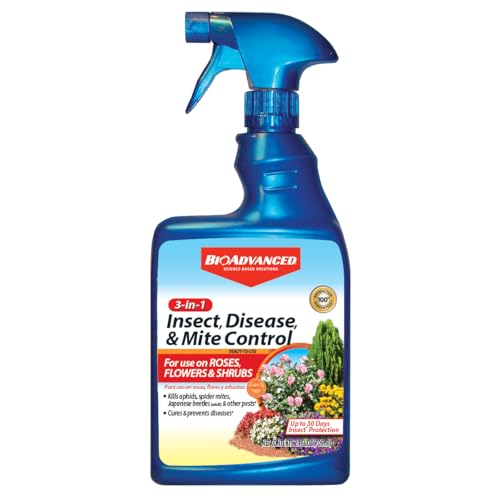
INSECT KILLER: Army worm killer. Also kills insects such as Aphids, Spider Mites, Japanese Beetles, Caterpillars, and other listed insects
Common Plum Tree Pests
- Aphids: These small insects suck sap from leaves, leading to stunted growth and reduced fruit yield. Regularly inspect your tree for clusters of these pests, especially on new growth.
- Plum Curculio: This beetle lays eggs in developing fruits, causing the fruit to drop prematurely. Look for crescent-shaped scars on the fruit and use traps to catch adult beetles.
- Spider Mites: These tiny pests thrive in dry conditions. They cause leaf discoloration and webbing on your tree. Increase humidity around your tree to deter their presence.
- Japanese Beetles: These shiny, metallic green pests feed on leaves and flowers, reducing overall vitality. Handpicking them off the tree is effective, or use insecticidal soap for larger infestations.
- Brown Rot: This fungal disease affects blossoms and fruits, causing them to rot. Remove affected fruits and practice proper sanitation by cleaning fallen debris from around the tree.
- Leaf Spot: This disease manifests as dark spots on leaves, leading to early leaf drop. Ensure good air circulation by properly spacing your tree and removing affected leaves promptly.
- Crown Gall: This bacterial disease creates tumors on roots and stems, hindering the tree’s growth. Avoid planting in areas with known crown gall issues and use disease-free nursery stock.
- Powdery Mildew: This fungal condition appears as a white powder on leaves and can impair fruit set. Maintain proper spacing for air flow and consider applying fungicides if it becomes severe.
Monitoring for pests and diseases regularly will help you maintain the health of your plum tree, ultimately improving its fruit production.
Pruning and Maintenance Practices
Regular pruning and maintenance of your plum tree significantly impact its fruit production. Keeping the tree healthy helps promote better yields and prevents common issues.
Recommended Products

Heat-Treated Serrated Saw Blade: 8" saw blade designed for efficient cutting of branches and tough materials, ensuring sharpness and durability.

Bleach-Alcohol free

PROTECTIVE SEAL - Bonide Pruning Sealer is a fast, easy, and effective dressing designed to aid in the healing of any kind of pruning cut, graft, or wound.
Importance of Proper Pruning
Proper pruning encourages strong growth and better air circulation within the tree. Cutting back dead or diseased branches allows the tree to direct energy towards producing fruit. Using sharp, clean tools prevents injury to the tree and reduces the risk of disease. Aim to prune your plum tree during its dormant season, typically late winter to early spring. Remove any crossing branches and focus on shaping the tree for optimal sunlight exposure.
- Soil Testing: Test the soil for pH and nutrient levels at least every few years. Aim for a pH between 6.0 and 7.0 for optimal growth.
- Fertilization: Use organic fertilizers to replenish lost nutrients. Apply according to the results of your soil test, typically in early spring.
- Watering: Water your plum tree consistently, especially during dry spells. Deep watering promotes strong root development. Aim for about 1 inch of water per week.
- Mulching: Apply a 2-4 inch layer of mulch around the base of the tree. This helps retain soil moisture and prevents weed growth.
- Pest Monitoring: Regularly inspect the tree for signs of pests. Look for droppings, webbing, or holes in leaves. Prompt identification allows for early intervention.
- Disease Management: Keep the area around the tree clean. Remove fallen fruit and leaves to minimize disease risk. Use proper sanitation techniques when handling tools.
By incorporating these pruning and maintenance practices, you’ll support your plum tree’s health and enhance fruit production.
Pollination Challenges
Pollination plays a crucial role in the fruit production of plum trees. Various challenges in this area can hinder the formation of fruit, leading to disappointment for caretakers.
Role of Pollinators
Pollinators, such as bees and butterflies, facilitate the transfer of pollen between flowers. This process is essential for fruit set. Lack of pollinator activity often results in poor fruiting. If you notice few pollinators visiting your plum tree, several factors could be at play. Nearby pesticide use, habitat loss, and extreme weather conditions can deter these beneficial insects. To encourage pollinators, consider planting native flowers nearby and minimizing pesticide applications.
Self-Pollinating vs. Cross-Pollinating Varieties
Understanding the type of plum tree you have is key. Self-pollinating varieties, such as ‘Methley’ and ‘Santa Rosa’, can produce fruit without needing another tree. If you have these types and the tree still lacks fruit, other issues may be at fault. Cross-pollinating varieties, like ‘Stanley’ or ‘Blue Damson’, require a different plum variety for successful fruiting. Ensure you plant compatible varieties within 50 feet of each other to promote effective cross-pollination. If space allows, consider adding a second plum tree for enhanced fruit production.
Conclusion
Getting your plum tree back to fruiting can feel like a puzzle but don’t lose hope. By taking the time to assess the various factors affecting your tree’s health you can make a real difference. Whether it’s improving soil quality managing pests or ensuring proper pollination every step counts.
Remember to be patient as changes take time to show results. With a little care and attention your plum tree can thrive again bringing you delicious fruit for years to come. Keep nurturing your tree and enjoy the journey of watching it flourish.
Frequently Asked Questions
Why have my plum trees stopped bearing fruit?
Plum trees may stop bearing fruit due to several reasons, including environmental factors like temperature extremes, insufficient sunlight, or issues with humidity and drought. Soil quality also plays a role; poor drainage, incorrect pH, or nutrient deficiencies can impact fruit yield. Reviewing these factors can help identify and address the cause of the issue.
How can I improve the soil quality for my plum trees?
To improve soil quality for plum trees, conduct a soil test to check pH and nutrient levels. Use organic fertilizers to address deficiencies, and consider implementing regular mulching to retain moisture and suppress weeds. Ensuring proper drainage is also crucial for maintaining healthy soil conditions.
What pests should I watch out for on my plum trees?
Common pests affecting plum trees include aphids, plum curculio, spider mites, and Japanese beetles. These pests can harm the tree and reduce fruit production. Regular monitoring and implementing management strategies, such as insecticidal soap or beneficial insects, can help keep pests under control.
What diseases can affect plum trees and how do I manage them?
Plum trees are susceptible to diseases such as brown rot, leaf spot, crown gall, and powdery mildew. Early identification is essential for effective management. Maintain proper sanitation practices, prune infected branches, and apply appropriate treatments to mitigate disease impact and support your tree’s health.
How important is pruning for plum trees?
Regular pruning is crucial for plum trees as it promotes strong growth and better air circulation, allowing the tree to focus on fruit production. It is best to prune during the dormant season, removing dead or crossing branches to enhance overall tree health and fruit yield.
How can I attract pollinators to my plum trees?
To attract pollinators, plant native flowers nearby and minimize pesticide use. Creating a diverse garden environment supports pollinator populations, ensuring effective pollen transfer for your plum trees. This increases the chances of successful fruiting, particularly for cross-pollinating varieties.
Should I plant another plum tree for better fruit production?
If your plum tree is a cross-pollinator, planting another compatible plum tree nearby can enhance fruit production. Self-pollinating varieties can produce fruit alone, but having a second tree often increases yield and improves overall tree health. Consider your space and local policies before planting.
