

Have you ever wondered if you can plant honeydew seeds from that sweet, juicy fruit you just enjoyed? Picture this: you’re in your kitchen, scooping out the seeds from a ripe honeydew melon, and a thought crosses your mind – could these little seeds actually grow into something new?
In this article, we’ll explore the exciting world of planting honeydew seeds right at home. You’ll discover the simple steps to take, the care needed for successful growth, and the satisfaction of nurturing your own garden from scratch. Get ready to unlock the potential of those tiny seeds and witness nature’s magic unfold before your eyes.
Key Takeaways
- Honeydew seeds hold the potential for growing vibrant plants when planted in suitable conditions.
- Select fresh, plump honeydew seeds for optimal germination and viability.
- Plant honeydew seeds in well-draining soil with adequate sunlight exposure for successful growth.
- Water honeydew seedlings deeply but infrequently, fertilize once established, and control weeds to promote healthy plant development.
- Harvest ripe honeydews based on color, texture, and sound indicators using gentle twisting or cutting techniques in the morning for the best results.
Understanding Honeydew Seeds
Honeydew seeds are the tiny gems found within honeydew melons, encapsulating the potential for lush greenery in your garden. These seeds hold the promise of new life, waiting to sprout and grow into vibrant plants with proper care and attention.
What Are Honeydew Seeds?
Honeydew seeds are small, oval-shaped seeds nestled within the juicy flesh of honeydew melons. Each seed is a powerhouse of life, containing genetic information that dictates how the plant will develop. When planted in suitable conditions, these seeds germinate and give rise to honeydew plants that bear sweet, succulent fruits.
Viability of Honeydew Seeds for Planting
The viability of honeydew seeds for planting largely depends on their freshness and quality. Fresh honeydew seeds harvested from ripe melons have a higher chance of germination compared to older or poorly stored seeds. It’s essential to select plump, healthy-looking seeds free from damage or mold for optimal results.
To test the viability of honeydew seeds before planting them, you can conduct a simple float test. Place the seeds in a bowl of water; viable ones will sink to the bottom, indicating their readiness for planting. Discard any floating or damaged seeds as they may not sprout successfully.
By understanding the nature of honeydew seeds and assessing their viability accurately, you can embark on a rewarding journey of growing your own bountiful harvest right from these humble beginnings.
Preparing to Plant Honeydew Seeds
When it comes to planting honeydew seeds, proper preparation is key to ensuring successful growth. Here’s what you need to do before getting your hands dirty:
Recommended Products

NUTRIENT-RICH, NATURAL, AND ORGANIC SOIL: Grow a bountiful garden in your home with the Back to the Roots All-Purpose Natural and Organic Peat-Free 3-in-1 Seed Starting Mix, packed with the nutrients needed for your plants, flowers, and vegetables to thrive

Miracle-Gro Indoor Potting Mix for Seed Starting grows stronger roots for seeding success (vs unfed when used as directed)

CONTAINS: This organic Seed Stating soil mix is a rich blend of sphagnum peat moss & perlite with yucca extract and lime to ensure correct pH.
Selecting Quality Seeds
To kick off your honeydew growing journey, start by selecting high-quality seeds. Look for seeds that are plump, firm, and free from any signs of damage or decay. Freshness is crucial for seed viability, so opt for recently harvested seeds whenever possible. Remember, the better the quality of the seed, the higher the chances of successful germination.
Necessary Soil Conditions
Once you have your premium honeydew seeds in hand, it’s time to consider the soil conditions for optimal growth. Honeydews thrive in well-draining soil that is rich in organic matter. Ensure that the soil pH level falls between 6.0 and 6.8 for ideal cultivation. Additionally, choose a sunny spot in your garden with at least six hours of direct sunlight daily to provide ample light for your honeydew plants.
Planting Process for Honeydew Seeds
When it comes to planting honeydew seeds, timing and method are key factors in ensuring successful growth. Let’s dive into the best practices for planting honeydew seeds.
Recommended Products

12-LED GROW LIGHT PER TRAY — Each of the five seed starting trays features a full-spectrum grow light with 12 LED beads, providing supplemental light for indoor seedlings.

Beautiful - Large individual packet of Green Honeydew Melon (Cucumis melo) seeds. Grow an abundant harvest of sweet melons. Each plant grows vigorously and produces 2-4 melons. Minimum of 1.5g per packet (about 50 seeds).
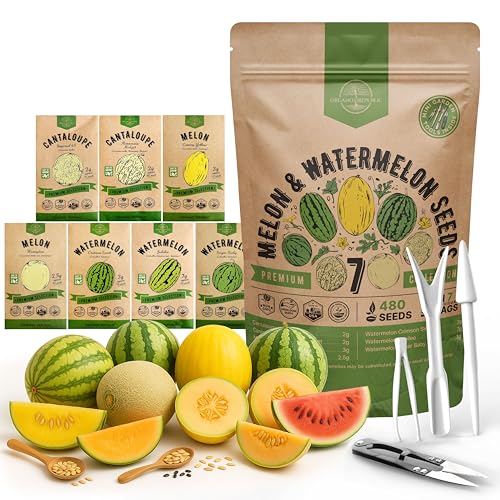
Gardening Kit: 7 Melon & Watermelon Seeds Variety Pack NON GMO Heirloom Seeds LESS THAN $2.00 PER SEED VARIETY PACK 480+ seeds including: Cantaloupe Imperial, Cantaloupe Minnesota Midget, Melon Canary Yellow, Melon Honeydew, Watermelon Crimson Sweet, Watermelon Jubilee, Watermelon Sugar Baby.
Best Time to Plant
For optimal results, plant honeydew seeds in late spring or early summer when the soil temperature reaches around 70°F (21°C). This period provides the ideal conditions for germination and robust plant development. Avoid planting too early when the soil is still cold, as this can hinder seedling emergence.
- Seed Selection: Choose high-quality honeydew seeds from reputable suppliers to ensure viability and healthy plant growth.
- Soil Preparation: Opt for well-draining soil rich in organic matter with a pH level between 6.0 and 6.5. Ensure adequate sunlight exposure for at least 6-8 hours daily.
- Planting Depth: Sow the seeds about 1 inch deep in moist soil, spacing them 2-3 feet apart in rows or mounds.
- Watering: Keep the soil consistently moist but not waterlogged during germination and early growth stages.
- Mulching: Apply a layer of mulch around the plants to retain moisture, suppress weeds, and maintain even soil temperature.
- Support Structures: Consider providing trellises or supports for vine growth, especially if space is limited.
- Fertilization: Use a balanced fertilizer according to package instructions once the plants have established themselves.
- Pest Control: Monitor for common pests like aphids or cucumber beetles and take appropriate measures to protect your plants.
Caring for Honeydew Seedlings
Taking care of your honeydew seedlings is crucial to ensure their healthy growth and development. Here’s how you can effectively care for your honeydew plants:
Recommended Products

Package contains 10 Honeydew Earli-Dew Hybrid Melon Seeds

Sweet and refreshing
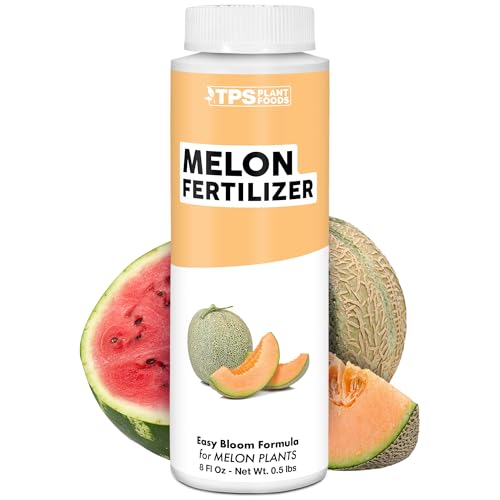
Helps Promote Vine Growth & Fruit Development – Supports strong vines and balanced fruiting.
Watering Requirements
Watering your honeydew seedlings appropriately is essential for their growth. Ensure the soil remains consistently moist but not waterlogged. A good practice is to water deeply and less frequently to encourage root growth. Aim to water in the morning to allow foliage to dry during the day, reducing the risk of fungal diseases.
Fertilizing and Weed Control
Fertilize your honeydew plants with a balanced fertilizer once they have established several true leaves. Use a slow-release fertilizer or apply liquid fertilizer every two weeks according to package instructions. Additionally, keep the area around your seedlings weed-free to prevent competition for nutrients and reduce the risk of pests hiding in weeds.
By following these simple tips on watering, fertilizing, and weed control, you can nurture your honeydew seedlings into thriving plants that will reward you with delicious fruits in due time.
Harvesting Your Honeydew
When it comes to harvesting your honeydew, there are a few key aspects to keep in mind to ensure you pick the fruits at their peak ripeness. Let’s explore the signs of maturity and some effective harvesting techniques.
Signs of Maturity
To determine if your honeydew is ready for harvest, look out for these indicators:
- Color: A ripe honeydew will have a creamy yellow color on its skin, indicating sweetness.
- Texture: The skin should feel slightly waxy and yield slightly when pressed.
- Sound: When thumped gently, a mature honeydew will produce a deep, hollow sound.
By paying attention to these signs, you can confidently select ripe honeydews for harvesting.
Harvesting Techniques
Follow these steps for optimal harvesting of your honeydew:
- Twist Method: Gently twist the fruit from the vine; if it resists, it may not be fully ripe.
- Cutting Technique: Use sharp shears or a knife to cut the stem close to the fruit without damaging it.
- Timing: Harvest in the morning when temperatures are cooler for better fruit quality.
By employing these techniques, you’ll be able to enjoy deliciously sweet and juicy honeydews from your garden at their prime readiness.
Conclusion
Planting honeydew seeds can be a rewarding experience that allows you to enjoy the fruits of your labor. By selecting quality seeds, preparing the right soil conditions, and providing proper care throughout the growth process, you can successfully cultivate vibrant honeydew plants in your own garden. Remember to pay attention to watering, fertilizing, and weed control to ensure healthy plant development. When it comes time for harvesting, keep an eye out for signs of maturity and use effective techniques like the twist method or cutting technique. Following these steps from planting to harvest will help you nurture thriving honeydew plants and savor the sweet taste of homegrown fruits. Happy gardening!
Frequently Asked Questions
What are the key factors for successful honeydew seed planting?
To ensure successful honeydew seed planting, focus on using high-quality seeds and well-draining soil with organic richness. Check soil pH levels and provide adequate sunlight exposure.
How should I care for honeydew seedlings?
Care for honeydew seedlings by meeting watering needs adequately, employing proper fertilizing techniques, and implementing weed control measures to support healthy growth.
When is the right time to harvest honeydew fruits?
Harvest honeydew fruits when they exhibit signs of maturity such as color change, texture firmness, and a hollow sound upon tapping.
What are effective harvesting techniques for honeydew fruits?
Effective harvesting techniques include using the twist method or cutting technique to detach ripe honeydews from the vine without damaging them.
