

Growing orange trees in pots in North Dakota requires careful planning and specific strategies to survive the cold winters. By selecting cold-hardy varieties and implementing protective measures, you can successfully cultivate these citrus trees in a challenging climate.
Cold-Hardy Orange Tree Selection for North Dakota
Selecting the right cold-hardy orange tree is crucial for successful cultivation in North Dakota’s challenging climate. This section explores various orange tree varieties that can withstand lower temperatures while still producing fruit. Understanding these options will help gardeners make informed choices for their potted orange trees.
Choosing the right orange tree variety is crucial for successful growth in North Dakota. Cold-hardy varieties can withstand lower temperatures, making them more suitable for this region. Look for varieties such as:
Satsuma: Known for its sweet flavor and ability to tolerate colder climates.
Kiyomi: A hybrid that combines the best traits of different citrus species.
Clementine: Small and easy to peel, these are also more resilient to cold.
These varieties not only survive but can thrive in pots with proper care.
Pot Selection and Soil Mix for Winter Survival
Selecting the right pot and soil mix is crucial for the survival of orange trees in North Dakota’s harsh winters. The choice of materials can significantly impact the tree’s ability to withstand cold temperatures and maintain health during the dormant season. Understanding these factors will help ensure your potted orange trees thrive despite the challenging climate.
The right pot and soil mix can significantly impact the survival of your orange trees during harsh winters. Use pots that offer good drainage to prevent root rot. Ideal pot materials include:
Terracotta: Breathable and helps regulate moisture.
Plastic: Lightweight and retains heat better.
For soil, choose a well-draining mix designed for citrus trees. A combination of:
Potting soil
Perlite
Coconut coir
This mix will provide the necessary nutrients and aeration for healthy root development.
Recommended Products

Enriched with Organic Fertilizer – This lemon tree fertilizer provides nutrients for up to 6 months, so your citrus trees stay healthy and productive with minimal upkeep.

Made For Potted Citrus Trees: Our citrus potting soil mix is made for potted lemon, lime, orange and other citrus trees that need a lighter growing medium for repotting. We double-screen all of our raw ingredients to support a cleaner, more consistent texture for pouring and repotting potted citrus trees.
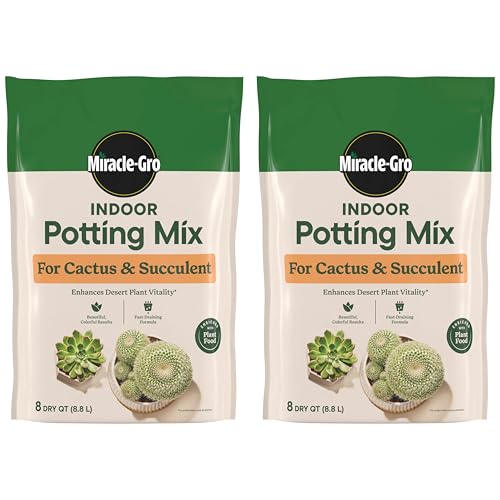
Miracle-Gro Indoor Potting Mix for Cactus and Succulent is enriched with Miracle-Gro Plant Food and enhances desert plant vitality (vs unfed plants when used as directed)
Winter Protection for Potted Orange Trees
Potted orange trees can thrive even in the harsh winters of North Dakota with the right protection strategies. Understanding how to shield these delicate plants from freezing temperatures is essential for their survival. This section explores effective methods to ensure your orange trees remain healthy and vibrant throughout the cold season.
During winter, your orange trees need extra protection to survive freezing temperatures. Here are effective strategies:
Bring indoors: Move pots inside during the coldest months.
Use frost cloths: Cover trees with frost cloths when temperatures drop.
Create a microclimate: Place pots against a south-facing wall to absorb heat.
Recommended Products

THICKER MATERIAL: Our plant freeze protection cover is made of UV stabilized polypropylene. Upgraded thicker 0.9oz./sq.yard lightweight but durable. Soft plant covers are friendly and no harm to your plants. Breathable non-woven fabric allow light, air go through the frost cloths and reach the plants.
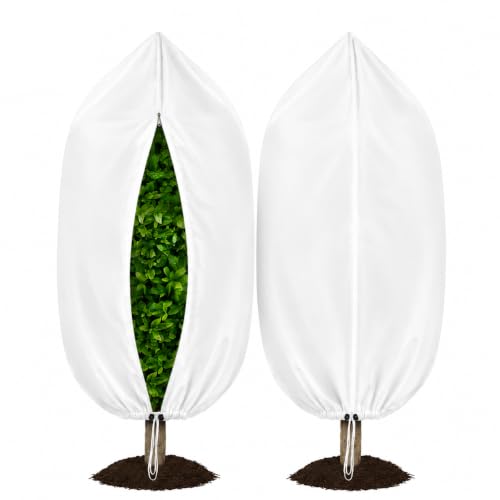
70GSM (2.07oz) Polypropylene Nonwoven Fabric — Ideal weight for winter use. Blocks cold wind and provides a barrier against frost down to -5°C (23°F). Breathable to avoid overheating. For colder areas below -10°C, layer two covers for more coverage,2 covers per pack for multiple plants
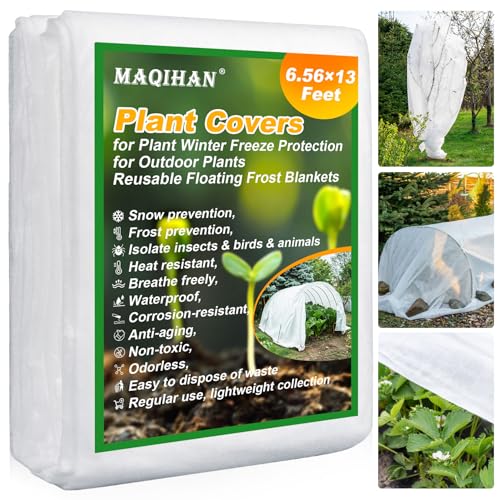
Product Features: Our plant covers are ideal for protecting all plant. Made from premium 1 oz/sq non-woven fabric, their durability and breathability ensuring both insulation against frost and facilitation of sunlight penetration for healthy plant growth
Winter Protection Methods for Potted Orange Trees
Winter can be particularly harsh in North Dakota, posing unique challenges for potted orange trees. To ensure their survival during frigid temperatures, it’s essential to implement effective protection methods. This section explores various strategies that can help keep your orange trees thriving through the cold months.
| Protection Method | Effectiveness | Difficulty (1-5) |
|---|---|---|
| Bring indoors | High | 2 |
| Use frost cloths | Medium | 3 |
| Create microclimate | Medium | 4 |
Winter Watering Techniques for Potted Orange Trees
Successfully growing potted orange trees in North Dakota requires careful attention to winter watering techniques. As temperatures drop, understanding how to manage moisture levels becomes crucial for the trees’ survival. This section explores effective strategies to ensure your orange trees thrive despite the challenges posed by cold weather.
Proper watering and fertilization are essential for maintaining healthy orange trees during winter. Adjust your watering schedule to prevent overwatering, which can lead to root rot. Key points include:
Water sparingly: Allow the top inch of soil to dry out before watering again.
Use a balanced fertilizer: Apply a slow-release fertilizer specifically formulated for citrus trees every 6-8 weeks during the growing season.
Fertilizer Timing for Potted Orange Trees
Understanding the optimal timing for fertilizing potted orange trees is crucial for their survival in North Dakota’s challenging climate. Proper nutrient management can enhance growth and resilience, ensuring these trees thrive despite the cold. This section will explore effective fertilization strategies tailored for potted orange trees in colder regions.
| Month | Action |
|---|---|
| March | Apply slow-release fertilizer |
| May | Reapply fertilizer |
| July | Final application before winter |
Pest and Disease Monitoring for Orange Trees
Maintaining the health of orange trees in pots, especially in a challenging climate like North Dakota, requires vigilant pest and disease monitoring. Identifying potential threats early can help ensure that these trees thrive despite the cold. Understanding common issues and implementing proactive measures is essential for successful cultivation.
Even in cold climates, orange trees can be susceptible to pests and diseases. Regular monitoring is essential. Look for signs of:
Aphids: Small, green insects that can weaken trees.
Fungal infections: Yellowing leaves may indicate root rot or other issues.
Insecticidal Soap for Aphid Management
Managing aphids on orange trees in pots is crucial for their health, especially in North Dakota’s challenging climate. Insecticidal soap offers an effective and environmentally friendly solution to combat these pests. This section explores how to use this method to protect your citrus plants from aphid infestations.
Insecticidal soap: Effective against aphids and other soft-bodied insects.
Neem oil: A natural pesticide that helps control fungal infections.
Best Practices for Potted Orange Trees
Successfully growing potted orange trees in North Dakota requires careful attention to their unique needs, especially given the region’s cold climate. Implementing best practices not only enhances their growth but also ensures their survival during harsh winters. This section outlines essential strategies for nurturing these citrus trees in containers, focusing on temperature management, watering, and protection techniques.
To ensure the longevity of your orange trees in North Dakota, follow these key recommendations:
Choose cold-hardy varieties suited for pot cultivation.
Prepare pots and soil with excellent drainage.
Implement winter protection strategies to shield from freezing temperatures.
Adjust watering and fertilization according to seasonal needs.
Regularly monitor for pests and diseases to maintain tree health.
By adhering to these strategies, you can successfully cultivate orange trees in pots, even in the colder regions of North Dakota.
