

Growing avocado trees in Wisconsin requires careful selection of varieties and protective measures against the cold climate. Choosing cold-hardy avocado types and implementing proper winter care can lead to successful growth even in challenging conditions.
Cold-Hardy Avocado Varieties for Wisconsin
Choosing the right avocado variety is crucial for successful growth in Wisconsin’s cold climate. Cold-hardy varieties, such as the Bacon and Fuerte avocados, can withstand lower temperatures compared to others. These trees can survive in USDA hardiness zones 8 to 10, making them suitable for some areas in Wisconsin with proper care.
| Variety | Cold Tolerance | Growth Habit | Flavor Profile |
|---|---|---|---|
| Bacon | 20°F | Medium | Creamy, mild |
| Fuerte | 26°F | Tall | Rich, nutty |
Site Preparation for Avocado Trees
Proper site preparation ensures that avocado trees thrive. Select a location that receives full sun for at least six hours daily. The soil should be well-draining to prevent root rot, which can be detrimental in colder months. Consider the following steps for site preparation:
Test soil pH for optimal growth (6 to 6.5 is ideal).
Amend soil with organic matter to improve drainage.
Create raised beds if drainage is a concern.
Recommended Products
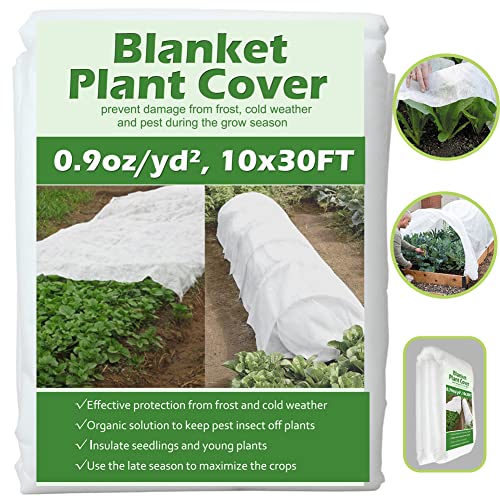
※Big Size to cover large area : The size of our plant cover is 10x30ft, the size can cover large areas. You can cut the plant covers freeze protection into different sizes for different use. You can cover it over the plant such as shrub tomato, pepper, pumpkin, and so on.

THICKER MATERIAL: Our plant freeze protection cover is made of UV stabilized polypropylene. Upgraded thicker 0.9oz./sq.yard lightweight but durable. Soft plant covers are friendly and no harm to your plants. Breathable non-woven fabric allow light, air go through the frost cloths and reach the plants.

Premium Material - Made of 2.06 oz/yd²(70gsm) breathable, non-woven fabric, the frost blankets for outdoor plants are an affordable, durable, and convenient way to provide frost and cold protection to outdoor plants. Breathable yet waterproof, these winter plant covers allow sunlight to penetrate while shielding a plant from cold air and helping to maintain a consistent inner temperature.
Winter Protection Strategies for Avocado Trees
Wisconsin’s cold winters pose unique challenges for growing avocado trees, requiring careful planning and protective measures. This section explores effective winter protection strategies to ensure your avocado trees survive and thrive despite harsh temperatures and frost. By implementing these techniques, you can safeguard your plants and promote healthy growth during the warmer months.
Wisconsin winters can be harsh, so implementing protective measures is essential for avocado trees. Use mulch to insulate the roots and retain moisture. Additionally, consider wrapping the trunk with burlap to protect against frost damage.
Apply a thick layer of mulch around the base.
Use frost cloths during extreme cold snaps.
Install windbreaks to shield trees from harsh winds.
Avocado Tree Watering and Fertilizing Guidelines
Successfully growing avocado trees in Wisconsin requires careful attention to watering and fertilizing practices. Given the unique challenges posed by the cold climate, understanding the specific needs of these trees is essential for promoting healthy growth and fruit production. The following guidelines will help ensure your avocado trees thrive despite the weather conditions.
Watering and fertilizing avocado trees appropriately supports healthy growth. Avocados require consistent moisture but can be sensitive to overwatering. Use the following guidelines to maintain optimal conditions:
Water deeply once a week during the growing season.
Reduce watering in winter months to prevent root rot.
Fertilize with a balanced fertilizer every six weeks during the growing season.
Effective Pest Management for Avocado Trees
Managing pests is crucial for the health of avocado trees, especially in Wisconsin’s unique climate. This section delves into effective strategies and practices tailored for cold-weather conditions, ensuring that your avocado trees remain resilient against common threats. By understanding pest behavior and implementing targeted control measures, you can promote robust growth and fruitful harvests.
Pests can threaten avocado tree health. Regular monitoring and proactive measures can prevent infestations.
Look for common pests such as aphids and spider mites. Use the following strategies for effective pest control:
Inspect leaves regularly for signs of pests.
Use insecticidal soap for minor infestations.
Encourage beneficial insects like ladybugs to manage pests naturally.
Avocado Tree Seasonal Growth Insights
Understanding the seasonal growth patterns of avocado trees is crucial for successful cultivation in Wisconsin’s unique climate. This section delves into the specific growth phases of avocado trees, highlighting how temperature variations and seasonal changes impact their development. By grasping these insights, growers can better adapt their care practices to ensure healthy and productive trees.
Understanding the growth patterns of avocado trees helps in planning care schedules. Avocado trees typically grow actively in spring and summer, while they enter a dormant phase in winter. Recognizing these patterns aids in proper maintenance.
Monitor growth stages to adjust watering and fertilizing.
Prune trees in late winter to promote healthy growth.
Prepare for dormancy by reducing water and fertilization.
Frost Pocket Planting Risks
When cultivating avocado trees in Wisconsin, understanding the risks associated with frost pockets is essential. These low-lying areas can trap cold air, leading to unexpected temperature drops that may jeopardize young trees. Proper site selection and planting strategies can mitigate these risks and promote healthier growth in challenging conditions.
Avoid planting avocado trees in areas prone to frost pockets. This can lead to severe damage or death of the tree.
Optimal Timing for Avocado Harvesting
Understanding the optimal timing for harvesting avocados is crucial for maximizing flavor and quality, especially in Wisconsin’s unique climate. This section delves into the specific indicators and seasonal cues that signal when avocados are ready for picking, ensuring that growers can achieve the best possible results despite the challenges posed by colder temperatures.
Harvesting avocados at the right time ensures optimal flavor and texture. Avocados do not ripen on the tree but rather after being picked. Follow these steps for successful harvesting:
Check for firmness by gently squeezing the fruit.
Use pruning shears to cut the fruit from the branch.
Store harvested avocados at room temperature until ripe.
| Harvesting Tip | Description |
|---|---|
| Timing | Harvest when fruit is slightly soft. |
| Tools | Use clean pruning shears to avoid damage. |
| Storage | Keep at room temperature to ripen. |
Implementing these practices will enhance your chances of successfully growing avocado trees in Wisconsin’s cold climate. With proper care and attention, these trees can thrive and produce delicious fruit.
