

Ever wondered how many cucamelon plants you should grow in your garden for a bountiful harvest? Picture this: You’re eager to cultivate these unique, grape-sized fruits but unsure about the ideal number of plants. Well, fret not! In this article, we’ll simplify the process for you.
Have you ever found yourself standing amidst your garden beds, pondering over the perfect cucamelon plant count? It’s a common dilemma faced by many gardening enthusiasts like yourself. Determining the right quantity can make all the difference in maximizing your yield and space utilization.
Key Takeaways
- Understanding the basics of cucamelon plants is crucial for determining the ideal number to grow.
- Evaluate your garden space and anticipate plant yield to determine how many cucamelon plants you need.
- Follow best practices for planting and caring for cucamelons, including proper soil preparation and spacing.
- Provide optimal growing conditions such as sunlight, temperature, soil quality, and support structures for healthy plant development.
- Avoid overplanting to prevent competition for resources and prioritize proper care and maintenance to ensure a successful harvest.
Understanding Cucamelon Plant Basics
If you’re wondering how many cucamelon plants to grow, understanding the basics of these unique plants is key to making an informed decision.
Recommended Products

【Versatile Support】This honeycomb plant trellis indoor is perfect for a variety of climbing plants, including vines, flowers, and vegetables. Its versatile design allows garden trellis to be used both indoors and outdoors, providing essential support for your plants to grow

Tired of replacing supports as your plants grow? Our indoor plant support stakes feature a removable, stackable design, with each support measuring 11 inches. Placing one stake on top of another allows you to extend their height as your plants grow, making them ideal for seedlings, monstera plant support, climbing vines, and tall stems. They provide strong stem support without bending or breaking.

GROWS WITH YOUR PLANT - Use a single board for young plants, then add extension plates as your Pothos or Monstera climbs higher. Supports your plant from sprout to maturity – no need to buy a new trellis as it grows.
What Are Cucamelons?
Cucamelons, also known as “Mexican sour gherkins” or “mouse melons,” are tiny fruits that resemble miniature watermelons. These grape-sized fruits have a cucumber-like taste with a hint of tanginess, making them a popular choice for home gardens. They are not only visually appealing but also versatile in their culinary uses, adding a refreshing twist to salads and pickles.
Growth Habits and Characteristics
Cucamelon plants are vigorous climbers that require support structures like trellises or fences to grow vertically. With delicate vines and small leaves, they can reach heights of up to 10 feet if provided adequate support. These plants thrive in warm weather conditions and need ample sunlight to produce an abundant harvest. Additionally, cucamelons are known for their high productivity, yielding numerous fruits throughout the growing season.
By familiarizing yourself with the characteristics of cucamelon plants, you can better assess how many plants you’ll need based on your garden space and desired harvest yield.
Determining How Many Cucamelon Plants You Need
To ensure a successful harvest of cucamelons, you need to assess how many plants your space can accommodate and anticipate the yield each plant will produce. Here’s how you can go about it:
Recommended Products

High Germination Rate: cucamelons seeds sprout in 10-14 days at 70 °F, Full sun, Start inside 4 weeks before last frost or outdoors in warm soil. Sow 1/4" deep, space 9-12" apart – perfect climbing cucumber seeds for patio or vegetable garden.

Beautiful – Large premium packet of Cucamelon (Melothria scabra) seeds. Also known as Mexican Sour Gherkin, cucamelon is a unique, vining plant that produces small, cucumber-like fruits with a tangy, citrusy flavor. Perfect for pickling, salads, or snacking, these little fruits are a fun addition to any garden. Minimum of 200 mg per packet (about 65 seeds).
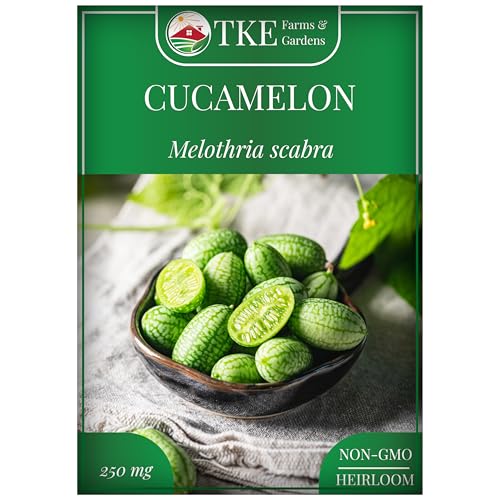
EASY TO GROW - INSTRUCTIONS INCLUDED: Perfect for both beginners and experienced gardeners, these cucamelon seeds are easy to grow. With straightforward instructions, you’ll cultivate a lush crop of bite-sized fruits—great for snacking straight off the vine or adding a twist to dishes.
Evaluating Your Space
Check the available area in your garden or planting containers where you intend to grow cucamelons. Measure the space both horizontally and vertically to determine how many plants can fit comfortably without overcrowding. Consider factors like sunlight exposure, soil quality, and access to water when planning the layout for your cucamelon plants.
Anticipating Plant Yield
Cucamelon plants are known for their productivity, with each plant capable of yielding a significant number of fruits throughout the growing season. On average, a single cucamelon plant can produce anywhere from 50 to 100 fruits. Based on your consumption needs or preservation goals, calculate the total number of fruits required and adjust the plant count accordingly.
By evaluating your available space and considering the anticipated yield per plant, you can determine precisely how many cucamelon plants you need for a bountiful harvest tailored to your preferences.
Planting and Caring for Cucamelon
When it comes to planting and caring for cucamelons, there are some best practices you should follow to ensure a successful harvest. Here’s what you need to know:
Recommended Products
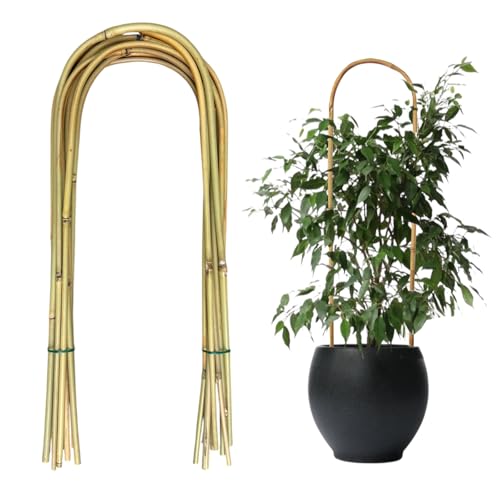
【Natural bamboo】Made of natural renewable bamboo material, handmade bamboo shape to ensure the product is beautiful and strong, after heat fumigation treatment, effectively prevent cracking, long life.
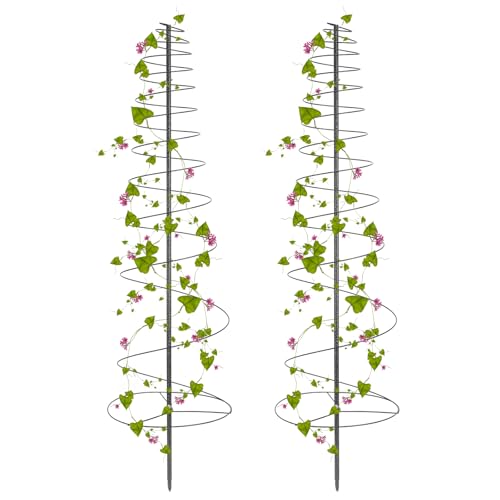
Unique Design: The spiral design expands in seconds—no tools needed! Secure buckle at the base lock the trellis firmly in place, keeping your climbing plants upright even in strong winds.

High-quality material: Our tomato twist stake trellis is made of high-quality steel wire with coating on the surface, smooth to the touch, and not easy to rust after long-term use. Sturdy steel wire is not easy to break and bend, enough to provide stable support for plants
Best Practices for Planting
To plant cucamelons effectively, start by selecting a sunny spot in your garden with well-draining soil. Follow these steps:
- Prepare the Soil: Ensure the soil is rich in organic matter by adding compost or aged manure.
- Planting Depth: Sow the seeds about 1 inch deep in small mounds or containers.
- Spacing: Allow adequate space between plants, approximately 12 inches apart, to promote proper growth.
- Watering: Keep the soil consistently moist but not waterlogged.
Necessary Conditions for Optimal Growth
For optimal growth of cucamelon plants, pay attention to the following conditions:
- Sunlight: Cucamelons thrive in full sun, so choose a location that receives at least 6-8 hours of sunlight daily.
- Temperature: These plants prefer warm temperatures above 70°F (21°C) for optimal growth.
- Soil Quality: Ensure the soil is well-draining and rich in nutrients to support healthy plant development.
- Support Structures: Consider providing trellises or stakes for cucamelon vines to climb and grow vertically.
By following these best practices and ensuring the necessary conditions are met, you can successfully plant and care for your cucamelon plants, leading to a bountiful harvest tailored to your preferences.
Common Mistakes to Avoid
When growing cucamelon plants, it’s essential to steer clear of common pitfalls that can hinder your harvest. Here are some mistakes to watch out for:
Overplanting Issues
To ensure optimal growth and yield, avoid overcrowding your garden with too many cucamelon plants. While it may be tempting to maximize your harvest, overplanting can lead to competition for resources like sunlight, water, and nutrients among the plants. This can result in stunted growth, reduced fruit production, and overall poor plant health.
Neglecting Proper Care and Maintenance
Proper care and maintenance are crucial for the success of your cucamelon plants. Neglecting tasks such as watering, fertilizing, pruning, and pest control can leave your plants vulnerable to diseases and pests. Make sure to regularly inspect your plants for any signs of distress or infestation and take prompt action to address any issues that arise.
By avoiding these common mistakes and following best practices in planting and caring for your cucamelons, you can set yourself up for a bountiful harvest of these unique fruits.
Conclusion
Growing cucamelons can be a rewarding experience for any gardening enthusiast. By understanding the characteristics of these plants and implementing proper planting and care practices, you can ensure a successful harvest. Remember to consider factors like garden space, sunlight, soil quality, and maintenance tasks to optimize plant growth. Avoid common mistakes such as overplanting and neglecting care routines to promote healthy cucamelon development. With the right approach, you’ll enjoy a bountiful yield of these unique fruits in your garden. Happy gardening!
Frequently Asked Questions
How many cucamelon plants should I grow in my garden for a successful harvest?
For a successful harvest, aim to grow 2-3 cucamelon plants per square foot of garden space. This optimal plant count ensures proper spacing and access to sunlight, leading to healthy growth and higher yields.
What are the key factors to consider when planting and caring for cucamelons?
When planting cucamelons, choose a sunny location with well-draining soil. Provide adequate spacing between plants, ensure they receive at least 6-8 hours of sunlight daily, maintain soil moisture levels, fertilize as needed, and protect against pests.
What are some common mistakes to avoid when growing cucamelons?
Avoid overplanting cucamelons, as this can lead to competition for resources and stunted growth. Neglecting watering, fertilizing, pruning, or pest control can also hinder plant development and reduce harvest quality.
