

Have you ever dreamed of harvesting fresh cucamelons right from your indoor garden? Picture this: no more running to the store for these crisp, tangy treats. What if we told you that cultivating cucamelons indoors is not only achievable but also incredibly rewarding?
In this article, you’ll discover the simple yet satisfying art of growing cucamelons in the comfort of your own home. Say goodbye to store-bought produce and hello to a bountiful harvest just steps away from your kitchen. With our easy-to-follow tips and tricks, you’ll soon be enjoying the unique flavors of homegrown cucamelons without ever stepping foot outside.
Get ready to transform your indoor space into a thriving cucamelon oasis. Let’s explore how you can bring nature’s goodness right into your living room with minimal effort and maximum flavor.
Key Takeaways
- Cucamelons are small grape-sized fruits with a cucumber-like taste, ideal for salads or snacks.
- Growing cucamelons indoors allows for year-round harvests, space efficiency, and organic produce control.
- Essential supplies needed include the right container, well-draining soil, proper lighting, and temperature conditions.
- Follow a step-by-step guide for seed germination, planting, initial care, watering, feeding your plants to ensure successful growth indoors.
- Common challenges such as pest management and disease control can be addressed effectively to enjoy a bountiful harvest of cucamelons grown indoors.
Understanding Cucamelons
Cucamelons, also known as “Mexican Sour Gherkins” or “Mouse Melons,” are tiny grape-sized fruits that resemble miniature watermelons. These adorable fruits have a cucumber-like taste with a hint of tanginess, making them a delightful addition to salads, pickles, or eaten on their own as a healthy snack.
What Are Cucamelons?
Cucamelons belong to the gourd family and are native to Mexico and Central America. They are not genetically modified but rather heirloom plants that have been cultivated for generations. These vine-grown fruits feature a crunchy texture similar to cucumbers but pack a flavor punch that sets them apart.
- Year-Round Harvest: By growing cucamelons indoors, you can enjoy fresh harvests throughout the year regardless of the season.
- Space Efficiency: Cucamelon plants are compact and well-suited for indoor containers or hanging baskets, making them ideal for small living spaces.
- Easy Maintenance: Indoor cultivation allows you to closely monitor plant health, watering needs, and pest control without exposure to outdoor elements.
- Organic Produce: You have full control over the growing conditions, ensuring your cucamelons are free from pesticides and other harmful chemicals.
- Convenience & Accessibility: Having cucamelon vines indoors means easy access to these tasty treats whenever you crave a fresh and flavorful snack.
Essential Supplies for Indoor Cucamelon Cultivation
To successfully grow cucamelons indoors, you need to ensure you have the right supplies ready. Here’s what you’ll need:
Recommended Products

USDA CERTIFIED ORGANIC AND NON-GMO: This organic microgreens kit 6-grow variety pack is not treated with pesticides and is safe for consumption

Produces mature plants in week

Stunning creamy white color: White Habanero peppers ripen to a beautiful, pale ivory or creamy white shade that stands out dramatically in the garden and adds a unique, elegant look to any dish!
Choosing the Right Container
When selecting a container for your indoor cucamelon cultivation, opt for a pot that is at least 12 inches deep with drainage holes at the bottom. This allows proper drainage and prevents waterlogging, ensuring healthy root development. Consider using terracotta or plastic pots that are lightweight and easy to move around as needed.
Soil and Fertilizer Needs
For optimal growth, use well-draining potting soil mixed with compost to provide essential nutrients for your cucamelon plants. A balanced fertilizer with an N-P-K ratio of 10-10-10 can be applied every two weeks during the growing season to support healthy foliage and fruit production. Ensure the soil pH is slightly acidic to promote robust growth.
Lighting and Temperature Requirements
Position your indoor cucamelon plants in a location that receives ample sunlight, ideally around 6-8 hours of indirect sunlight daily. You can supplement natural light with grow lights if necessary, especially during darker months or in rooms with limited sunlight exposure. Maintain a consistent temperature range of 70-75°F (21-24°C) during the day and slightly cooler at night for optimal growth.
By having these essential supplies on hand and following these guidelines, you can create an ideal environment for cultivating flavorful cucamelons indoors year-round.
Step-by-Step Guide on How to Grow Cucamelon Indoors
Growing cucamelons indoors is a rewarding experience that allows you to enjoy these unique fruits throughout the year. Here’s a step-by-step guide to help you successfully cultivate cucamelons in your indoor space.
Recommended Products
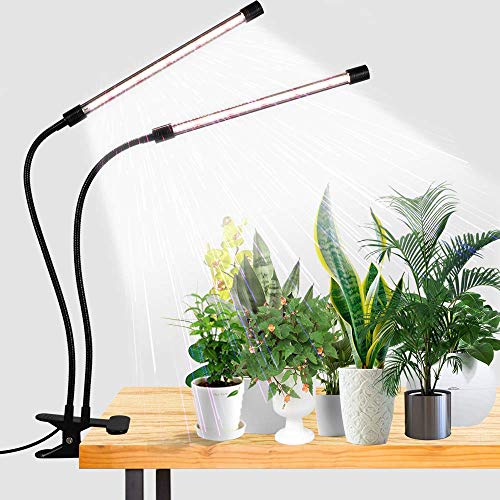
6000K White Light - equipped with 10 Red + 74 White LEDs, this growing Lamp is similar to the full-spectrum sunlight at noon,that is professionally designed for indoor garden plants.Moreover, its color rendering index is as high as 95, the light is soft and flicker-free, which is very suitable for reading lamp
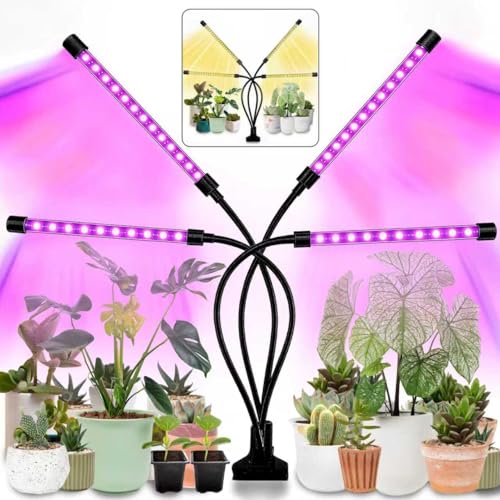
🌻Efficient LED Combination: This LED lamp has grow lights made up of 80 efficient growing LEDs ( 32 red lights, 12 blue lights,20 yellow lights and 16 white lights). It meets the conditions of plant growth without sunlight. 1--Full Spectrum(380nm-800nm): Suitable for all plants to root and sprout. 2--Red(660nm)+BLUE(460nm) Spectrum: for blooming and fruits. 3--Red+Blue+Full Spectrum: A mix of Red+Blue+Warm White is best to fuel the growth of your plants.

[Space-Saving Design]: Our 2-pack corner plant stand is perfect for small spaces, featuring 47 "tall 6 tiered plant shelves and 4 hanging hooks to maximize vertical space. This plant stand indoor can help you arrange multiple plants neatly, turning a cluttered plant arrangement into a beautiful organized display.
Seed Germination
To start growing cucamelons indoors, begin by germinating the seeds. Here’s how you can do it:
- Seed Selection: Choose high-quality cucamelon seeds from a reputable source.
- Preparation: Soak the seeds in water for about 24 hours before planting.
- Planting: Plant the seeds in small pots filled with seed-starting mix, ensuring they are covered with a thin layer of soil.
- Moisture and Warmth: Keep the soil consistently moist and provide warmth for optimal germination.
- Germination Time: Cucamelon seeds typically germinate within 7-14 days.
Planting and Initial Care
Once your cucamelon seeds have sprouted, it’s time to plant them and provide initial care:
- Container Selection: Choose deep containers with good drainage to prevent waterlogging.
- Soil Preparation: Use well-draining soil mixed with compost to provide essential nutrients for healthy growth.
- Planting Depth: Plant the seedlings at a depth of about 1 inch in the soil.
- Light Requirements: Place your cucamelon plants in a sunny location or under grow lights for at least 6-8 hours of sunlight daily.
- Temperature Control: Maintain temperatures between 70-85°F (21-29°C) during the day and slightly cooler at night.
Watering and Feeding Your Cucamelon Plants
Proper watering and feeding are crucial for the successful growth of your indoor cucamelon plants:
- Watering Frequency: Water your cucamelons when the top inch of soil feels dry, ensuring thorough but not excessive watering.
- Fertilization Schedule: Apply a balanced fertilizer every 2-3 weeks during the growing season to promote healthy fruit development.
- Nutrient Needs: Ensure your plants receive sufficient nitrogen, phosphorus, and potassium for robust growth.
Common Challenges in Growing Cucamelons Indoors
Growing cucamelons indoors can be a rewarding experience, but it also comes with its set of challenges. Here are some common issues you may encounter and how to address them effectively.
Recommended Products

Effortless Indoor Gardening for Every Home: Transform your indoor gardening experience with LetPot’s innovative smart hydroponic growing system. Perfect for busy homeowners, young families, or anyone who loves fresh herbs and veggies year-round, this easy-to-use system seamlessly integrates into your kitchen or living space. Whether it’s the chill of winter or the height of summer, LetPot ensures your plants thrive in any season.

Compact Growth: Tiny Tim tomatoes are dwarf plants, typically reaching only 12-18 inches in height, making them ideal for container gardening, small spaces, and even indoor growing.

Persian Cucumber: Authentic collectible category seeds. Premium Heirloom (USA): Non-GMO, Untreated, High germination rate. Eastern bestseller! A favorite of commercial gardening and restaurant art. Highly productive vine. Category: Gourmet Snack. The standard of taste, crunch, and sweetness among salad varieties.
Pest Management
Pests like aphids, spider mites, and whiteflies can pose a threat to your indoor cucamelon plants. To manage these pests:
- Regularly inspect your plants for any signs of infestation.
- Use natural remedies like neem oil or insecticidal soap to control pests.
- Introduce beneficial insects such as ladybugs to help keep pest populations in check.
Disease Control
Diseases such as powdery mildew and bacterial leaf spot can affect cucamelon plants. To prevent and manage diseases:
- Ensure good air circulation around your plants by spacing them adequately.
- Avoid overhead watering to reduce the risk of fungal diseases.
- Remove any infected plant parts promptly to prevent the spread of disease.
By staying vigilant and taking proactive measures, you can overcome these common challenges and enjoy a successful harvest of cucamelons grown indoors.
Harvesting and Using Cucamelons
Harvesting cucamelons at the right time ensures optimal flavor and texture for your culinary creations. Here’s how you can harvest and enjoy these delightful fruits:
When and How to Harvest
Harvest cucamelons when they’re about the size of a grape, typically 1-2 inches long. Gently twist them off the vine, being careful not to damage the plant. Regular harvesting encourages more fruit production, so pick them frequently throughout the growing season.
Conclusion
Growing cucamelons indoors can be a rewarding experience. By following the simple steps outlined in this guide, you can enjoy a bountiful harvest of these unique and flavorful fruits right in your own home. Remember to provide the proper care, from selecting the right containers to ensuring adequate light and nutrients for your plants. Overcoming challenges like pests and diseases is manageable with the right approach, allowing you to savor the delicious cucamelons you’ve nurtured. Harvesting at the ideal size guarantees maximum taste and texture for your culinary adventures. With dedication and attention to detail, you’ll soon be enjoying a continuous supply of fresh cucamelons all year round. Happy growing!
Frequently Asked Questions
Q: What are cucamelons?
A: Cucamelons are small cucumber-flavored fruits native to Mexico and Central America, resembling tiny watermelons.
Q: Can cucamelons be grown indoors?
A: Yes, cucamelons can be successfully grown indoors year-round with proper care and attention.
Q: How do I grow cucamelons indoors?
A: To grow cucamelons indoors, start by germinating seeds, selecting the right container, preparing well-draining soil, providing adequate light and temperature, watering regularly but not excessively, and ensuring proper feeding.
Q: What are common challenges in growing indoor cucamelons?
A: Common challenges include pest infestations (aphids, spider mites, whiteflies) and diseases (powdery mildew, bacterial leaf spot), which can be managed with proper care practices and timely interventions.
Q: When should I harvest cucamelons for optimal flavor?
A: Harvest cucamelons when they reach about 1-2 inches long to enjoy the best flavor and texture for culinary purposes.
