

Ever wondered how large a cucamelon plant can actually grow? Picture this: you’re tending to your garden, and these tiny watermelon-looking fruits catch your eye. But as they start to flourish, you find yourself wondering just how much space they’ll need. That’s where understanding the growth potential of a cucamelon plant becomes essential.
Key Takeaways
- Cucamelon plants typically reach a height of about 10-15 feet when fully grown and require ample space for their spreading nature.
- Understanding the growth stages, from seed germination to fruit production, can help in planning for the timeline needed to cultivate cucamelons successfully.
- Consistent watering, balanced fertilization, pruning for healthy growth, and providing support structures are essential for caring for cucamelon plants.
- Common challenges in growing cucamelons include managing pests like aphids and cucumber beetles, as well as addressing climatic sensitivities such as extreme heat or waterlogged soil.
Understanding Cucamelon Plants
If you’re curious about cucamelon plants, here’s a simple breakdown to help you comprehend these unique additions to your garden.
Recommended Products

High Germination Rate: cucamelons seeds sprout in 10-14 days at 70 °F, Full sun, Start inside 4 weeks before last frost or outdoors in warm soil. Sow 1/4" deep, space 9-12" apart – perfect climbing cucumber seeds for patio or vegetable garden.

Appearance: Cucamelons, or "Mexican sour gherkins," are tiny, grape-sized fruits that look like miniature watermelons, featuring a green skin with white stripes.

Cucamelon Appearance: Cucamelons look like miniature watermelons or tiny cucumbers, typically growing to about the size of a grape. They have a green skin with faint stripes and a small white or yellow tip at the end.
What Is a Cucamelon?
Cucamelons, also known as “Mexican sour gherkins,” are tiny fruits that resemble miniature watermelons but taste like cucumbers with a hint of tanginess. These vine-grown plants produce small grape-sized fruits that are perfect for snacking or adding a twist to salads and pickles.
Growth Conditions
To ensure your cucamelon plant thrives, provide it with full sun exposure and well-draining soil. These plants love warm temperatures and require consistent watering throughout the growing season. Additionally, trellising can help support their climbing nature and optimize space in your garden.
By understanding the basics of cucamelon plants and their growth conditions, you’ll be better equipped to cultivate these delightful additions successfully in your garden.
Characteristics of Cucamelon Growth
Cucamelon plants exhibit specific characteristics in terms of their growth, which are crucial to understand for successful cultivation. Here’s a breakdown of the key features related to the growth of cucamelon plants:
Height and Spread
Cucamelon plants typically reach a height of about 10-15 feet when fully grown. Their spreading nature requires adequate space in your garden or container. It’s essential to provide ample room for these vines to climb and spread out comfortably.
Growth Rate and Lifecycle
The growth rate of cucamelon plants is relatively fast once they establish themselves. They go through different stages in their lifecycle, starting from seed germination to flowering and fruit production. With proper care and favorable conditions, you can expect cucamelons to start bearing fruits within 60-70 days after planting.
By understanding these characteristics of cucamelon growth, you can effectively plan for the space requirements and timeline needed for cultivating these unique watermelon-like fruits in your garden.
Caring for Your Cucamelon Plant
Cucamelon plants are relatively easy to care for, but they do have specific requirements to thrive and produce abundant fruit. Here’s how you can ensure your cucamelon plant stays healthy and productive.
Recommended Products

【Versatile Support】This honeycomb plant trellis indoor is perfect for a variety of climbing plants, including vines, flowers, and vegetables. Its versatile design allows garden trellis to be used both indoors and outdoors, providing essential support for your plants to grow

GROWS WITH YOUR PLANT - Use a single board for young plants, then add extension plates as your Pothos or Monstera climbs higher. Supports your plant from sprout to maturity – no need to buy a new trellis as it grows.
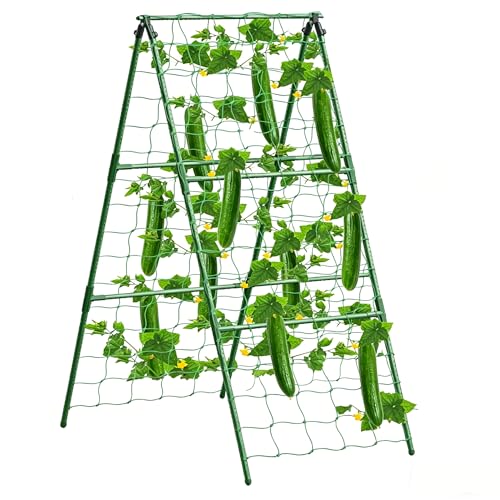
【Package included】:This Trellis for Climbing Plants Outdoor comes complete with everything you need to get started: 17pcs metal stakes, 8pcs T shape connect pipe, 2 A-shaped connectors, and a 0.9x1.8meter plant net.
Watering and Nutrient Requirements
When it comes to watering your cucamelon plant, consistency is key. Keep the soil consistently moist but not waterlogged. Aim to water the plant deeply once or twice a week, depending on the weather conditions. During hot summer months, you may need to increase watering frequency.
As for nutrients, cucamelons are light feeders compared to other plants. A balanced fertilizer applied sparingly every few weeks should be sufficient to support their growth. Avoid over-fertilizing, as this can lead to excessive foliage growth at the expense of fruit production.
Pruning and Support Structures
Pruning your cucamelon plant is essential to promote healthy growth and maximize fruit production. Regularly remove any dead or damaged vines to prevent diseases from spreading. Additionally, pruning helps improve air circulation around the plant, reducing the risk of fungal infections.
Since cucamelons are vine plants that love to climb, providing adequate support structures is crucial. Consider using trellises or fences for vertical growth or letting them sprawl along the ground if space allows. Training the vines early on will help prevent tangling and make harvesting easier later on.
Common Challenges in Growing Cucamelons
Growing cucamelons can be a rewarding experience, but it comes with its set of challenges that you should be prepared to tackle. Here are some common issues you may encounter when cultivating cucamelon plants:
Recommended Products

Graphene Seed Heat Mat for Faster Germination: Compared to traditional electric heating mats, our graphene heat mat heats up faster and more evenly, with a built-in timer for convenience. It creates the ideal environment for indoor seed starting trays, greenhouse seed germination, and hydroponic plant propagation. Designed for indoor gardening, this waterproof and reusable heat mat accelerates growth and improves seedling survival rates.

12-LED GROW LIGHT PER TRAY — Each of the five seed starting trays features a full-spectrum grow light with 12 LED beads, providing supplemental light for indoor seedlings.

Pro Grow Lights with Advanced Chips: Equipped with 56 high-efficiency beads per tray, these LED strips simulate natural sunlight for optimal seedling growth. Adjustable brightness and timer functions let you customize lighting for every plant stage, promoting faster, healthier growth—perfect for herbs, flowers, and more
Pest Management
Pests can pose a threat to your cucamelon plants, affecting their growth and fruit production. Keep an eye out for common pests such as aphids, spider mites, and cucumber beetles. To manage these pests effectively:
- Inspect your plants regularly for any signs of pest infestation.
- Introduce beneficial insects like ladybugs or lacewings to control pest populations naturally.
- Consider using organic insecticidal soaps or neem oil as eco-friendly solutions to combat pests without harming the environment.
By staying vigilant and implementing proactive pest management strategies, you can protect your cucamelon plants from potential damage caused by unwanted visitors.
Climatic Sensitivities
Cucamelon plants are sensitive to extreme weather conditions, which can impact their overall health and productivity. To address climatic sensitivities effectively:
- Provide adequate shelter or shade during periods of intense heat to prevent sunburn and dehydration.
- Ensure proper drainage to avoid waterlogged soil, which can lead to root rot during rainy seasons.
- Protect young seedlings from late frosts by covering them with row covers or cloches until the risk has passed.
Understanding the specific climatic needs of cucamelon plants and taking appropriate measures will help you create a conducive environment for their optimal growth and development.
Conclusion
You’ve now learned about the growth potential, care requirements, and challenges associated with cultivating cucamelon plants. Understanding their unique traits like height, spacing needs, and maintenance practices is key to successful growth. By providing proper support structures, regular watering, nutrient-rich soil, and addressing pest issues promptly, you can ensure healthy plant development. Remember to prune for optimal fruit production and protect your cucamelons from harsh weather conditions. With dedication and attention to detail, you’ll enjoy a bountiful harvest of these delightful mini fruits in your garden. Happy gardening!
Frequently Asked Questions
Q: What are the characteristics of cucamelon plants?
A: Cucamelon plants have a fast growth rate and produce fruits within a specific timeline. They require understanding their height, space needs, and lifecycle stages for successful cultivation.
Q: How should I care for cucamelon plants?
A: Care for cucamelon plants by providing adequate watering and nutrients, pruning for healthy growth and fruit production, and offering support structures due to their vine-like growth habit.
Q: What challenges may arise when growing cucamelons?
A: Common challenges include pest management using beneficial insects or organic solutions, addressing climatic sensitivities with shelter and proper drainage, and protecting against extreme weather conditions.
