

Are you wondering when the perfect time is to kickstart your cucamelon garden indoors? Picture this: You’re eager to grow these unique, grape-sized fruits but unsure about the ideal planting schedule. That’s where we come in! In this article, we’ll guide you on when to sow your cucamelon seeds indoors for a fruitful harvest.
Key Takeaways
- Understanding Cucamelons: Learn about the unique characteristics and taste profile of cucamelons, also known as “Mexican Sour Gherkin” or “Mouse Melon.”
- Indoor Growth Benefits: Discover the advantages of starting cucamelon seeds indoors, including extended growing seasons and better environmental control.
- Timing for Planting: Start cucamelon seeds indoors 3-4 weeks before the last expected frost date in your area to prepare them for successful transplanting.
- Regional Considerations: Consider your local climate when deciding on the ideal timing to start cucamelon seeds indoors for optimal growth.
- Preparation Steps: Select well-draining soil rich in organic matter, gather necessary supplies, and follow a step-by-step guide for successful indoor planting.
- Care Tips: Ensure consistent watering, proper feeding with balanced liquid fertilizer, adequate light exposure (6-8 hours daily), and temperature maintenance around 70°F (21°C) for thriving indoor cucamelons.
Understanding Cucamelons
Cucamelons, also known as “Mexican Sour Gherkin” or “Mouse Melon,” are tiny fruits resembling a miniature watermelon with a cucumber-like taste. These grape-sized delights offer a refreshing and tangy flavor profile, making them a unique addition to salads, pickles, or even as a snack on their own.
What Are Cucamelons?
Cucamelons are not genetically modified; they are natural fruits that have been cultivated for centuries in Mexico and Central America. Their appearance mimics that of watermelons but with a cucumber taste, creating an exciting culinary experience. These mini fruits grow on vines similar to cucumbers and require similar care.
Why Grow Cucamelons Indoors?
Growing cucamelons indoors allows you to extend the growing season beyond what is possible outdoors. By starting cucamelon seeds indoors, you can control the environment more effectively, ensuring optimal conditions for germination and early growth. Indoor cultivation also protects young plants from adverse weather conditions until they are strong enough to be transplanted outside.
Remember, understanding the characteristics of cucamelons and the benefits of indoor growth will set you on the path to successfully cultivating these charming little fruits in your own home garden.
When to Start Cucamelon Seeds Indoors
If you’re considering growing cucamelons indoors, timing is crucial for a successful harvest. Here’s what you need to know:
Best Time for Planting
Start your cucamelon seeds indoors about 3-4 weeks before the last expected frost date in your area. This allows the plants to establish themselves and be ready for transplanting outdoors once the weather warms up. Cucamelons thrive in warm temperatures, so ensure that your indoor environment provides adequate warmth and sunlight for optimal growth.
Regional Considerations
Consider your local climate when deciding when to start cucamelon seeds indoors. If you live in a region with a short growing season, starting seeds earlier can give your plants a head start and increase your chances of a bountiful harvest. On the other hand, if you reside in a warmer climate, you might have more flexibility in timing but still aim to avoid extreme temperature fluctuations that can stress the plants.
By following these guidelines on planting times and regional considerations, you’ll set yourself up for a successful cucamelon garden indoors.
Preparing to Plant Cucamelon Seeds
To ensure successful growth, follow these steps when preparing to plant cucamelon seeds indoors.
Recommended Products

Domed plant tray designed to improve germination and cloning success inside a high humidity space.

Mr. Pen seed starter tray kits come in a pack of 10, each featuring a 12-cell tray to help you grow healthy seedlings for your garden or home planting projects.

Clear Plastic Dome for Protecting New Seedlings
Choosing the Right Soil
Select a well-draining potting mix rich in organic matter for planting your cucamelon seeds. A blend of peat moss, perlite, and compost provides a suitable environment for seed germination. Avoid heavy soils that may retain excess moisture, leading to root rot.
Necessary Supplies for Starting Seeds Indoors
Gather essential supplies before starting your cucamelon seeds indoors. You’ll need seed trays or small pots with drainage holes, a spray bottle for watering, and clear plastic wrap or a humidity dome to create a greenhouse effect. Additionally, have grow lights or place your seeds near a sunny window to ensure adequate light for germination.
By choosing the right soil and having the necessary supplies ready, you’re on track to successfully plant cucamelon seeds indoors.
Step-by-Step Guide to Planting
When starting your cucamelon seeds indoors, follow these steps for successful cultivation.
Germination Process
To kickstart the germination process, place your cucamelon seeds in a warm and moist environment. You can use seed trays filled with well-draining soil to provide the ideal conditions for sprouting. Ensure that the soil is kept consistently damp but not waterlogged. By maintaining a temperature around 70°F (21°C), you’ll encourage quicker germination within 7-14 days.
Transplanting Seedlings Outdoors
Once your cucamelon seedlings have developed their second set of leaves, they are ready to be transplanted outdoors. Choose a sunny spot in your garden with fertile, loamy soil. Ensure proper spacing between plants, approximately 12 inches apart, to allow them room to grow and spread. Water the seedlings immediately after transplanting and continue to provide adequate moisture as they establish themselves in their new outdoor environment.
Care and Maintenance of Indoor Cucamelons
Caring for your indoor cucamelons is crucial for their successful growth. Here’s how you can ensure they thrive:
Recommended Products
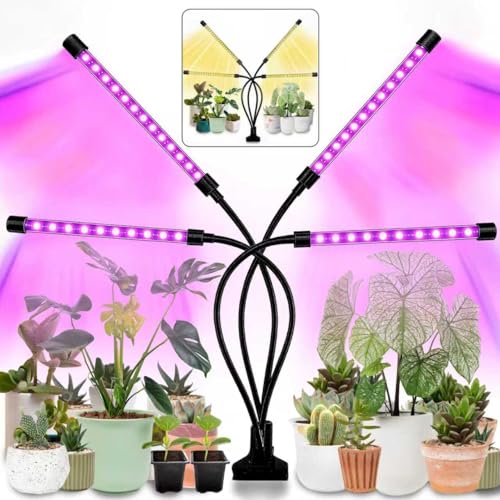
🌻Efficient LED Combination: This LED lamp has grow lights made up of 80 efficient growing LEDs ( 32 red lights, 12 blue lights,20 yellow lights and 16 white lights). It meets the conditions of plant growth without sunlight. 1--Full Spectrum(380nm-800nm): Suitable for all plants to root and sprout. 2--Red(660nm)+BLUE(460nm) Spectrum: for blooming and fruits. 3--Red+Blue+Full Spectrum: A mix of Red+Blue+Warm White is best to fuel the growth of your plants.
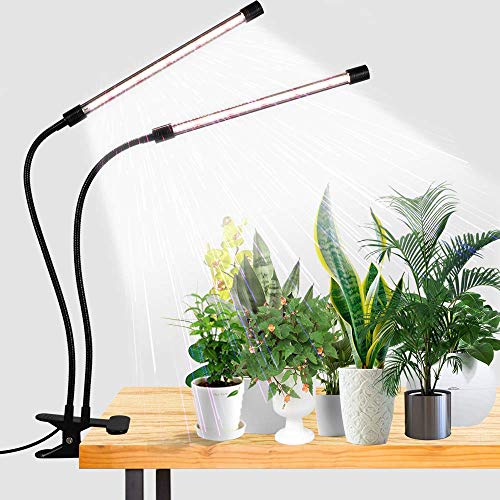
6000K White Light - equipped with 10 Red + 74 White LEDs, this growing Lamp is similar to the full-spectrum sunlight at noon,that is professionally designed for indoor garden plants.Moreover, its color rendering index is as high as 95, the light is soft and flicker-free, which is very suitable for reading lamp

6000K Daylight Full Spectrum- Packed with 40 white and 8 red LEDs, this growth light throws a crisp 6000K beam that reads like real sunshine indoors. Built for flowers, herbs, peppermint, succulents, and seed starting, and flexible enough for hanging baskets, trellises, floor pots, and bonsai alike.
Watering and Feeding
When it comes to watering your indoor cucamelons, remember that consistency is key. Keep the soil consistently moist but not waterlogged. Ensure proper drainage to prevent root rot. A good practice is to water when the top inch of soil feels dry to the touch.
Feeding your cucamelon plants is essential for their nutrition. Use a balanced liquid fertilizer diluted to half strength every two weeks during the growing season. This will provide them with the necessary nutrients for healthy development.
Managing Light and Temperature
Light plays a vital role in the growth of cucamelons. Place your plants in a sunny spot where they can receive at least 6-8 hours of sunlight daily. If natural light is insufficient, consider supplementing with grow lights to ensure optimal growth.
Maintaining the right temperature is also critical for indoor cucamelons. Aim to keep the temperature around 70°F (21°C) during the day and slightly cooler at night. Avoid exposing them to drastic temperature fluctuations that can stress the plants.
By following these care tips, you’ll help your indoor cucamelons thrive and yield a bountiful harvest when it’s time to transplant them outdoors.
Conclusion
Starting cucamelon seeds indoors is a rewarding endeavor that allows you to extend the growing season and ensure optimal conditions for your plants. By understanding the ideal timing, uncertainties, and care requirements outlined in this guide, you are well-equipped to embark on your indoor cucamelon cultivation journey. Remember to provide consistent watering, proper drainage, balanced fertilization, adequate sunlight exposure, and maintain a temperature around 70°F (21°C) for your indoor cucamelons to flourish. With these essential tips in mind, you can look forward to a bountiful harvest of these unique grape-sized fruits with a delightful cucumber-like flavor. Happy planting!
Frequently Asked Questions
Q: What are cucamelons, and why are they popular for indoor gardening?
A: Cucamelons, also known as “Mexican Sour Gherkin” or “Mouse Melon,” are grape-sized fruits with a cucumber-like taste. They are popular for indoor gardening due to their compact size and ability to extend the growing season.
Q: When is the ideal time to start planting cucamelon seeds indoors?
A: The ideal time to plant cucamelon seeds indoors is 6-8 weeks before the last frost date in your area. This allows the plants to establish well before outdoor transplanting.
Q: How should I care for indoor cucamelons regarding watering and feeding?
A: Indoor cucamelons should be watered consistently, ensuring proper drainage to prevent waterlogging. Feed them with a balanced fertilizer every 2-3 weeks during the growing season.
Q: What light conditions do cucamelons require for optimal growth indoors?
A: Cucamelons require at least 6-8 hours of direct sunlight daily when grown indoors. Place them near a south-facing window or use grow lights if natural light is insufficient.
Q: What temperature range is suitable for growing indoor cucamelons?
A: Maintain a temperature around 70°F (21°C) for indoor cucamelons. Avoid extreme temperature fluctuations that can stress the plants and affect their growth.
Q: How can I ensure successful transplantation of indoor-grown cucamelon plants outdoors?
A: Harden off indoor-grown cucamelon plants gradually by exposing them to outdoor conditions over 7-10 days before transplanting. Choose a sunny location with well-draining soil for optimal growth.
