

Mango trees can thrive in pots in North Dakota with proper cold protection strategies. To ensure healthy growth, use insulated pots and create a microclimate to shield the trees from extreme cold temperatures.
Choose the Right Pot for Mango Trees
Selecting the appropriate pot is crucial for successful mango tree cultivation in cold climates. A large, insulated pot retains heat better and protects the roots from freezing. Consider pots made from materials such as fiberglass or ceramic that offer insulation benefits. Ensure the pot has adequate drainage to prevent root rot.
| Pot Material | Insulation Level | Drainage Capability | Weight |
|---|---|---|---|
| Fiberglass | High | Excellent | Moderate |
| Ceramic | Moderate | Good | Heavy |
| Plastic | Low | Fair | Light |
Recommended Products

Durable Planters: Plant pots made from thick, sturdy plastic with reinforced edges and bottoms for long-lasting use. Lightweight, odorless, and will never warp or break. There are 5 pieces of plastic plant flower planters along with 5 pieces of trays, which not only extends versatility in the planting options but also saves you the hassle of multiple purchases and enhances your gardening experience

【Convenience】Self watering flower pots are a boon for busy individuals and forgetful gardeners. With a built-in reservoir, the plant pots ensure that plants receive the right amount of water they need to grow. This innovative design simplifies plant care, making gardening more accessible and enjoyable for everyone.

Durable Concrete Construction: Designed for long-lasting use in both indoor and outdoor environments, these planters are made from robust, weather-resistant concrete.
Microclimate Strategies for Mango Tree Survival
Establishing a microclimate around your mango tree can significantly enhance its chances of survival during harsh winters. Position the pot in a sheltered area, such as near a south-facing wall, to absorb sunlight and provide warmth. Use frost cloths or blankets to cover the tree during extreme cold spells.
Creating a Sunny Microclimate for Mango Trees
Creating a sunny microclimate for mango trees is essential for their survival in North Dakota’s extreme cold. By strategically positioning these potted trees and utilizing various techniques, gardeners can enhance warmth and light exposure. This section explores practical methods to foster an ideal environment for mango trees, ensuring they thrive despite challenging weather conditions.
Select a sunny location that receives at least six hours of sunlight daily.
Place the pot against a heat-retaining surface, like a brick wall.
Use frost cloths to cover the tree when temperatures drop below freezing.
Add mulch around the base of the pot to retain moisture and insulate roots.
Cold Weather Watering Strategies for Mango Trees
Mango trees thrive in warm climates, but growing them in North Dakota presents unique challenges, especially during extreme cold. Proper watering strategies are essential to protect these tropical plants from freezing temperatures, ensuring they remain healthy and viable. This section explores effective watering techniques tailored for mango trees in colder environments.
Proper watering is essential for mango trees, especially in cold conditions. Overwatering can lead to root rot, while underwatering can stress the tree. Monitor the soil moisture level and adjust your watering schedule accordingly.
Recommended Products
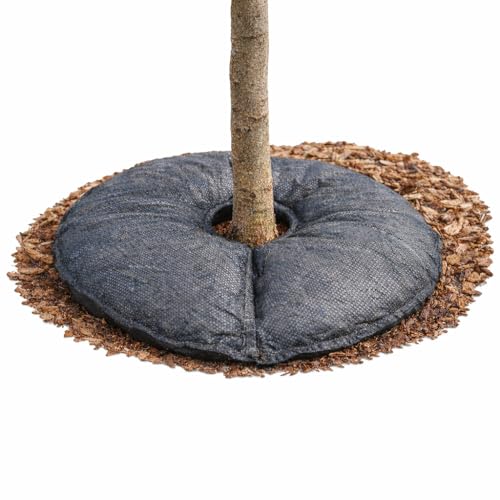
For Plants and Trees that with root balls about 12” in dia., (11-15”, e.g. 3-10 Gallon Container Sizes have top diameters between 11-15”) - Uses 99% LESS WATER than traditional tree bag over the course of multiple seasons for better establishment of the newly planted trees and shrubs! When the plant root ball is larger than 15”, the 36”, 48”, or multiple units of these larger sized SteadySpring Tree Mats are recommended to cover an area double of the root ball size or at least 20” larger than the root ball.

Make Watering Easy - No more bending over to water your Christmas tree! The long funnel for Christmas tree keeps your tree healthy and vibrant, preventing it from wilting and turning yellow. It also helps prevent water from splashing out and wetting the floor.
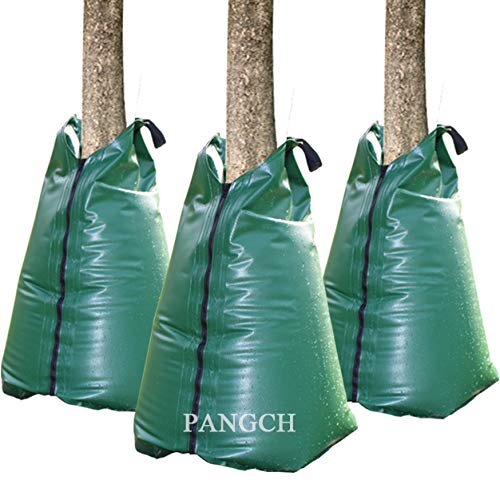
DEEP WATER SATURATION IS KEY - PANGCH tree watering bags deliver water deep below the soil surface, encouraging strong root growth, helping to reduce the effects of transplant & drought shock.Compared to conventional methods, tree watering bag can greatly reduce your watering frequency and save money by eliminating tree replacement and reducing labor costs.
Fall Watering Guidelines for Potted Mango Trees
As temperatures begin to drop in North Dakota, proper fall watering becomes crucial for the health of potted mango trees. Understanding how to adjust your watering routine during this transitional season will help ensure that your trees remain hydrated while also preparing them for the challenges of extreme cold. This section outlines essential guidelines to keep your mango trees thriving.
Fall: Water every 2-3 weeks, allowing the top inch of soil to dry out.
Winter: Water once a month, ensuring the soil remains slightly moist but not soggy.
Spring: Increase frequency to every 1-2 weeks as temperatures rise.
Fertilization Strategies for Potted Mango Trees
Potted mango trees require careful attention to fertilization, especially in the challenging climate of North Dakota. Proper nutrient management is essential for promoting healthy growth and fruit production, particularly when these trees are exposed to extreme cold. Understanding the right fertilization strategies can significantly enhance the resilience and vitality of mango trees in containers.
Fertilization plays a vital role in the health of mango trees, particularly when grown in pots. Use a balanced, slow-release fertilizer to provide essential nutrients. Apply fertilizer during the growing season to promote robust growth.
Fertilizer Selection for Potted Mango Trees
Choosing the right fertilizer for potted mango trees in North Dakota is crucial for their growth and fruit production, especially in a challenging climate. With extreme cold posing unique challenges, understanding nutrient requirements and suitable fertilizer types can significantly enhance the health and resilience of these tropical plants. This section explores effective fertilizer options tailored for potted mango trees in colder regions.
Choose a slow-release fertilizer with a balanced N-P-K ratio.
Apply according to package instructions, typically every 4-6 weeks during the growing season.
Water thoroughly after application to help nutrients penetrate the soil.
Pruning Techniques for Cold-Resistant Mango Trees
Pruning is essential for maintaining the health and vigor of cold-resistant mango trees, especially when grown in pots in North Dakota’s extreme climate. Proper techniques can enhance airflow, promote fruit production, and help the tree withstand harsh winter conditions. This section outlines effective pruning methods tailored to ensure your mango tree thrives despite the challenges of cold weather.
Regular pruning helps maintain the shape and health of mango trees. It encourages better air circulation and sunlight penetration, which are vital for growth. Focus on removing dead or damaged branches to improve resilience against cold.
Pruning Strategies for Potted Mango Trees
Pruning is essential for maintaining the health and productivity of potted mango trees, especially in North Dakota’s challenging climate. Proper techniques can help shape the tree, promote better airflow, and encourage fruit production while minimizing damage from extreme cold. Understanding the right timing and methods for pruning will ensure your mango tree thrives despite the harsh conditions.
Use sharp, clean tools to prevent disease transmission.
Remove any dead or diseased branches to promote healthy growth.
Trim back excessive growth to maintain a manageable size.
Pest and Disease Monitoring Strategies
Successfully growing mango trees in pots in North Dakota requires vigilant pest and disease monitoring strategies. Given the unique challenges posed by the extreme cold, it’s essential to implement effective methods for identifying and managing potential threats to ensure the health and productivity of these tropical plants. This section outlines key approaches to safeguard your mango trees from pests and diseases.
Keeping an eye out for pests and diseases is essential for the health of your mango tree. Cold weather can stress the tree, making it more susceptible to infestations. Regular inspections can help catch issues early.
Pests Affecting Potted Mango Trees
Potted mango trees can face various pest challenges, particularly in the unique climate of North Dakota. Understanding these pests is crucial for maintaining the health and vitality of your trees, especially when they are exposed to the stress of extreme cold conditions. This section explores the common pests that may affect your potted mango trees and how to manage them effectively.
Spider mites: Look for webbing on leaves.
Aphids: Check for sticky residue on leaves.
Scale insects: Inspect for small, raised bumps on stems.
Mango Tree Cold Protection Strategies
Mango trees, typically suited for warmer climates, can thrive in North Dakota with the right cold protection strategies. Understanding how to shield these tropical plants from extreme cold is essential for successful growth and fruit production. This section explores effective methods to safeguard mango trees during harsh winter conditions, ensuring their vitality and resilience.
Extreme cold can severely damage mango trees if not adequately protected. Always stay vigilant and take necessary precautions to ensure the tree’s survival. Use multiple strategies for the best results.
Recommended Products

[Extra Large] Each plastic plant cover measures 70.8" x 82.7" and is suitable for various large plants outdoors, such as large shrubs, mango trees, lemons trees, palm trees, and other fruit trees. 2 pieces come in a set, which can meet the needs of large plants.

The Large plant cover is perfect for Plant size 55''-70"high and 84''-94" round, Heavy-weight FRCs (1.77oz./sq. yard): usually used to extend the growing season in spring and fall, allow 40%-60% light transmittance, and recommend 3°-8°F of freeze protection

PACKAGE: The package includes 4Pcs plant covers,will meet your daily use or replacement. Measuring 31.5" x 47.3", the plant protector is waterproof, windproof.
Mango Tree Cold Protection Guidelines
Mango trees can thrive in pots even in the challenging climate of North Dakota, but they require special care to survive extreme cold. Understanding effective cold protection methods is essential for ensuring these tropical plants remain healthy and productive. The following guidelines will help you safeguard your mango tree against harsh winter conditions.
Never leave mango trees exposed to temperatures below 30°F without protection.
