

Have you ever wondered how much water your new fruit trees really need? It’s a common concern for many gardeners. Overwatering can drown roots while underwatering can stunt growth. Striking that perfect balance is key to helping your trees thrive.
Imagine planting a beautiful orchard only to see your young trees struggle. You want them to flourish and produce delicious fruit, but figuring out their watering needs can feel overwhelming. This article will guide you through the essentials of watering new fruit trees, ensuring they get just the right amount of moisture. With a few simple tips, you’ll set your trees up for success and enjoy the fruits of your labor in no time.
Key Takeaways
- Importance of Proper Watering: Adequate moisture is essential for root development, nutrient uptake, and reducing stress in new fruit trees to promote overall health and fruit production.
- Watering Frequency and Amount: Water young trees every 3-7 days, delivering 10-20 gallons in the first year and increasing to 20-30 gallons in the second year to encourage deep root growth.
- Soil and Weather Considerations: Tailor watering based on soil type (sandy vs. clay) and local weather conditions, adjusting frequency during hot or dry spells.
- Signs of Water Imbalance: Monitor for indicators of overwatering (yellowing leaves, mold) and underwatering (crispy leaves, stunted growth) to maintain a healthy balance.
- Effective Watering Techniques: Use soaker hoses or drip irrigation, mulch around the base of trees to retain moisture, and regularly check soil moisture to optimize watering practices.
- Tailoring Care to Tree Age: Younger trees need more frequent watering due to smaller root systems; adjust watering practices based on the age and size of the trees for optimal growth.
Importance Of Proper Watering
Proper watering is crucial for the health and growth of new fruit trees. It shapes the development of roots, aids nutrient absorption, and enhances overall tree vitality. Understanding the significance of adequate moisture helps prevent common issues related to growth and fruit production.
Root Development
Strong roots form the foundation of a robust tree. Water encourages root expansion, allowing trees to anchor themselves in the soil. Roots absorb water and nutrients, fostering healthy leaf and fruit development.
Nutrient Uptake
Water aids your trees in taking up essential nutrients from the soil. Without sufficient moisture, nutrients become inaccessible, hindering a tree’s growth and fruit yield. When soil is too dry, trees exhibit signs of nutrient deficiency, like wilting leaves or stunted growth.
Stress Reduction
Healthy watering practices alleviate stress for young trees. When trees suffer from stress due to improper watering, they become susceptible to diseases and pests. Consistent moisture levels promote resilience, allowing your trees to thrive despite challenging environmental conditions.
Timing
Timing your watering matters greatly. Young trees require more water during their establishment phase, particularly in the first two years. Early morning is the ideal time for watering, as it reduces evaporation and allows moisture to penetrate the soil effectively.
Watering Techniques
Employ effective watering techniques to ensure your trees receive the right amount of moisture:
- Soak Thoroughly: Water deeply but infrequently to encourage deeper root growth.
- Use Mulch: Apply a layer of organic mulch around the base to retain soil moisture.
- Check Soil Moisture: Test soil moisture by sticking your finger two inches into the soil; if it feels dry, it’s time to water.
By prioritizing proper watering, you set a solid foundation for your new fruit trees, paving the way for a fruitful harvest.
Factors Affecting Water Needs
Several factors determine the water needs of new fruit trees. Understanding these variables helps you tailor your watering routine effectively.
Tree Age and Size
Younger trees require more frequent watering due to their smaller root systems. In the first two years, give these trees about 10-20 gallons of water per week, depending on their size. Larger trees, however, can need up to 30 gallons or more weekly as they establish deeper roots. As your trees mature, adjust the watering based on their growth and changing needs.
Soil Type and Drainage
Soil plays a crucial role in how much water new fruit trees need. Sandy soils drain quickly but require more frequent watering, while clay soils retain water and slow down drainage. For example, in sandy soils, water trees twice a week, while in clay soils, once a week may suffice. Always ensure soil has good drainage; standing water around the roots can lead to root rot.
Climate and Weather Conditions
Weather significantly influences water needs. In hot, dry climates, trees need more water, especially during summer months. Conversely, in cooler, wetter conditions, reduce your watering. If temperatures exceed 85°F, increase watering frequency, as trees may lose moisture faster. Rainfall also affects soil moisture; check soil regularly after rainfall to avoid overwatering.
Guidelines For Watering New Fruit Trees
Understanding how to water new fruit trees is essential for their healthy growth. Proper hydration sets the stage for successful root development and overall vitality.
Recommended Products
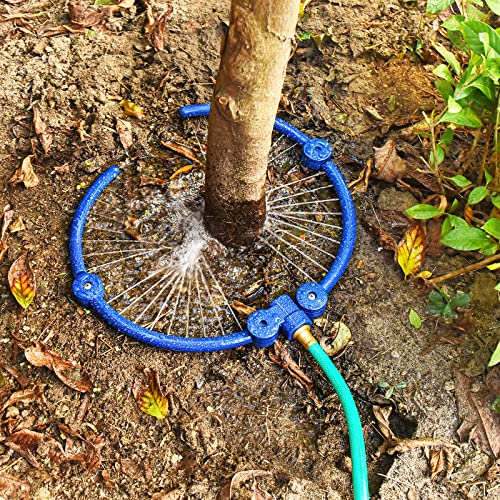
【Specially Designed for Trees and Shrubs】 The Watering Ring is a multi-purpose irrigation ring that attaches to a garden hose to efficiently water young trees shrubs vegetables or flower beds using drip or trickle irrigation.It directs water to the root perimeter of the plant to give them a good start during the first two growing seasons or through periods of drought.

Set includes: 2 pieces of tree watering rings, 2 plastic valves, and 1 Y Hose Splitter, providing ample quantity for your garden watering needs. You can also share them with fellow gardening enthusiasts

🔸 [20-Gallon Deep Hydration – Nurtures Trees at the Root]:Each bag delivers a slow, steady drip—up to 8 hours of deep watering—ensuring optimal root absorption without runoff or evaporation. Perfect for newly planted trees, fruit trees, or sensitive saplings.
Frequency of Watering
Water new fruit trees frequently during their first two years, as this period is crucial for establishing strong root systems. Aim for watering sessions every 3-7 days. During especially hot or dry spells, increase the frequency to ensure trees receive adequate moisture. Monitor your trees closely; if leaves droop or soil feels dry several inches down, it’s time to water. Adjusting your routine based on weather conditions helps meet the trees’ evolving needs.
Amount of Water Per Session
Delivering the right amount of water per session plays a vital role in progress. For young trees, provide about 10-20 gallons each week in the first year. In the second year, increase to 20-30 gallons weekly as trees grow. Soak the soil thoroughly during each watering session, ensuring moisture penetrates several inches deep to encourage deep root growth. Using a soaker hose or drip irrigation can help efficiently administer this amount without wasting water. Always check the soil moisture before watering to avoid over-saturation.
Signs Of Overwatering and Underwatering
Understanding the signs of overwatering and underwatering helps you maintain the right balance for your new fruit trees. Awareness of these symptoms allows for timely interventions and healthier trees.
Recommended Products

Accurate Soil Moisture Detection: The XLUX Soil Moisture Meter can tell you if the soil deep inside your pot or garden is dry, moist or wet; whereas your eyes and fingers can only determine the moisture level of the soil surface. The probe is 5.5 inches (14 cm) longer than regular styles, allowing it to measure the soil moisture at the bottom of larger and deeper flower pots.

Accurate Soil Moisture Detection: The XLUX Soil Moisture Meter can tell you if the soil deep inside your pot or garden is dry, moist or wet; whereas your eyes and fingers can only determine the moisture level of the soil surface. The probe is 5.5 inches (14 cm) longer than regular styles, allowing it to measure the soil moisture at the bottom of larger and deeper flower pots.

✔️Accurate - A helpful tool of water meter for indoor plants which senses the moisture in the soil around plants. No more guess if the plant needs more or less water
Symptoms of Overwatering
- Yellowing Leaves: Leaves may turn yellow, starting from the lower branches and moving upward. This indicates poor root oxygenation and possible root rot.
- Wilting Despite Moist Soil: Trees can appear wilted even when the soil is wet. This shows that roots are damaged and unable to absorb water properly.
- Mold or Algae: Presence of mold or algae on the soil surface suggests excessive moisture. These organisms thrive in overly damp conditions.
- Soft, Mushy Bark: Bark that feels soft or squishy may signal root problems. This often results from prolonged saturation affecting the tree’s health.
- Foul Odor: If you notice a rotten smell near the base of the tree, it indicates decaying roots due to excessive water.
- Crispy, Brown Leaves: Leaves that turn brown and become crispy around the edges indicate insufficient moisture. This symptom usually starts from the tips of the leaves.
- Leaf Drop: Trees losing leaves prematurely signifies stress from lack of water. This can happen even during the growing season if water supply is inadequate.
- Dry, Cracked Soil: Soil pulling away from the sides of the planting hole indicates it’s too dry. Check for cracks, which point to a lack of moisture.
- Stunted Growth: Sluggish growth or failure to produce new leaves shows that the tree is struggling. Insufficient water hinders nutrient uptake and overall development.
- Wilting: Wilting occurs when trees lack moisture. Leaves may droop, and branches may appear lifeless, signaling an urgent need for water.
Monitoring these signs allows you to adjust your watering routine effectively, ensuring your new fruit trees thrive and grow strong.
Best Practices For Watering
Watering Schedule
Water young fruit trees every 3-7 days, especially during their first two years. Adjust this schedule based on rainfall and humidity levels. If it’s particularly hot or dry, you may need to water more frequently.
Water Volume
Provide about 10-20 gallons of water weekly during the first year. Increase to 20-30 gallons per week in the second year. Deep watering encourages strong root development. Watering deeply ensures the moisture penetrates the soil to reach the roots.
Soil Moisture Check
Check soil moisture regularly. Insert your finger into the soil about 2 inches deep. If it’s dry, it’s time to water. If it’s still moist, hold off for a day or two.
Watering Method
Use a soaker hose or drip irrigation system for efficient watering. These methods deliver water directly to the roots, reducing waste and minimizing the risk of fungal diseases. Avoid watering the leaves, as wet foliage can lead to issues.
Mulching
Apply a layer of mulch around the base of the tree. Mulch retains soil moisture, regulates temperature, and suppresses weeds. Aim for a 2-4 inch layer of organic mulch, such as wood chips or straw, without touching the trunk.
Signs of Health
Monitor your trees for signs of health. Healthy leaves should appear green and vibrant. If the leaves start yellowing or dropping, assess your watering routine. This can signal both overwatering and underwatering.
Adjusting for Soil Type
Adjust your watering based on soil characteristics. Sandy soils drain quickly, requiring more frequent watering. Clay soils retain moisture longer, needing less frequent watering.
Consider Local Conditions
Be aware of local climate conditions. In areas with high temperatures or strong winds, trees often require more water. Conversely, cooler, wetter climates allow for reduced watering.
By following these best practices, your new fruit trees can thrive, setting the stage for healthy growth and fruitful harvests.
Recommended Products

GENTLE WATERING: Disperses water into a soft, even flow to protect delicate plants, seedlings, and soil from erosion and washout
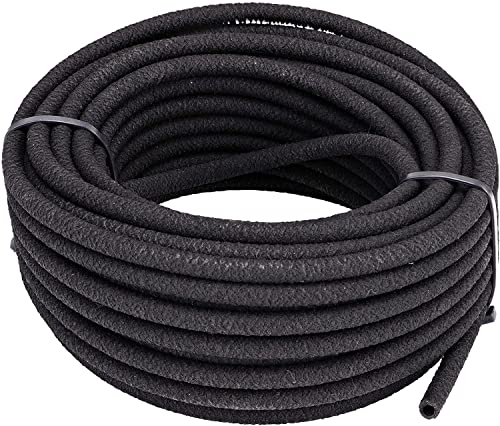
Slowly waters the soil around your plants for complete root zone hydration; Ideal for short runs on flat surfaces, such as vegetable gardens, borders, and around small plants

【Even & Consistent Root Watering】Features micro-pore seepage technology that distributes water evenly along the entire hose, transforming spot watering into uniform line watering directly to plant roots. Unlike traditional drip irrigation systems with clog-prone emitters, this soaker hose creates a continuous moisture band for healthier, deeper-rooted plants
Conclusion
Getting the watering right for your new fruit trees is key to their success. By understanding their specific needs and adjusting your approach based on factors like soil type and weather, you’ll help them thrive.
Pay attention to the signs of overwatering and underwatering to fine-tune your routine. With consistent care and the right techniques, you’ll set your trees up for a strong start.
As they grow and mature, you’ll be rewarded with healthy trees and delicious fruit. Happy gardening and enjoy watching your trees flourish!
Frequently Asked Questions
How much water do new fruit trees need?
New fruit trees typically require about 10-20 gallons of water per week during their first year. In the second year, this may increase to 20-30 gallons. Watering frequency should be every 3-7 days, adjusting based on rainfall and humidity levels.
When should I water my new fruit trees?
It’s best to water new fruit trees in the early morning. This timing minimizes evaporation and allows the trees to absorb moisture efficiently throughout the day.
How can I tell if my fruit tree is overwatered?
Signs of overwatering include yellowing leaves, wilting despite moist soil, mold on the soil surface, and soft or mushy bark. If you notice these symptoms, it’s crucial to adjust your watering schedule.
What are the signs of underwatering in fruit trees?
Underwatered trees exhibit crispy, brown leaves, dry leaf drop, cracked soil, and stunted growth. If you see these signs, increase your watering frequency to support the tree’s health.
What watering methods are effective for fruit trees?
Effective watering techniques include using a soaker hose or drip irrigation to ensure deep watering without over-saturation. Mulch can also help retain moisture by regulating soil temperature.
Why is deep watering important for fruit trees?
Deep watering encourages strong root development by allowing moisture to reach deeper soil layers. This helps establish a robust root system, essential for the overall health of the tree.
How does soil type affect the watering needs of fruit trees?
Soil type influences how often you should water. Sandy soils drain quickly, requiring more frequent watering, while clay soils hold moisture longer, allowing for less frequent irrigation.
What factors should I consider when watering my new fruit trees?
Consider factors such as the tree’s age and size, soil type and drainage, and local climate conditions. Adapt your watering routine based on these aspects for optimal tree health.
