

Have you ever wondered where your favorite fruits come from? Picture this: you’re enjoying a juicy peach or a handful of blueberries, but do you know if they grow on trees or bushes? Understanding the origins of these delicious treats can make your next grocery trip even more enjoyable.
Key Takeaways
- Categories of Fruiting Plants: Fruits are categorized into two main types: those that grow on trees (like apples, peaches, and oranges) and those that grow on bushes (like blueberries, raspberries, and currants).
- Key Tree Fruits: Obtain diverse flavors and nutrients from tree fruits, which include stone fruits (peaches, cherries), citrus (oranges, lemons), and pomes (apples, pears), each requiring specific climate and care.
- Essential Bush Fruits: Bushes yield accessible fruits like berries (strawberries, blackberries, blueberries) and currants (red, black, white), all of which are relatively easy to cultivate.
- Growth Factors: Successful fruit growth hinges on understanding climate, soil conditions, sunlight, and pH levels tailored to specific fruit varieties.
- Care and Maintenance: Regular watering, proper fertilization, pruning, pest control, and mulching are vital for maximizing fruit yield and maintaining plant health.
- Gardening Insights: Familiarity with the origins of fruits aids in enhancing your gardening efforts and grocery shopping experiences, leading to a broader appreciation for fresh produce.
Overview of Fruiting Plants
Fruiting plants fall into two main categories: trees and bushes. Understanding these classifications helps you identify where your favorite fruits grow.
Trees That Produce Fruit
- Apple Trees: You can find apple trees in many orchards. They produce a variety of apple types, like Fuji and Granny Smith.
- Peach Trees: Peach trees thrive in warmer climates. They yield sweet, juicy peaches perfect for snacks or desserts.
- Orange Trees: Orange trees, commonly found in subtropical regions, produce round, tangy oranges packed with vitamin C.
Bushes That Produce Fruit
- Blueberry Bushes: Blueberry bushes are popular in home gardens. They produce small, sweet berries that are great for baking or eating fresh.
- Raspberry Bushes: Raspberry bushes yield red or black berries. They require sunlight and well-drained soil for optimal growth.
- Gooseberry Bushes: Gooseberry bushes bear tart, green or purple berries. These fruits thrive in cooler climates and are perfect for jams or pies.
- Space Requirements: Trees often need more space than bushes. Make sure you’ve got enough room for roots and branches.
- Soil Type: Check your soil condition before planting. Fruiting plants prefer well-drained, nutrient-rich soil.
- Climate Needs: Understand your region’s climate. Some fruits thrive in warm weather while others prefer cooler temperatures.
Identifying whether fruits grow on trees or bushes can enhance your gardening or shopping experience. Knowing these details offers a better appreciation for the fruits you enjoy daily.
Common Fruits That Grow on Trees
Many common fruits grow on trees, providing a wide variety of flavors and nutrients. Understanding these fruits can enhance your gardening and grocery shopping experiences.
Recommended Products

BONSAI FRUITS: Its fun to grow your own bonsai, start will a well rooted 1 year old seedling.

Non-GMO Seeds: These nectarine tree seeds are completely natural and non-genetically modified, ensuring you grow authentic, wholesome fruit trees that produce delicious nectarines with traditional flavor and nutritional value for your family to enjoy

Grow your own Italian Stone Pine (Pinus pinea), a gorgeous, umbrella-shaped pine tree from the Mediterranean!
Stone Fruits
Stone fruits, known for their large pits, include peaches, cherries, and plums. These fruits flourish in warm climates and require full sun for optimal growth. You can enjoy fresh stone fruits in desserts, jams, or simply as a snack. For a fruitful harvest, prune the trees annually to encourage better air circulation and sunlight penetration.
Citrus Fruits
Citrus fruits like oranges, lemons, and limes thrive in sunny, warm environments. Planting citrus trees indoors or in pots proves effective in cooler climates. Citrus fruits contain high levels of vitamin C, making them a nutritious choice for juices and culinary dishes. Water these trees deeply but infrequently to promote strong root growth.
Pomes
Pomes, such as apples and pears, feature a core filled with seeds. These fruits grow well in temperate climates and require a period of chilling to fruit effectively. With countless varieties available, you can find options that suit your taste, from crisp and tart to sweet and juicy. Ensure proper spacing when planting to prevent overcrowding, which can lead to disease.
Common Fruits That Grow on Bushes
Bushes produce a variety of delicious fruits. These fruits are often easy to grow and care for, making them accessible for gardeners of all experience levels.
Recommended Products
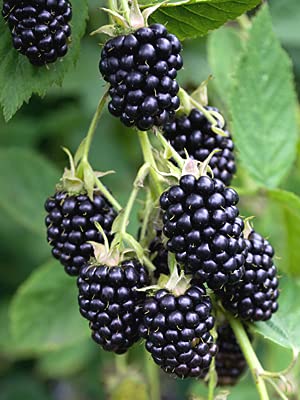
Includes four (4) "Natchez" Blackberry Plants with USPS Shipping. These are 2 inch rooted plants shipped in 2 inch tray pots and are 3-6 inches tall.


Berry Mix is a natural organic blended plant food for strawberries, raspberries and blueberries
Berries
Berries thrive on bushes and include varieties like strawberries, blackberries, and blueberries. Each type offers unique flavors and uses.
- Strawberries: These sweet fruits grow well in well-drained, sunny spots. They prefer slightly acidic soil and require regular watering, especially during fruiting.
- Blackberries: These juicy fruits can spread vigorously. Pruning helps manage their growth. They enjoy full sun and well-drained soil, thriving in many regions.
- Blueberries: These fruits need acidic soil and consistent moisture. You might consider planting multiple varieties for better pollination and yield.
Currants
Currants come in different colors like red, black, and white. They require part shade and rich, moist soil for optimal growth.
- Red Currants: These tart fruits are great for jams and jellies. They grow best in cooler climates and need protection from intense sunlight.
- Black Currants: Known for their strong flavor, these fruits also prefer cooler temperatures and benefit from full sun during the growing season.
- White Currants: These milder, less tart varieties make excellent additions to desserts. They thrive in similar conditions to red currants.
Grapes
Grapes grow on woody vines but can also be found on certain bushes in some varieties. They prefer sunny locations and well-drained soil for optimal growth.
- Table Grapes: These sweet varieties are often eaten fresh. They need ample sunlight and should be spaced adequately for air circulation.
- Wine Grapes: These grapes are typically grown for winemaking. They thrive in sunny, warm areas and often have specific soil requirements depending on the variety.
- Concord Grapes: These purple fruits are well-known for their strong flavor and are commonly used for juice and jelly. They require consistent care to prevent disease.
By understanding the specific requirements of each bush fruit, you can cultivate a vibrant garden that yields delicious produce.
Factors Affecting Fruit Growth
Fruit growth relies heavily on specific conditions. Understanding these factors helps you grow healthier fruits whether on trees or bushes.
Recommended Products
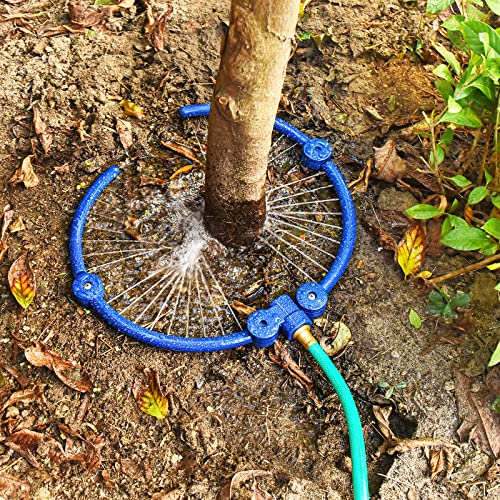
【Specially Designed for Trees and Shrubs】 The Watering Ring is a multi-purpose irrigation ring that attaches to a garden hose to efficiently water young trees shrubs vegetables or flower beds using drip or trickle irrigation.It directs water to the root perimeter of the plant to give them a good start during the first two growing seasons or through periods of drought.

【Upgraded Tube Design & Water Saving】 Our adjustable garden watering system is upgraded to 1/2” diameter to support high water pressure. The 1/2” tee connector in the package so you can easily set up 2 drip irrigation systems as needed. Garden watering systems minimize stage water loss by recharging water directly to plant roots. While traditional irrigation often results in wasted water, this drip irrigation system saves up to 70% of water, no need for manual watering, saves water.

Climate and Soil Conditions
Climate and soil conditions significantly influence fruit growth. Each fruit type has unique requirements:
- Temperature: Warm climates suit stone fruits like peaches and cherries. Citrus fruits thrive in mild winters and hot summers. Cool climates benefit berries like blueberries.
- Sunlight: Full sun is essential for most fruiting plants. Aim for at least six hours of direct sunlight daily.
- Soil Type: Well-drained soil with good nutrients is crucial. Most fruit trees prefer sandy loam, while bushes can handle a wider range of soil types.
- pH Levels: Most fruits grow best in slightly acidic to neutral soil (pH 6.0 to 7.0). Testing your soil can provide insights on necessary amendments.
Care and Maintenance
Proper care and maintenance directly affect fruit yield. Implement these steps for optimal growth:
- Watering: Consistent watering, especially during dry spells, ensures healthy fruit development. Drip irrigation systems work well for deep watering.
- Fertilization: Use balanced fertilizers during the growing season. Apply them according to each fruit plant’s specific needs.
- Pruning: Regular pruning encourages air circulation and sunlight penetration. This practice also removes dead or diseased branches, improving overall health.
- Pest Control: Monitor for pests and diseases regularly. Organic treatments like neem oil can help manage infestations without harming your plants.
- Mulching: Apply mulch around the base to retain moisture and suppress weeds. Organic mulch also enriches soil as it decomposes.
By understanding climate, soil conditions, and maintenance techniques, you can cultivate thriving fruit trees and bushes.
Conclusion
Knowing where your favorite fruits come from can really change the way you shop and garden. Whether you’re drawn to the luscious fruits hanging from trees or the delightful berries nestled in bushes there’s so much to explore.
By understanding the specific needs of each plant you can create a thriving garden that not only beautifies your space but also provides delicious rewards. So next time you bite into a juicy peach or pop a blueberry in your mouth take a moment to appreciate the journey it took to get there. Happy gardening and fruit shopping!
Frequently Asked Questions
Where do peaches and blueberries come from?
Peaches grow on trees, while blueberries grow on bushes. Knowing the origins of these fruits can help improve your grocery shopping experience by understanding where they thrive.
What types of fruits grow on trees?
Common fruits that grow on trees include apples, peaches, oranges, and cherries. These fruits typically require full sun and specific climate conditions for optimal growth.
Which fruits grow on bushes?
Fruits that grow on bushes include blueberries, raspberries, strawberries, and currants. These berries are usually easier to grow and can thrive in a variety of garden settings.
Why is understanding fruit plant types important?
Recognizing whether a fruit grows on a tree or a bush helps you make informed choices when gardening and shopping, enhancing your overall experience with fresh produce.
How do climate and soil affect fruit growth?
Fruits have specific requirements for climate, sunlight, soil type, and pH levels. Understanding these factors is crucial for successful growth and yield in your garden.
What care is needed for fruit trees and bushes?
Proper care includes regular watering, fertilization, pest control, and pruning. These practices are vital in ensuring healthy plants and maximizing fruit output.
Can I grow citrus fruits in cooler climates?
Yes, you can grow citrus fruits like lemons and limes in pots in cooler climates. This allows them to receive enough sunlight while protecting them from cold temperatures.
