

Have you ever wondered how often a banana tree produces fruit? If you’re thinking about growing your own banana plants or just curious about these tropical wonders, you’re not alone. Many people love bananas not just for their taste but also for their unique growth process.
Key Takeaways
- Fruit Production: Banana trees typically produce fruit once in their lifetime, yielding one large bunch of 50 to 150 bananas approximately 9 to 12 months after planting.
- Lifecycle Stages: Understanding the banana tree’s lifecycle, which includes stages from germination to fruit ripening, is crucial for successful cultivation.
- Environmental Factors: Optimal growth depends on several factors including climate, soil quality, variety, and care practices, which can influence the frequency and success of fruit production.
- Suckers for Future Growth: After fruit harvest, the mother plant dies but often produces suckers that can be replanted, allowing for continued banana production.
- Comparison With Other Trees: Unlike many fruit trees that bear fruit annually, banana trees have a unique fruiting pattern and life cycle, which set them apart in cultivation practices.
Overview Of Banana Trees
Banana trees belong to the Musa genus and thrive in tropical and subtropical climates. These plants grow large, broad leaves and can reach heights of up to 30 feet. They produce clusters of bananas, a popular fruit worldwide.
You can find two main types of banana plants: dessert bananas and cooking bananas. Dessert bananas, such as Cavendish, are sweet and eaten raw. Cooking bananas, like plantains, are starchy and typically cooked before consumption.
Banana plants generally bear fruit once in their lifetime. After flowering, a single banana plant produces one large bunch of bananas. This bunch may contain 50 to 150 individual bananas, depending on the plant variety and growing conditions. Once the fruit ripens, you Harvest the bananas, which signals the end of the plant’s productive life.
You can expect a banana tree to produce fruit approximately 9 to 12 months after planting. After harvesting, the mother plant dies off. However, it often produces suckers or offshoots, allowing for continued fruit production in the same location.
Banana trees require specific care for optimal growth. They thrive in well-drained soil rich in organic matter and benefit from regular watering, sunlight, and nutrients. Proper spacing promotes airflow, reducing disease risks.
By understanding these key aspects of banana trees, you can effectively cultivate them and enjoy the delicious fruit they produce.
Recommended Products

Let our professionally formulated plant food help your fruit tree grow healthy, strong AND abundantly producing

FORMULATED FOR CITRUS AND FRUIT TREES: Use these citrus fertilizer spikes on apple, orange, lemon, lime, and avocado trees; this formula is also great for feeding palm trees
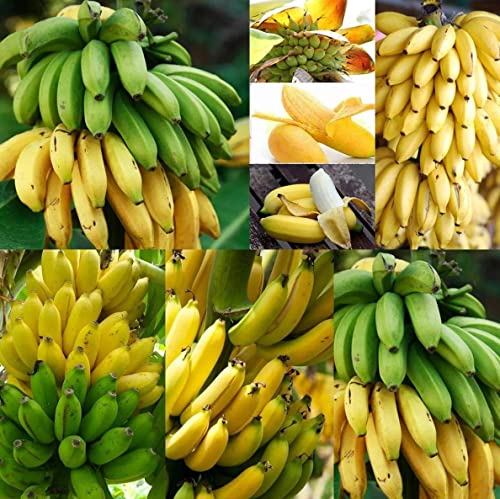
High-quality banana seeds selected for planting and growing healthy tropical banana plants.
Life Cycle Of A Banana Tree
The life cycle of a banana tree involves several distinct stages, influencing how and when the tree bears fruit. Understanding these stages helps you provide the right care for optimal growth.
Recommended Products


PREMIUM WATER SOLUBLE FERTILIZER: Wellspring Gardens Banana Fuel Fertilizer provides a water-soluble and high-quality nutrient blend with minor elements to promote optimal growth for your banana plants. Its premium 15-5-30 blend ensures that your banana plants are healthy and happy.

Growth Stages
- Seed Germination: In some cases, banana trees can grow from seeds, though most are cultivated from suckers. Seeds germinate in warm, moist conditions, typically taking several weeks to sprout.
- Sucker Development: Suckers, or offshoots, emerge from the base of the mother plant. These suckers can be separated and replanted, allowing new trees to grow. Proper care can lead to multiple suckers developing over time.
- Mature Plant: After about 9 to 12 months of growth, the banana tree reaches maturity, growing up to 30 feet tall. At this stage, the leaves unfurl, providing energy for the plant through photosynthesis.
- Inflorescence Emergence: Once the plant is mature, it produces an inflorescence, commonly referred to as a flower mound. This structure can also reach impressive lengths, appearing from the center of the plant.
- Flowering Stage: The banana plant produces both male and female flowers. The female flowers develop into fruit, while male flowers generally fall off. A single inflorescence can produce between 50 and 150 bananas.
- Fruit Ripening: After pollination, the fruit forms and ripens within 9 to 12 months. During this time, bananas change from green to yellow, signaling that they’re ready for harvest.
Understanding these stages enhances your ability to cultivate healthy banana trees, ensuring a fruitful yield.
Frequency Of Fruit Bearing
Banana trees typically produce fruit once in their lifetime, yielding one large bunch. Understanding the timing and influencing factors can help you maximize your harvest.
Recommended Products

Let our professionally formulated plant food help your fruit tree grow healthy, strong AND abundantly producing

2X MORE VALUE: The 16 oz bottle of Banana Plant Fertilizer makes 16 gallons of banana fertilizer for fruit trees, while the bigger size 32 oz bottle makes 32 gallons for lasting care of your banana trees.

PREMIUM FUEL LIQUID FERTILIZER: Wellspring Gardens Banana Fuel Liquid Fertilizer Concentrate provides a quality nutrient blend with minor elements that could grow your plants. Its 3-1-6 formula ratio is the ideal fertilizer ration according to University of Florida which is what our product is made of.
Seasonal Yield
Bananas don’t have a specific season; rather, their fruiting depends largely on climate and care. In optimal conditions, the fruit matures about 9 to 12 months after planting. If you plant a banana tree in warm, tropical climates, you could see consistent harvests throughout the year.
Factors Influencing Production
Several key factors affect how often and successfully a banana tree bears fruit:
- Variety: Different varieties, like Cavendish and plantains, have distinct growth rates and fruiting timelines.
- Climatic Conditions: Warm temperatures with consistent rainfall or irrigation support healthy fruit production.
- Soil Quality: Well-drained, nutrient-rich soil promotes robust growth and higher yields.
- Care Practices: Regular watering, fertilization, and protection from pests and diseases enhance fruit-bearing potential.
- Spacing: Proper spacing prevents overcrowding, allowing each plant to receive adequate sunlight and airflow.
By addressing these factors, you can improve your tree’s chances of producing abundant fruit.
Comparison With Other Fruit Trees
Banana trees differ significantly from many other fruit trees in their fruiting patterns and lifecycle. Understanding these differences helps you appreciate the unique qualities of banana cultivation.
Fruit Production Frequency
- Banana Trees: Bear fruit once in their lifetime, typically yielding one large bunch after about 9 to 12 months.
- Apple Trees: Produce fruit annually, with varied harvest times depending on the variety.
- Cherry Trees: Generally bear fruit each year but may skip a year to conserve energy.
Lifecycle Duration
- Banana Trees: After fruiting, the mother plant dies but sends up suckers for future growth.
- Peach Trees: Can live for 12 to 20 years, bearing fruit each year, though production may decline over time.
- Citrus Trees: Live longer than most and produce fruit for decades, maintaining yield with proper care.
Climate Adaptation
- Banana Trees: Thrive in tropical and subtropical climates, requiring consistent warmth and humidity.
- Pineapple Plants: Also prefer warm climates but can tolerate some drought.
- Fig Trees: Adapt well to Mediterranean climates, preferring well-drained soil and some seasonal cold.
Soil Requirements
- Banana Trees: Require well-drained, nutrient-rich soil to flourish and produce fruit.
- Grape Vines: Favor sandy loam soils with good drainage.
- Olive Trees: Prefer rocky or poor soils but need excellent drainage for root health.
- Banana Trees: Need regular watering and sunlight, with careful spacing to improve airflow and reduce disease risks.
- Tomato Plants: Require daily watering and full sunlight for optimum growth and fruit production.
- Berry Bushes: Benefit from mulching for moisture retention and weed control.
These comparisons highlight the unique aspects of banana trees in fruit production. While each fruit tree type has its challenges and rewards, knowing what to expect can significantly enhance your gardening success.
Conclusion
Growing a banana tree can be a rewarding experience. You’ll enjoy the unique process of watching it thrive and eventually produce those delicious bunches of bananas. Remember that while these trees bear fruit just once in their lifetime, the journey doesn’t end there. The suckers that emerge can lead to new plants and continued harvests.
By providing the right care and conditions, you can make the most of your banana tree and enjoy fresh fruit right from your garden. So whether you’re a seasoned gardener or just starting out, embracing the quirks of banana cultivation can bring joy and satisfaction to your gardening adventures. Happy planting!
Frequently Asked Questions
What are banana trees and where do they grow?
Banana trees belong to the Musa genus and thrive in tropical and subtropical climates. They can grow up to 30 feet tall and are known for their large clusters of bananas, making them popular among fruit growers.
How do banana trees produce fruit?
Banana trees generally produce fruit once in their lifetime. After flowering, the mother plant gives rise to one large bunch of bananas, which can contain between 50 to 150 fruits.
How long does it take for banana fruit to ripen?
Banana fruit typically ripens about 9 to 12 months after planting. The fruit changes from green to yellow, indicating it’s ready for harvest.
Do banana trees bear fruit every year?
Unlike many fruit trees, banana trees only bear fruit once throughout their lifetime. After they produce fruit, the mother plant dies, but it often sprouts suckers for continued growth.
What conditions do banana trees need to thrive?
Banana trees require well-drained, nutrient-rich soil, regular watering, and plenty of sunlight. Proper spacing enhances airflow and reduces the risk of diseases.
How do I care for banana trees?
To care for banana trees, ensure they receive adequate water, nutrients, and sunlight. Regularly check soil drainage and maintain spacing to promote healthy growth and fruit production.
What are the main types of bananas?
The main types of bananas are dessert bananas, like Cavendish, which are sweet and eaten raw, and cooking bananas, such as plantains, which are starchy and typically require cooking.
How do banana trees differ from other fruit trees?
Banana trees differ from fruit trees like apples and cherries because they only produce fruit once in their lifetime. Other fruit trees can live for many years and bear fruit annually.
