

Have you ever wondered how often a banana tree produces fruit? If you’ve got a green thumb or just love bananas, understanding this can help you plan your garden or enjoy fresh fruit year-round.
Key Takeaways
- Banana Tree Fruiting Frequency: Most banana trees bear fruit 2 to 3 times a year, with the first harvest occurring 9 to 12 months post-planting.
- Growth Cycle: The growth cycle includes a vegetative stage lasting 9-12 months, followed by flowering and fruit development, typically taking an additional 3-6 months.
- Key Factors for Production: Climate, soil quality, watering, fertilization, and pruning significantly influence the yield and frequency of banana production.
- Varietal Differences: Different banana varieties (Cavendish, Plantains, Red Bananas) have varied production rates, impacting both the quantity and timing of fruit yields.
- Optimal Growing Conditions: Maintaining nutrient-rich, well-draining soil and providing consistent watering and care can enhance banana yield throughout the year.
- Regional Impact on Yields: Fruit production varies by region, with tropical climates supporting higher yields compared to cooler or drier areas.
Understanding Banana Trees
Banana trees are remarkable plants known for their lush foliage and abundant fruit production. You’ll find that their growth and fruiting patterns are fascinating and can enhance your gardening knowledge.
Types of Banana Trees
Three primary types of banana trees exist:
- Dessert Bananas: These are the most common type, like Cavendish. They’re sweet and eaten raw.
- Plantain Bananas: These bananas are starchier and cooked before eating. They’re essential in many tropical cuisines.
- Ornamental Bananas: Grown for landscaping, these non-fruiting varieties, like the Dwarf Red Banana, add aesthetic value.
Understanding these types helps you determine which banana tree suits your garden or culinary needs best.
Growth Cycle of Banana Trees
Banana trees follow a specific growth cycle:
- Planting: Start with healthy banana suckers or pups, usually planted in warm soil.
- Vegetative Stage: This phase lasts 9-12 months. During this time, the tree grows tall and develops leaves.
- Flowering Stage: After the vegetative stage, the plant flowers. This typically occurs 10-15 months after planting.
- Fruit Development: Fruiting happens approximately 3-6 months after flowering. A single tree produces a bunch of bananas, averaging 50-150 individual fruits.
- Harvesting: Once bananas reach maturity, they can be harvested. The tree generally bears fruit once a year but can yield again after the first harvest by growing new pups.
Recognizing this cycle allows you to plan for continuous banana production in your garden.
Fruit Production in Banana Trees
Banana trees produce fruit multiple times a year, depending on several factors. Understanding these factors helps you maximize your banana yield.
Recommended Products

2X MORE VALUE: The 16 oz bottle of Banana Plant Fertilizer makes 16 gallons of banana fertilizer for fruit trees, while the bigger size 32 oz bottle makes 32 gallons for lasting care of your banana trees.

Produce abundant and vibrant fruit and blooms! This product works by strengthening your plant's roots to increase nutrient uptake… enabling it to bloom and produce like you've never seen!
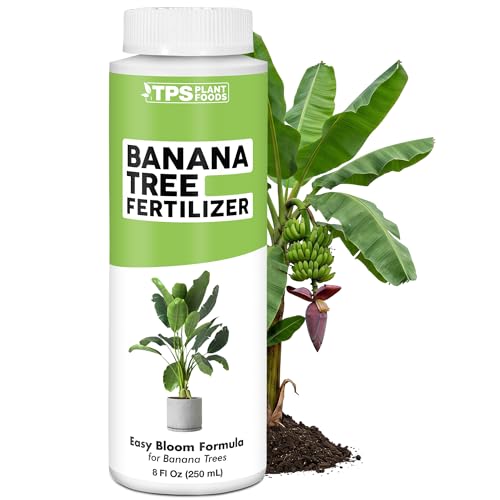
Made for Banana Trees – Specially formulated banana fertilizer designed to support the nutrient needs of banana plants.
Factors Affecting Fruit Yield
- Climate: Banana trees thrive in tropical climates. Warm temperatures and high humidity enhance growth and fruit production. Temperatures below 50°F can stunt growth.
- Soil Quality: Well-draining, nutrient-rich soil boosts fruit yield. Regularly test soil pH; it should range from 5.5 to 7.0 for optimal growth.
- Watering: Consistent watering is crucial. Banana trees need about 2 inches of water weekly. Overwatering can lead to root rot.
- Fertilization: Regular fertilization contributes to fruit production. Use a balanced fertilizer every 6-8 weeks. Focus on potassium and nitrogen to support growth.
- Pruning: Remove dead leaves and suckers. This action redirects energy to fruit development, increasing overall yield.
- Variety: The type of banana plant impacts fruit output. Different varieties have varying lifespans and production rates.
- Cavendish: The most commonly grown variety worldwide. Cavendish trees can produce fruit about 10 to 15 months after planting, yielding up to 150-200 bananas per cycle.
- Red Bananas: These trees typically yield less, producing around 60-100 bananas per bunch. They take about 12 to 14 months to produce fruit.
- Plantains: Known for their starchy characteristics. Plantain trees yield large bunches, often producing 100-250 bananas per cycle. They typically fruit within 10 to 15 months.
- Dwarf Brazilian: Smaller and well-suited for limited space. They can yield up to 50-120 bananas per cycle, maturing in about 9 to 12 months.
By considering these factors and choosing the right variety, you can enjoy a steady supply of bananas throughout the year.
Frequency of Fruit Bearing
Banana trees can produce fruit multiple times a year, offering an ongoing supply of delicious bananas. The actual frequency depends on several factors, including tree variety and growth conditions.
How Many Times Banana Tree Gives Fruit in a Year
Typically, banana trees fruit 2 to 3 times annually. After planting, a banana tree takes 9 to 12 months to produce its first fruit. Once the initial harvest occurs, it can yield fruit every 6 to 8 months. For example, a Cavendish banana tree might bear fruit around 2 to 3 times a year, each cycle yielding around 150-200 bananas. Other varieties, like Plantains, can produce 100-250 bananas per cycle, demonstrating the diversity in banana tree productivity.
Regional Variations in Fruit Production
Fruit production frequency varies by region. Tropical climates support robust growth, allowing multiple harvests throughout the year. In regions with cooler or drier conditions, production may slow. For instance, banana trees in Florida or Hawaii typically thrive, producing fruit more frequently than those grown in temperate zones. Factors such as local climate, soil type, and available sunlight directly influence fruit yield. You can enhance production by ensuring optimal growing conditions to support healthier trees and boost harvest frequency.
Cultivation Practices for Maximum Yield
Adopting effective cultivation practices ensures banana trees produce fruit consistently throughout the year. Several key strategies can enhance yields.
Recommended Products
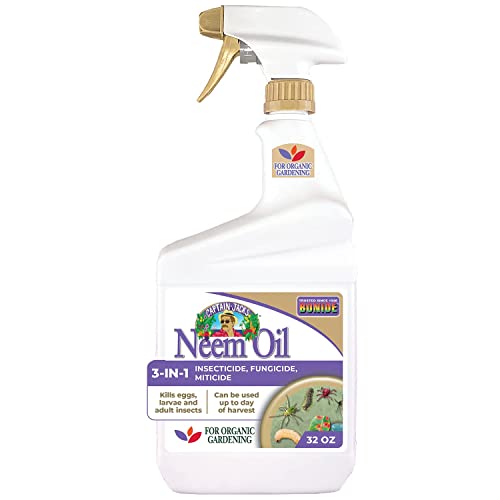
MULTI-PURPOSE BUG KILLER - Bonide Neem Oil is a perfect pest control solution for any garden dealing with mites, flies, mildew, and more. This product is a three-in-one fungicide, miticide, and insecticide.

An Organic Neem Oil Spray for Plants with a Powerful Essential Oil Blend (cedarwood, lemon, clove, cinnamon, eucalyptus, and rosemary) for healthier plants every time you spray. Big Leaf Energy is a multi-purpose spray for healthier, more resilient leaves and soils—and it smells amazing.

PLANT DISEASE CONTROL: Natria Neem Oil acts as an insecticide and fungicide in one convenient spray; Ready-to-use trigger sprayer requires no mixing
Importance of Soil and Nutrients
Healthy soil plays a vital role in banana production. Opt for well-draining, nutrient-rich soil. Soils with a pH of 5.5 to 7.0 provide optimal conditions.
Provide potassium and nitrogen through fertilizers. Use balanced fertilizers every 2 to 3 months during the growing season. Organic matter, such as compost or well-rotted manure, improves soil structure and fertility.
Consider using cover crops to enhance soil nutrients. Leguminous plants, like clover, fix nitrogen, boosting soil health.
Watering and Maintenance Tips
Consistent watering can significantly impact banana yield. Aim for moist soil, but avoid waterlogging. Water deeply once or twice a week, increasing frequency during dry spells.
Maintain foliage for better growth. Remove dead leaves and plants to reduce pests and diseases. Prune suckers, leaving the strongest ones to ensure energy goes to fruit production.
Monitor for pests and diseases regularly. Use organic insecticides or neem oil as needed. This approach helps maintain healthy trees and enhances fruit quality.
Conclusion
Growing banana trees can be a rewarding experience for any gardener. By understanding their fruit production cycle and the factors that influence it, you can set yourself up for success. With the right conditions and care, you can enjoy fresh bananas multiple times a year.
Remember to choose the right variety for your space and climate. Keep your trees healthy with proper watering and fertilization. With a little patience and attention, you’ll have a thriving banana garden that brings delicious fruit to your table. Happy gardening and enjoy those homegrown bananas!
Frequently Asked Questions
How often do banana trees produce fruit?
Banana trees typically produce fruit 2 to 3 times each year. After planting, it takes about 9 to 12 months for the first fruit to appear, with subsequent harvests occurring every 6 to 8 months, depending on the growing conditions.
What are the primary types of banana trees?
The three main types of banana trees are Dessert Bananas, which are sweet and eaten raw; Plantain Bananas, starchier and typically cooked; and Ornamental Bananas, grown mainly for landscaping purposes.
What factors affect banana fruit production?
Key factors influencing banana fruit production include climate, soil quality, proper watering, fertilization, pruning, and the specific banana variety. Tropical climates with warm temperatures and high humidity tend to yield better results.
How can I improve the yield of my banana trees?
To enhance banana yield, ensure well-draining, nutrient-rich soil with a pH of 5.5 to 7.0, use balanced fertilizers every 2 to 3 months, keep soil moist without waterlogging, and regularly monitor for pests and diseases.
What is the growth cycle of a banana tree?
The growth cycle of a banana tree consists of three stages: the vegetative stage, where foliage develops; the flowering stage, where blooms appear; and the fruit development stage, where fruit matures before harvest.
How many bananas does each variety produce?
Different banana varieties yield varying amounts: Cavendish produces 150-200 bananas per cycle, Red Bananas yield 60-100, Plantains can produce 100-250, and Dwarf Brazilian yields 50-120 bananas, suitable for small spaces.
