

Have you noticed a sticky residue on your fruit trees or tiny bumps on the leaves? If so, you might be dealing with scale insects. These pests can wreak havoc on your trees, affecting their health and fruit production. But don’t worry; you’re not alone in this struggle.
Key Takeaways
- Recognize Scale Types: Understand the different types of scale insects (soft, hard, spidery, and black scale) to identify and address infestations effectively.
- Identify Symptoms: Look for common signs like sticky residue, yellowing leaves, tiny bumps, deformed growth, and sooty mold to monitor tree health.
- Implement Prevention: Choose resistant fruit tree varieties, maintain proper tree care through regular pruning, adequate watering, and healthy soil to minimize the risk of scale infestations.
- Utilize Treatment Options: Apply natural remedies like insecticidal soap and neem oil, or consider chemical treatments such as horticultural oil and broad-spectrum insecticides, based on severity.
- Practice Effective Application: Timing treatments for early spring and following safety precautions during application are crucial for managing scale insects effectively.
- Monitor Regularly: Conduct regular inspections and adopt long-term care strategies to enhance soil health, promote beneficial insects, and ensure the resilience of your fruit trees against pests.
Understanding Scale Insects
Scale insects pose significant threats to fruit trees, affecting their growth and fruit yield. Recognizing the types and symptoms of these pests helps you take effective action against them.
Types of Scale Insects
- Soft Scale: Soft scale insects are usually larger and covered in a waxy coating. They secrete honeydew, leading to sooty mold. Common soft scales include the cottony cushion scale and the California red scale.
- Hard Scale: Hard scale insects have a protective shell that makes them tougher to kill. They often remain stationary on plant surfaces. Examples include the yellow scale and the oyster shell scale.
- Spidery Scale: Spidery scales resemble small, wrinkled circles. These pests can cause significant damage as they feed off tree sap, weakening the plant.
- Black Scale: Black scale, characterized by its dark color, is another common threat. This scale feeds on the plant’s vital fluids, leading to stunted growth.
- Sticky Residue: You may notice a sticky film on leaves and surfaces, a result of the honeydew secreted by soft scales. This residue can attract ants and other pests.
- Yellowing Leaves: Look for yellowing or wilting leaves. Scales deprive trees of nutrients and water, causing stress that leads to discoloration.
- Tiny Bumps: Watch for small, round bumps on stems and leaves. These bumps signify the presence of scale insects and their feeding activity.
- Deformed Growth: Observe for irregular growth patterns or stunted branches. Scale infestations disrupt normal growth, leading to abnormal development.
- Sooty Mold: Identify any black, sooty mold on leaves and fruit. This mold arises from the honeydew and can hinder photosynthesis, affecting tree health.
By understanding the types of scale insects and recognizing their symptoms, you can effectively monitor and manage their presence on your fruit trees.
Prevention Methods
Preventing scale insects on fruit trees involves proactive strategies that enhance tree health and reduce pest attraction. Implementing these methods helps maintain your trees for optimal growth and fruit production.
Recommended Products
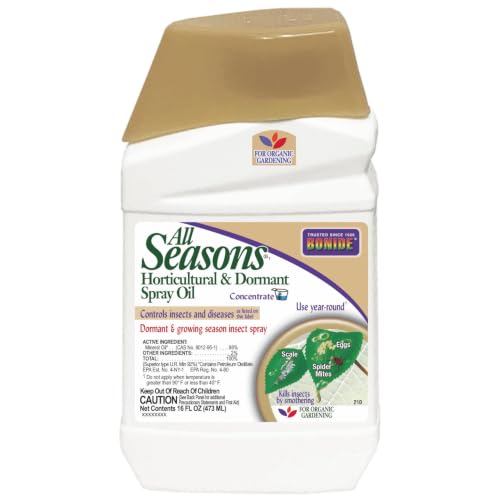
Control insects & diseases in your home garden with All Seasons Horticultural & Dormant Spray Oil Concentrate; use year-round to control listed insects and diseases

You Will Receive: 15 Pcs 3.94in fruit tree branch puller suitible for 0.4in branch, 5 tree limb spreaders about 10 inches long, and a protable carrying Bag.

Fruit Tree Limb Spreaders: you will receive 50 7 inches branch pullers; The quantity is sufficient; You can choose to combine them as needed to provide adequate support for the branches of your fruit trees and help your trees grow
Choosing Resistant Varieties
Selecting resistant fruit tree varieties forms the first line of defense against scale insects. Look for types that are known for their durability against pests. Common examples include:
- Apple Trees: Varieties like ‘Liberty’ and ‘Enterprise’ resist many insects.
- Peach Trees: Favor varieties such as ‘Redhaven,’ which tend to deter scale infestations.
- Plum Trees: Options like ‘Methley’ show resistance to various pests.
Incorporating these resistant varieties into your orchard reduces the likelihood of infestations and contributes to healthier fruit trees.
Proper Tree Maintenance
Maintaining your trees correctly significantly decreases the chances of scale infestations. Focus on these essential practices:
- Regular Pruning: Remove dead or infested branches to improve airflow and sunlight penetration. This practice helps keep trees healthy and less appealing to pests.
- Adequate Watering: Ensure your trees receive sufficient water. Underwatered trees become stressed, making them more susceptible to infestations.
- Healthy Soil: Test soil quality and amend it as needed. Fertile soil promotes strong tree growth, which can better withstand pest attacks.
- Mulching: Apply organic mulch around the base of your trees. Mulch retains moisture and suppresses weeds that may harbor pests.
Developing these maintenance habits fortifies your fruit trees against scale insects and fosters a thriving environment.
Treatment Options
Managing scale on fruit trees involves a mix of natural remedies and chemical solutions. You can choose the approach that best suits your gardening style and the severity of the infestation.
Natural Remedies
- Insecticidal Soap: Spray a solution of insecticidal soap directly on scale insects. This solution suffocates them and disrupts their feeding.
- Neem Oil: Apply diluted neem oil as a foliar spray. Neem oil disrupts the life cycle of scale insects and deters their feeding.
- Water Spray: Use a strong water spray to dislodge scale insects from tree surfaces. Focus on infested areas to remove as many as possible.
- Vinegar Solution: Mix one part vinegar with three parts water. Spray this mixture on affected areas. The acidity helps kill soft-bodied scale insects.
- Beneficial Insects: Introduce ladybugs and lacewings, which prey on scale. Having these natural predators around can help control scale populations.
- Horticultural Oil: Apply horticultural oil during dormant seasons. This oil suffocates scale insects and prevents them from re-emerging in spring.
- Systemic Insecticides: Use systemic insecticides if infestations are severe. These are absorbed by the plant, targeting scale insects that feed on the plant’s sap.
- Pyrethrin: Treat with a pyrethrin-based insecticide for quick knockdown of adult scale insects. Follow application instructions carefully.
- Broad-spectrum Insecticides: Consider broad-spectrum insecticides for significant infestations. These products target multiple pests but may affect beneficial insects too.
- Avoiding Combinations: Don’t mix different chemical treatments without researching compatibility. Some mixtures can harm the tree and the surrounding ecosystem.
Implement these treatment options based on your specific situation to effectively manage scale insects on your fruit trees.
Effective Application Techniques
Applying effective techniques against scale insects on your fruit trees enhances their health and productivity. Timing and method play crucial roles in controlling infestations.
Recommended Products

INSECT KILLER - This pest control is great for use on aphids, leaf miners, thrips, leafhoppers, spider mites, scales, whiteflies, mealy bugs and many more. It gives poor control for caterpillar & worms. However, it does control eggs of all insects.
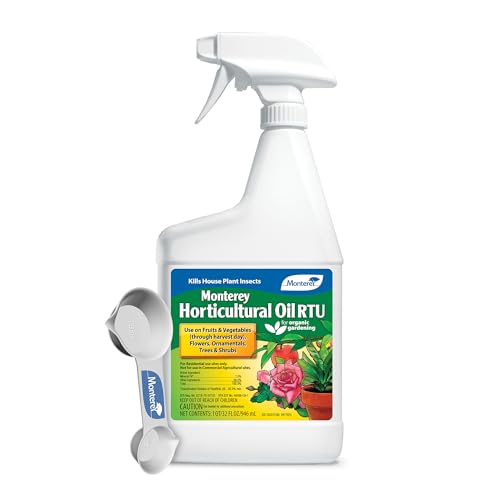
NSECT KILLER - This pest control is great for use on aphids, leaf miners, thrips, leafhoppers, spider mites, scales, whiteflies, mealy bugs and many more. It gives poor control for caterpillar & worms. However, it does control eggs of all insects.

NSECT KILLER - This pest control is great for use on aphids, leaf miners, thrips, leafhoppers, spider mites, scales, whiteflies, mealy bugs and many more. It gives poor control for caterpillar & worms. However, it does control eggs of all insects.
Timing and Frequency
Choose the right time to apply treatments for maximum effectiveness. Early spring, before the insects emerge from dormancy, is ideal for preventative measures. If you notice an infestation, treat trees immediately. Reapply treatments every 7 to 14 days, depending on the product you use. For instance, insecticidal soap may need more frequent applications than horticultural oil, which lasts longer on the tree surface. Monitor your trees weekly for signs of improvement or reinfestation, adjusting your treatments as necessary.
Safety Precautions
Prioritize safety when applying insect treatments. Always read and follow the label instructions on products. Wear gloves, masks, and goggles to protect your skin and eyes. Ensure good ventilation if you’re using sprays indoors. Avoid applying treatments during windy conditions to prevent drift to unintended plants. Keep pets and children away from treated areas until the product dries. After applying any treatment, wash your hands thoroughly to avoid transferring chemicals. These precautions help safeguard your health while effectively managing scale insects.
Monitoring and Maintenance
Monitoring and maintaining your fruit trees is essential for preventing and controlling scale insect infestations. Regular care ensures a healthy environment and enhances your trees’ resistance to pests.
Regular Inspections
Regular inspections of your fruit trees help identify scale insects early. Check for sticky honeydew, tiny bumps on leaves and stems, and any signs of sooty mold. Inspect both the tops and undersides of leaves for scale presence. Aim for inspections every 1-2 weeks, especially during the growing season. Consider marking your calendar to remind you. Early detection allows for quicker treatment options.
Long-Term Care Strategies
Adopting long-term care strategies promotes overall fruit tree health and reduces scale insect attraction. Implement the following:
- Soil Health: Test and amend soil as needed to ensure nutritional balance. Healthy soil leads to strong trees.
- Pruning Practices: Engage in proper pruning to increase airflow and sunlight. This practice discourages moisture accumulation, a breeding ground for pests.
- Water Management: Water trees at the root level. Deep, infrequent watering fosters robust root systems.
- Mulching: Use organic mulch to improve soil moisture and prevent weeds. Maintain a mulch layer around 2-3 inches thick.
- Beneficial Insects: Encourage natural predators like ladybugs and lacewings, which help control scale populations.
By consistently monitoring and employing long-term care practices, you fortify your fruit trees against scale insects, ensuring vibrant and fruitful growth.
Conclusion
Taking care of scale insects on your fruit trees might seem daunting but you’ve got the tools to tackle it. By staying vigilant and monitoring your trees regularly you can catch infestations early and keep them in check. Remember that prevention is key so invest time in maintaining healthy trees and choosing resistant varieties.
When it comes to treatment don’t hesitate to try natural remedies first before moving on to chemical solutions. Your trees will thank you for the extra care and attention. With the right approach you can enjoy healthy vibrant fruit trees that produce bountiful harvests season after season. Happy gardening!
Frequently Asked Questions
What are scale insects on fruit trees?
Scale insects are small pests that attach themselves to fruit trees and suck the sap, leading to unhealthy trees and reduced fruit production. They can be recognized by tiny bumps on leaves and stems and a sticky residue they leave behind.
How can I identify scale insect infestations?
Signs of scale infestation include sticky honeydew on leaves, yellowing leaves, tiny bumps on stems and leaves, deformed growth, and black sooty mold. Regular monitoring can help catch an infestation early.
What types of scale insects affect fruit trees?
Common types of scale insects include soft scale, hard scale, spidery scale, and black scale. Each type poses specific threats to fruit trees and may require different management strategies.
How can I prevent scale insects on my fruit trees?
Prevent scale infestations by selecting resistant fruit tree varieties, maintaining healthy soil, ensuring proper watering, regular pruning, and applying organic mulch to enhance tree health and deter pests.
What natural remedies can I use to treat scale insects?
Natural remedies include insecticidal soap, neem oil, strong water sprays, vinegar solutions, and introducing beneficial insects like ladybugs and lacewings to help control scale populations effectively.
When is the best time to treat scale infestations?
Treat scale infestations immediately upon detection. For preventative measures, apply treatments in early spring before insects emerge, and reapply every 7 to 14 days as needed for effective control.
Are chemical treatments safe for managing scale insects?
Chemical treatments, like horticultural oil and systemic insecticides, can be effective for severe infestations. However, it’s essential to read product labels, follow safety precautions, and keep pets and children away from treated areas until dry.
How often should I monitor my fruit trees for scale insects?
Regular inspections every 1-2 weeks during the growing season are recommended. This allows for early detection of scale insects, helping to manage infestations effectively and maintain tree health.
