

Have you ever wondered why some fruit trees thrive while others seem to struggle? Pruning might be the key. If you’ve got a fruit tree that’s not producing as much as you’d like or is getting a bit unruly, understanding how often to prune can make all the difference.
Regular pruning not only helps your trees grow better but also boosts their fruit production. This article will guide you through the best practices and timing for pruning your fruit trees, ensuring they stay healthy and productive. By the end, you’ll feel confident in your ability to care for your trees and enjoy a bountiful harvest.
Key Takeaways
- Regular Pruning is Essential: Pruning fruit trees enhances overall health and promotes higher fruit production by removing dead or diseased branches and improving airflow.
- Understand Pruning Techniques: Key techniques include thinning, heading back, renewal pruning, and crown restoration; each serves to boost growth and fruit output.
- Pruning Frequency Depends on Factors: The type of tree, its age, and local climate influence how often pruning should occur, with young trees requiring more frequent attention.
- Adhere to Recommended Schedules: Optimal pruning times include spring for shaping, summer for managing growth, and fall/winter for structural adjustments.
- Identify Signs for Pruning: Overgrown branches and poor fruit production are clear indicators that a tree needs pruning to enhance light exposure and redirect energy for better yields.
Understanding Fruit Tree Pruning
Pruning fruit trees requires knowledge of its benefits and techniques. Accurate pruning enhances tree health and maximizes fruit quality.
Benefits of Pruning
- Promotes Healthy Growth: Pruning removes dead or diseased branches, improving airflow and sunlight penetration.
- Increases Fruit Production: Focused pruning leads to higher yields by encouraging the growth of productive branches.
- Shapes the Tree: Pruning helps maintain the tree’s structure, allowing you to manage its size and shape effectively.
- Prevents Overcrowding: Strategic removal of branches prevents overcrowding, reducing competition for nutrients and water.
- Thinning: Remove select branches to enhance airflow and sunlight exposure. Focus on removing branches crossing each other.
- Heading Back: Cut back a portion of each branch to stimulate new growth. This fosters bushier trees and increased fruit-bearing wood.
- Renewal Pruning: For older trees, remove older branches to encourage new growth. This revitalizes the tree and enhances overall productivity.
- Crown Restoration: For damaged trees, selectively prune to restore a strong central leader and open up the crown for light.
Adapting these techniques to your specific tree type and age ensures effective management and fruitful results.
Factors Influencing Pruning Frequency
Several factors determine how often you should prune fruit trees. Understanding these factors helps maintain tree health and optimize fruit production.
Recommended Products

CLEAN CUTS FOR LIVE GROWTH: Bypass blade design is ideal for pruning delicate flower stems and green growth, helping reduce crushing and plant damage while cutting stems and small branches up to 5/8” in diameter

· ULTRA-SHARP SK5 STAINLESS STEEL - Engineered with premium SK5 stainless steel, these heavy duty pruning shears deliver razor-sharp precision and maximum hardness. The rust-resistant blades are designed to stay sharp longer, effortlessly resisting corrosion and sap buildup for smooth, friction-free garden shears performance year after year.

LONG-LASTING SHARPNESS: Japanese SK5 bypass blade with titanium coating is tested through 5,000 cuts to maintain a sharp edge and deliver clean, consistent cuts on live stems and branches
Type of Fruit Tree
Different fruit trees require varied pruning schedules. For instance, apple and pear trees benefit from annual pruning to maximize yield and maintain shape. Stone fruit trees like cherries and peaches may need more frequent pruning, especially in their younger years, to encourage strong branch development. Know the specific needs of your tree type to tailor your pruning frequency effectively.
Age of the Tree
The age of your tree plays a crucial role in pruning frequency. Young trees often need annual pruning to establish a strong structure. As trees mature, their pruning needs decrease. Mature trees typically require pruning every 2-3 years, focusing on removing dead or diseased branches. Older trees might need additional pruning to rejuvenate growth and improve fruiting potential.
Local Climate Conditions
Local climate conditions significantly impact pruning schedules. In warmer climates, trees may need more frequent pruning due to faster growth rates, while trees in colder areas might require less frequent pruning. Additionally, heavy rainfall can necessitate more upkeep to manage disease and promote airflow. Always consider your climate when determining the best pruning frequency for your trees.
Recommended Pruning Schedules
Pruning schedules vary based on the type of fruit tree, its age, and your local climate. Following the right timeline ensures your trees stay healthy and productive.
Recommended Products

Reduce Hand Strain: These micro tip snips are made to reduces hand fatigue which makes them great for those with arthritis, carpal tunnel, hand or wrist issues; Comfortable “grip” handles will make it easy to work for long-time use without making you feel hand pain

DUAL CUTTING POWER: VERSATILE PRUNING COMBO --- With both Pruning Shears and Pruning Snip, this combo delivers unmatched versatility. Whether you're delicately trimming flowers and shrubs, tackling thicker tree branches, or tending to your vegetable and fruit garden, our combo pack excels in all areas. They're also perfect for landscaping projects and maintaining the health and appearance of indoor plants. With this pack, you have a versatile tool that simplifies your gardening tasks.
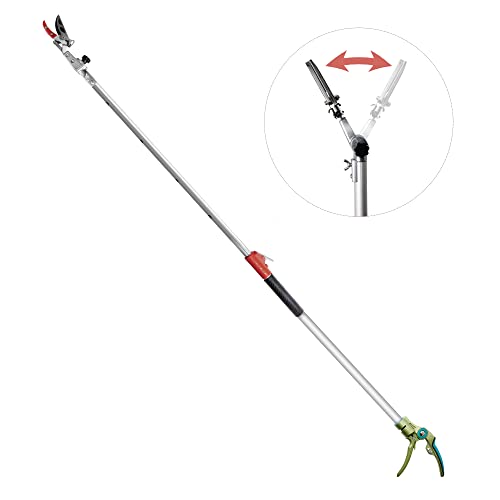
[Helpful Garden Tool] GARTOL brings to you a lightweight and extendable pruning tool to reach out to the least approachable arenas of your garden. You can conveniently get across other plants to remove the fastgrowing brambles and sting nettles without getting scratched or hurt. For gardening lovers, the telescopic pruner cutter head can can be rotated which resolves mobility issues and gives you the pleasure of trimming your garden without bending down or using a ladder to climb and cut them.
Spring Pruning
Spring pruning occurs just before new growth starts, typically in late March or early April. This time frame allows you to:
- Remove dead or damaged branches that could hinder growth.
- Thin out overcrowded areas to enhance sunlight exposure.
- Shape the tree for optimal growth patterns.
For apple and pear trees, aim for annual spring pruning. It keeps them healthy and encourages fruitful yields.
Summer Pruning
Summer pruning takes place from June to August. This method focuses on managing growth and redirecting energy. You can:
- Cut back excessive growth to maintain shape and size.
- Remove suckers and water sprouts to improve airflow and light penetration.
Engaging in summer pruning helps stone fruit trees, like cherries and peaches, by reducing their risk of disease and encouraging better fruit size.
Fall and Winter Pruning
Fall and winter pruning happens after the leaves drop, ideally between late November and February. These periods allow for:
- Major structural changes without influencing spring growth.
- Better visibility of the tree’s shape, aiding in effective cutting.
Fall is suitable for older trees, while light winter pruning can help remove any lingering dead or diseased wood. Always avoid heavy cuts in extremely cold weather, as it may stress the trees.
Stay attentive to your fruit trees’ needs, and adapt these schedules based on the specific varieties you cultivate.
Signs Your Fruit Tree Needs Pruning
Pruning your fruit tree enhances its health and productivity. Look for these signs indicating that it’s time to prune.
Recommended Products

Sharp & Rustproof: Our garden scissors are made of premium stainless steel material, which has corrosion resistance and good hardness. Sharp blades can quickly finish pruning tasks for gardens, vegetable gardens, orchards, and indoor plants
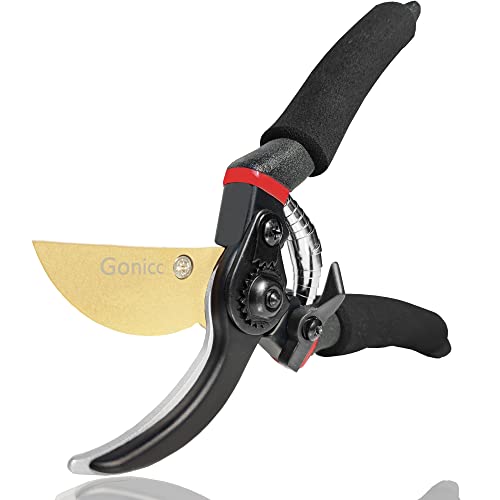
Drop-forged construction delivers exceptional durability and sturdiness for long-term heavy garden use.

Pruning Trees Shrubs and Vines No 54 By Gardenway Editors
Overgrown Branches
Overgrown branches often block sunlight and restrict airflow. Examine the canopy of your tree. If branches overlap or congest the interior, they need thinning. Remove some of the excess growth to promote better light penetration. Aim for a balanced shape as you prune, giving enough space for remaining branches to flourish.
Poor Fruit Production
If your fruit tree produces fewer fruits or smaller fruits, that’s a clear indicator it needs attention. Assess the tree’s overall health and check for signs of weak or diseased branches. Prune away these areas to redirect the tree’s energy towards fruit development. By focusing on healthy branches, you encourage more fruitful growth in the following seasons.
Conclusion
Pruning your fruit trees is a vital part of keeping them healthy and productive. By understanding the specific needs of your trees and following a tailored pruning schedule, you can ensure they thrive and yield delicious fruit for years to come. Remember to pay attention to the signs that indicate when it’s time to prune, like overgrown branches or lackluster fruit production.
With a little care and attention, you’ll be well on your way to enjoying a bountiful harvest. So grab those pruning shears and give your trees the love they deserve!
Frequently Asked Questions
Why is pruning important for fruit trees?
Pruning is essential as it promotes healthy growth by removing dead or diseased branches. It also increases fruit production by focusing the tree’s energy on healthier parts and helps in shaping the tree for better management while preventing overcrowding.
How often should I prune my fruit trees?
Pruning frequency varies by tree type and age. Generally, apple and pear trees benefit from annual pruning, while younger stone fruit trees might require more frequent attention. Mature trees typically need less frequent pruning.
What are the best times to prune fruit trees?
The best times to prune are spring, just before new growth, summer for managing growth and airflow, and fall or winter after leaf drop for structural changes. Timing helps improve tree health and fruit production.
What techniques are used for pruning fruit trees?
Common pruning techniques include thinning to enhance airflow, heading back to stimulate growth, renewal pruning for older trees, and crown restoration for damaged trees. Each technique serves different purposes based on tree health and productivity.
What signs indicate a fruit tree needs pruning?
Signs that a fruit tree needs pruning include overgrown branches blocking sunlight, restricted airflow, and poor fruit production characterized by smaller or fewer fruits. Thinning and shaping can redirect energy to healthier branches for better yields.
